Craft Beverage Canning Machines
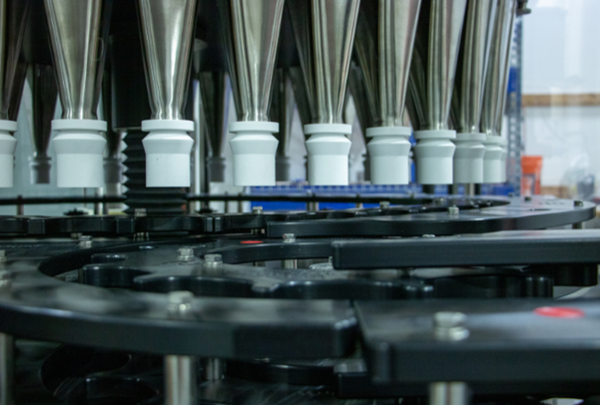
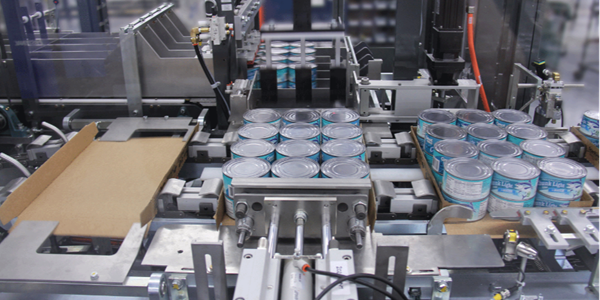
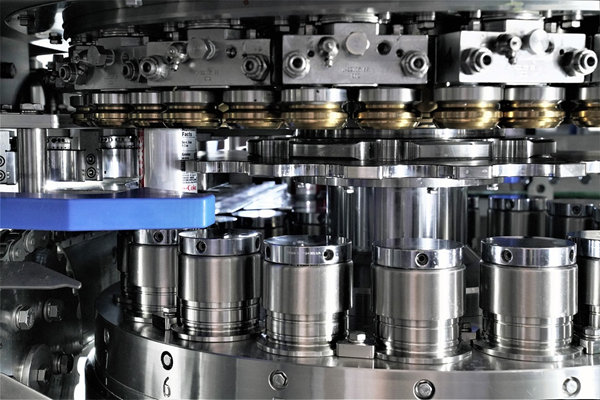
At BW Packaging, we specialize in providing comprehensive canning solutions tailored to the diverse needs of craft beverage products. Our innovative Angelus and Pneumatic Scale filling and closing technologies cater to a wide range of craft beverages including beer, cider, kombucha, ready-to-drink cocktails (RTD), craft spirits and more. Explore our range of craft beverage filling and canning equipment below.


Explore by Equipment
Explore by Market

Related Posts
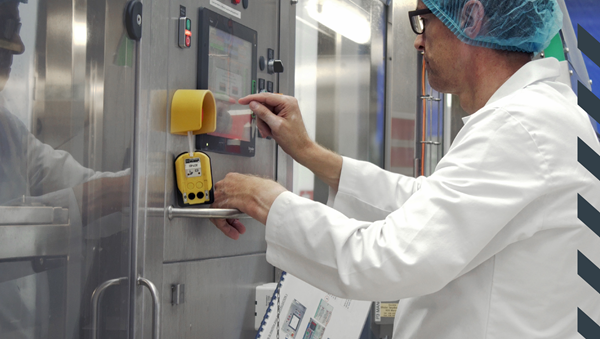 The Top 5 Ways to Extend the Life of Your Machinery
August 20, 2024
<h2><span style="background-color: rgba(0, 0, 0, 0); font-family: inherit; font-size: inherit; text-align: inherit; text-transform: inherit; word-spacing: normal; caret-color: auto; white-space: inherit">OPTIMIZING YOUR AFTERMARKET PACKAGING OPERATIONS: FROM CONCEPT TO EXECUTION </span></h2><p><span style="background-color: rgba(0, 0, 0, 0); color: inherit; font-family: inherit; font-size: inherit; text-align: inherit; text-transform: inherit; word-spacing: normal; caret-color: auto; white-space: inherit">In today's fast-paced CPG market (Consumer Packaging Goods), the efficiency and durability of operations is crucial for maintaining a competitive edge. This article summarizes insights from BW Filling & Closing's (BWFC) expertise across five key areas of the aftermarket business, providing a comprehensive guide to optimizing packaging processes, from product qualification to operational expenditure. </span><br></p><div><span style="background-color: rgba(0, 0, 0, 0); color: inherit; font-family: inherit; font-size: inherit; text-align: inherit; text-transform: inherit; word-spacing: normal; caret-color: auto; white-space: inherit">BWFC experts are sharing and giving solutions to the most common issues faced by manufacturers on their machines. Download the complete guide <a data-sf-ec-immutable="" target="_blank" href="https://synerlink-go.bwpackagingsystems.com/aftermarket-guide#form-to-subscribe"><strong>“How to Care for Your Equipment” </strong></a><strong> </strong></span><br></div><div><p> </p></div><h2>NAVIGATING PACKAGING COMPLEXITY </h2><p><span style="background-color: rgba(0, 0, 0, 0); color: inherit; font-family: inherit; font-size: inherit; text-align: inherit; text-transform: inherit; word-spacing: normal; caret-color: auto; white-space: inherit">The landscape of packaging is constantly evolving, driven by consumer preferences, technological advancements, and sustainability demands. To thrive, companies must ensure their packaging operations are efficient and adaptable to new products and market trends. </span>BWFC<span style="background-color: rgba(0, 0, 0, 0); color: inherit; font-family: inherit; font-size: inherit; text-align: inherit; text-transform: inherit; word-spacing: normal; caret-color: auto; white-space: inherit">'s comprehensive approach addresses these needs through innovative solutions and expert guidance to help extend the life of your equipment. Discover </span>BWFC<span style="background-color: rgba(0, 0, 0, 0); color: inherit; font-family: inherit; font-size: inherit; text-align: inherit; text-transform: inherit; word-spacing: normal; caret-color: auto; white-space: inherit">’s approach and explore the top five ways to care for your packaging equipment: </span></p><p> </p><h2>1. OPTIMIZE OPERATIONAL EXPENDITURES (OPEX) </h2><p><span style="background-color: rgba(0, 0, 0, 0); color: inherit; font-family: inherit; font-size: inherit; text-align: inherit; text-transform: inherit; word-spacing: normal; caret-color: auto; white-space: inherit">Efficient management of operational expenditures is vital for maximizing profitability and ensuring business continuity. Key strategies include optimizing raw materials, minimizing product loss, and implementing preventive maintenance plans. </span>BWFC <span style="background-color: rgba(0, 0, 0, 0); color: inherit; font-family: inherit; font-size: inherit; text-align: inherit; text-transform: inherit; word-spacing: normal; caret-color: auto; white-space: inherit">supports clients with services such as packaging design proposals, machine upgrades, and tailored service contracts. These efforts help reduce OpEx while enhancing equipment efficiency and reliability. </span><br></p><p><span style="background-color: rgba(0, 0, 0, 0); color: inherit; font-family: inherit; font-size: inherit; text-align: inherit; text-transform: inherit; word-spacing: normal; caret-color: auto; white-space: inherit">Read the full guide on <a data-sf-ec-immutable="" target="_blank" href="https://www.synerlink.com/about-us/blog/blog/2024/01/23/packaging-opex-crash-course--a-plant-manager-s-guide-to-optimizing-operational-expenditures"><strong>how to optimize Opex</strong></a></span><span style="background-color: rgba(0, 0, 0, 0); color: inherit; font-family: inherit; font-size: inherit; text-align: inherit; text-transform: inherit; word-spacing: normal; caret-color: auto; white-space: inherit"><strong> </strong></span><br></p><p> </p><h2>2. ENHANCE TECHNICAL EFFICIENCY FOR AFTERMARKET EXCELLENCE </h2><p><span style="background-color: rgba(0, 0, 0, 0); color: inherit; font-family: inherit; font-size: inherit; text-align: inherit; text-transform: inherit; word-spacing: normal; caret-color: auto; white-space: inherit">Technical efficiency is a cornerstone of productive packaging operations. It directly impacts overall equipment effectiveness (OEE) by reducing waste, extending production cycles, and improving safety. </span>BWFC <span style="background-color: rgba(0, 0, 0, 0); color: inherit; font-family: inherit; font-size: inherit; text-align: inherit; text-transform: inherit; word-spacing: normal; caret-color: auto; white-space: inherit">offers tools to help monitor efficiency and optimizing maintenance practices. By focusing on technical efficiency, companies can achieve reliable and cost-effective operations, setting the foundation for aftermarket excellence. </span><br></p><p><span style="background-color: rgba(0, 0, 0, 0); color: inherit; font-family: inherit; font-size: inherit; text-align: inherit; text-transform: inherit; word-spacing: normal; caret-color: auto; white-space: inherit">Learn more about <a data-sf-ec-immutable="" target="_blank" href="https://www.synerlink.com/about-us/blog/blog/2024/02/21/packaging-equipment-technical-efficiency-a-cpg-s-first-step-to-aftermarket-excellence"><strong>how to enhance Technical Efficiency </strong></a></span><br></p><p><span style="background-color: rgba(0, 0, 0, 0); color: inherit; font-family: inherit; font-size: inherit; text-align: inherit; text-transform: inherit; word-spacing: normal; caret-color: auto; white-space: inherit"> </span></p><h2>3. ALIGN AFTERMARKET PROGRAMS WITH MARKETING INITIATIVES </h2><p><span style="background-color: rgba(0, 0, 0, 0); color: inherit; font-family: inherit; font-size: inherit; text-align: inherit; text-transform: inherit; word-spacing: normal; caret-color: auto; white-space: inherit">Marketing-driven goals such as sustainability and premiumization often result in packaging changes. </span>BWFC <span style="background-color: rgba(0, 0, 0, 0); color: inherit; font-family: inherit; font-size: inherit; text-align: inherit; text-transform: inherit; word-spacing: normal; caret-color: auto; white-space: inherit">helps bridge the gap between marketing and production by providing machine adaptation planning and expertise in packaging design. By aligning aftermarket programs with marketing strategies, companies can achieve seamless transitions and maintain production efficiency. For example, customers who are ready to switch to sustainable materials such as PET for their packaging allow </span>BWFC <span style="background-color: rgba(0, 0, 0, 0); color: inherit; font-family: inherit; font-size: inherit; text-align: inherit; text-transform: inherit; word-spacing: normal; caret-color: auto; white-space: inherit">to demonstrate the benefits of this collaborative approach. </span><br></p><p>Read the case study and learn more about <a data-sf-ec-immutable="" target="_blank" href="https://www.synerlink.com/about-us/blog/blog/2024/03/20/aligning-aftermarket-programs-with-marketing"><strong>aligning aftermarket programs with Marketing</strong></a></p><p> </p><h2>4. OPTIMIZE SPARE PARTS WITH A RELIABLE PLAN </h2><p><span style="background-color: rgba(0, 0, 0, 0); color: inherit; font-family: inherit; font-size: inherit; text-align: inherit; text-transform: inherit; word-spacing: normal; caret-color: auto; white-space: inherit">A reliable spare parts plan is essential for minimizing production downtime and maintaining efficiency. </span>BWFC <span style="background-color: rgba(0, 0, 0, 0); color: inherit; font-family: inherit; font-size: inherit; text-align: inherit; text-transform: inherit; word-spacing: normal; caret-color: auto; white-space: inherit">emphasizes the importance of sourcing parts directly from OEMs to ensure compatibility and reliability. Stocking high-demand parts and utilizing customized kits tailored to specific machinery needs can prevent costly delays. </span>BWFC<span style="background-color: rgba(0, 0, 0, 0); color: inherit; font-family: inherit; font-size: inherit; text-align: inherit; text-transform: inherit; word-spacing: normal; caret-color: auto; white-space: inherit">'s global delivery capabilities and extensive inventory ensure quick access to essential components, reducing the risk of prolonged disruptions. </span><br></p><p><span style="background-color: rgba(0, 0, 0, 0); color: inherit; font-family: inherit; font-size: inherit; text-align: inherit; text-transform: inherit; word-spacing: normal; caret-color: auto; white-space: inherit">Discover <a data-sf-ec-immutable="" target="_blank" href="https://www.synerlink.com/about-us/blog/blog/2024/04/23/optimizing-spare-parts--how-to-build-a-reliable-spare-parts-aftermarket-plan"><strong>how to build a reliable spare parts plan </strong></a></span><br></p><p> </p><h2>5. QUALIFY NEW PRODUCTS </h2><p><span style="background-color: rgba(0, 0, 0, 0); color: inherit; font-family: inherit; font-size: inherit; text-align: inherit; text-transform: inherit; word-spacing: normal; caret-color: auto; white-space: inherit">Launching new products requires careful consideration of existing equipment capabilities. </span>BWFC <span style="background-color: rgba(0, 0, 0, 0); color: inherit; font-family: inherit; font-size: inherit; text-align: inherit; text-transform: inherit; word-spacing: normal; caret-color: auto; white-space: inherit">recommends a structured approach to product qualification, involving lab tests, on-site evaluations, and detailed reporting. This process helps identify potential challenges early, allowing for necessary adjustments and ensuring seamless integration into production lines. By collaborating closely with original equipment manufacturers (OEMs), companies can mitigate risks and ensure a smooth transition from concept to market. </span><br></p><p><span style="background-color: rgba(0, 0, 0, 0); color: inherit; font-family: inherit; font-size: inherit; text-align: inherit; text-transform: inherit; word-spacing: normal; caret-color: auto; white-space: inherit">Uncover </span> <a data-sf-marked="" data-sf-ec-immutable="" target="_blank" href="https://www.synerlink.com/about-us/blog/blog/2024/05/29/from-lab-to-launch-qualifying-new-products-and-packaging-for-your-existing-packaging-equipment"><strong>what makes an effective product qualification process </strong></a><br></p><p> </p><h2>EXTEND THE LIFE OF YOUR MACHINERY WITH BWFC</h2><p><span style="background-color: rgba(0, 0, 0, 0); color: inherit; font-family: inherit; font-size: inherit; text-align: inherit; text-transform: inherit; word-spacing: normal; caret-color: auto; white-space: inherit">To stay competitive in the market while saving on costs, a proactive aftermarket strategy is essential. </span>BWFC<span style="background-color: rgba(0, 0, 0, 0); color: inherit; font-family: inherit; font-size: inherit; text-align: inherit; text-transform: inherit; word-spacing: normal; caret-color: auto; white-space: inherit">'s comprehensive aftermarket tactics including optimizing OpEx, product qualification, technical efficiency and more, helps brands stay prepared and ensures longevity in your packaging equipment. Access more expert insight from </span>BWFC <span style="background-color: rgba(0, 0, 0, 0); color: inherit; font-family: inherit; font-size: inherit; text-align: inherit; text-transform: inherit; word-spacing: normal; caret-color: auto; white-space: inherit">today with the complete guide <a data-sf-ec-immutable="" target="_blank" href="https://synerlink-go.bwpackagingsystems.com/aftermarket-guide#form-to-subscribe"><strong>“How To care For Your Equipment” </strong></a></span><span style="background-color: initial; font-family: inherit; font-size: inherit; text-align: inherit; text-transform: inherit; word-spacing: normal; caret-color: auto; white-space: inherit"></span></p>
 Proactive Strategies for Packaging Machine Maintenance
May 20, 2025
<p>At BW Packaging, we understand that proactive packaging machine maintenance practices are fundamental to keeping packaging lines efficient, reliable, and profitable. It is crucial to understand the importance of anticipating equipment needs rather than reacting to breakdowns.</p><p>Next, we will explore best practices such as routine inspections, preventive scheduling, and predictive technologies. Then, contact our team to learn how we can put your packaging lines in a position for success.</p><h2 id="recognizing-the-pitfalls-of-reactive-maintenance">Recognizing the Pitfalls of Reactive Maintenance</h2><p>When maintenance is only performed after a malfunction, businesses often face steep, unplanned repair expenses. These sudden costs may include rush shipping fees for parts and overtime pay for maintenance crews, quickly inflating the overall repair bill. Furthermore, resolving breakdowns in a hurry can sometimes result in subpar fixes, increasing the likelihood of repeat issues.</p><p>Unplanned machine downtime throws production timelines into chaos, causing missed deadlines and halting the flow of packaged goods. In many areas, a single delay can set off a domino effect, impacting other dependent processes and external supply chain partners. The scramble to reschedule tasks or expedite products often leads to overtime labor and increased logistical expenses, straining already tight budgets. Repeated disruptions can even erode customer trust and tarnish a company's reputation.</p><h2 id="building-a-preventive-packaging-machine-maintenance-roadmap">Building a Preventive Packaging Machine Maintenance Roadmap</h2><p>A structured preventive maintenance roadmap helps companies stay ahead of breakdowns and preserve their packaging equipment's performance. A few steps to follow when crafting your own roadmap for packaging machine maintenance include:</p><ol><li><strong>Assessment of Equipment History:</strong><br>Begin by reviewing past performance, failure points, and repair logs. This background informs which components need closer attention and more frequent upkeep or upgrades.</li><li><strong>Detailed Checklists:</strong><br>Develop specific checklists for each piece of equipment to ensure that routine tasks aren't overlooked. Clear instructions minimize errors and allow easy delegation.</li><li><strong>Scheduled Intervals:</strong><br>Define daily, weekly, monthly, and quarterly tasks based on OEM guidelines and machine usage patterns. This ensures critical components are serviced well before they wear out.</li><li><strong>Spare Parts Inventory:</strong><br>Keep essential parts on hand to reduce downtime when replacements become necessary. Strategic stock management also helps control costs by avoiding overnight shipping fees.</li><li><strong>Consistent Documentation:</strong><br>Record maintenance activities so patterns can be identified and improvements made over time. Comprehensive tracking also assists with audits and compliance requirements.</li><li><strong>Training and Cross-Functional Collaboration:</strong><br>Engage both operators and technicians in the maintenance process. A shared understanding of responsibilities fosters quicker resolution of minor issues.</li><li><strong>Regular Review and Adaptation:</strong><br>Continuously update your roadmap as new technologies emerge or operational conditions change. Flexibility ensures your plan remains relevant over the machine's lifespan.</li></ol><p>Over time, a carefully executed roadmap saves both money and resources and significantly reduces unexpected downtime.</p><h2 id="essential-maintenance-tasks-for-packaging-equipment">Essential Maintenance Tasks for Packaging Equipment</h2><p>Preventive care for packaging machinery generally includes a range of essential tasks at varying intervals. A few tasks to add to your packaging machine maintenance list include:</p><ul><li><strong>Cleaning and Sanitation:</strong><br>Regular removal of dust, debris, and food particles prevents buildup that can affect sensors and drive mechanisms. Thorough cleaning also supports compliance with hygiene standards.</li><li><strong>Lubrication of Moving Parts:</strong><br>Applying the right lubricants at recommended intervals minimizes friction and prevents wear on gears, rollers, and bearings. Proper lubrication extends the equipment's operational life.</li><li><strong>Belt and Conveyor Inspections:</strong><br>Checking for misalignment or damage avoids tension issues that lead to poor packaging quality. Adjusting belts promptly eliminates stress on motors and reduces unplanned shutdowns.</li><li><strong>Electrical and Sensor Checks:</strong><br>Testing sensors, switches, and wiring ensures accurate detection of packaging materials. Identifying faulty components early prevents inconsistent machine behavior.</li><li><strong>Temperature and Pressure Monitoring:</strong><br>For sealing and forming systems, keeping heat and pneumatic levels within specified ranges maintains seal integrity. Early detection of anomalies helps avert deeper mechanical failures.</li></ul><p>Staying on top of these tasks keeps packaging lines functioning smoothly and aligned with manufacturer specifications.</p><h2 id="tracking-machine-performance-and-key-metrics">Tracking Machine Performance and Key Metrics</h2><p>Measuring downtime, cycle counts, and overall productivity is essential for understanding how effectively a packaging machine is running. For instance, recurring spikes in downtime may reveal a pattern of component failures tied to specific processes or time intervals. Having clear data also helps managers justify maintenance budgets and expansions, as they can demonstrate tangible impacts on throughput and quality.</p><p>Establishing a baseline means collecting data over a defined period under normal, stable operations. This initial dataset indicates expected run speeds, average downtime, and output levels. Any subsequent deviations from these norms can signify a developing problem, such as a critical part nearing its end of life or misalignment in the packaging line.</p><h2 id="integrating-predictive-maintenance-technologies">Integrating Predictive Maintenance Technologies</h2><p>Predictive packaging machine maintenance leverages advanced sensors and software algorithms to monitor equipment in real time. These sensors measure parameters like vibration, temperature, and electrical currents, providing early warning signs of deteriorating components. When an anomaly is detected, the system alerts technicians, allowing them to investigate before a breakdown occurs.</p><p>Historical performance data can be analyzed by AI-driven tools to determine patterns and calculate the most effective intervals for maintenance. Instead of relying solely on fixed schedules, the machinery itself dictates when certain parts need attention. Over time, this adaptive scheduling minimizes unnecessary part replacements while still preventing breakdowns.</p><h2 id="ensuring-operator-and-technician-training">Ensuring Operator and Technician Training</h2><p>Even the most sophisticated machinery relies on knowledgeable humans to keep it running. By training operators to spot unusual noises, small fluid leaks, or subtle performance dips, minor issues can be addressed quickly before they escalate. Skilled technicians also play a crucial role in performing complex diagnostics and executing more extensive repairs.</p><p>Generic instructions often fall short when dealing with highly specialized packaging lines. Developing modules focused on your exact equipment helps employees gain a deeper understanding of each component's function. Tailored lessons might include hands-on workshops, digital simulations, or vendor-led seminars to hone both technical and troubleshooting skills.</p><h2 id="how-to-balance-maintenance-costs-with-production-goals">How To Balance Maintenance Costs with Production Goals</h2><p>Determining the right maintenance schedule involves weighing equipment longevity against the potential cost of taking machines offline. A few key steps to follow include:</p><ol><li><strong>Evaluate Historical Repair Trends:</strong><br>Review records of past failures and their financial impact. This clarifies areas where a small investment could have prevented larger expenses.</li><li><strong>Analyze Production Peaks:</strong><br>Identify high-volume seasons or cycles. Plan preventive tasks for quieter windows to avoid interfering with critical output periods.</li><li><strong>Set Tolerances for Minimal Interruptions:</strong><br>Decide how much downtime is acceptable based on your demand forecasts. Short, planned halts often outperform prolonged unplanned outages.</li><li><strong>Adjust Maintenance Frequency Gradually:</strong><br>Start with manufacturer-recommended intervals and fine-tune them as data becomes available. Incremental modifications help avoid over-servicing.</li><li><strong>Implement Cost-Benefit Analysis for Parts:</strong><br>Replace components strategically instead of routinely discarding everything. Factor in wear rates and potential downtime costs.</li><li><strong>Standardize Workflows:</strong><br>Document procedures so every technician follows the same protocols. Consistency leads to clearer performance metrics and easier evaluation.</li><li><strong>Review and Optimize Regularly:</strong><br>Hold periodic meetings to reassess both machine health and scheduling effectiveness. This iterative process refines the balance between maintenance and production needs.</li></ol><p>By applying these principles, companies can make informed decisions about the frequency and scope of upkeep.</p><h2 id="partner-with-bw-flexible-systems-for-effective-maintenance-solutions">Partner with BW Packaging for Effective Maintenance Solutions</h2><p>At BW Packaging, we provide guidance on tailored service programs, quality spare parts, and long-term support aimed at preserving equipment health. Our team understands the nuances of packaging machinery and works closely with you to streamline maintenance strategies. By fostering consistent collaboration, we help minimize breakdowns, extend machine lifespans, and optimize operational efficiency. Contact us today for packaging machine maintenance that can keep your packaging lines running at peak performance for years to come.</p>
 Aftermarket Shouldn't be an Afterthought
July 9, 2024
<p style="text-align: center"><strong>The Importance of the OEM-Customer Relationship</strong></p><p style="text-align: left">Before you purchase a piece of equipment for your production line, you do your research. You consider your project and objectives, you review different manufacturers, and you may even talk to industry peers about their experiences, in other words, you put a lot of time into selecting the right equipment and supplier to help you achieve your goals. It stands to reason, then, that you want to take the same care in deciding whether to use the original equipment manufacturer (OEM) for service and parts, or whether you elect to go with a third-party provider.</p><p style="text-align: left">At BW Filling & Closing (formerly Pneumatic Scale Angelus), we believe that no matter what equipment you have, it's in your best interest to rely on the OEM's expertise and the integrity of parts designed specifically for your machine to meet your aftermarket needs. Third-party providers often make what may initially seem like good arguments to choose their product, but it's important to understand what trade-offs you might be making when you choose that path. We sat down with two of our aftermarket experts to dig in a little deeper and hear what they had to say on the subject.</p><p style="text-align: left"><strong>Q. Isn't one replacement part like another? Why bother with OEM parts?</strong></p><p style="text-align: left"><strong>A. Replacement parts are as unique as the machine that was designed and built to achieve your specific goals. </strong>As Matt Spiegel, Vice President of Customer Service explains, "We have the history and knowledge and technical ability to support all the equipment we design and manufacture. The ability to look up old prints for reference.... All design upgrades and improvements are meticulously documented to make sure you get the latest version of a part — the one intended for your specific piece of equipment. A third-party provider will not have that history or know why something was designed the way it was, or why one material was chosen over another, to make sure parts and machines interact correctly. [Our customers] take comfort in knowing parts are designed and made correctly." In the end, third-party suppliers must rely on reverse engineering the design versus following the latest design specification for a given part. As a result, you can never be certain the version they modeled your part after is the most current, with all of its respective updates and enhancements.</p><p style="text-align: left">Jet Hajec, our Vice President of Seamer Sales adds another important point. "There's a guarantee and warrantee that the OEM stands behind that a third-party or aftermarket rebuilder doesn't provide. And we make it easy to get replacements quickly — simply provide the model and serial number of your machine and the part number you need, and we can usually ship it the same day."</p><p style="text-align: left"><strong>Q. Is all of your equipment designed and built to meet individual project goals?</strong></p><p style="text-align: left"><strong>A. Yes, with the exception of our industry-leading Angelus seamers, all of our machines are designed to the unique specifications of each customer's application. </strong>"Working with an OEM, you are getting the solution and parts designed to work with your specific machine," says Matt. "The measurements, fit and materials will be identical to, or an upgrade of, the originals. Which means the precision, speed and efficiency of your production line will be like new."</p><p style="text-align: left">Compare this with what you get with many third-party components. They simply don't have the hand-in-glove fit that the OEM piece will have because they aren't manufactured using the original designs. And third-party replacement parts can be noticeably thinner than the originals. Thinner parts may cost less initially, but they won't last as long and are likely to warp or snap, meaning you'll spend more money to replace them more often. You won't get the same reliability or longevity out of them as an OEM part, and your overall performance is likely to suffer.</p><p style="text-align: left"><strong>Q. What do your repairmen do that others don't?</strong></p><p style="text-align: left"><strong>A. First, we don't use repairmen, we send fully trained Field Service Technicians to work on our equipment. </strong> They may be Certified Technicians, Technical Specialists or Technical Masters, or a combination of the three, depending on the complexity of the work required.</p><p style="text-align: left">A third-party repairman's goal is to quickly install a replacement part, get the machine running, and get back to the shop. As an OEM Service Technician, our experts not only get your equipment running again, but they'll ensure it is tuned specifically to restore it to its original operational specifications. They'll look at the overall performance of the machine, noting anything that might keep if from achieving your production goals. Our experts can also identify preventive measures or upcoming maintenance that can be completed during the repair that will enable you to avoid downtime and additional expense later. That's part of our OEM commitment to service.</p><p style="text-align: left"><strong>Q. What if my equipment isn't one of your brands? Will you still provide parts and service?</strong></p><p style="text-align: left"><strong>A. Absolutely! You don't have to own our equipment to be part of the BW Filling & Closing family! </strong> Zepf Solutions is our industry-leading change parts and storage solutions provider. They provide tool-free change parts for fast changeovers, regardless of machine brand. Their storage solutions improve efficiency and decrease downtime and waste.</p><p style="text-align: left">In order to protect your warranty on another OEM's machine, we won't repair equipment that isn't ours, but many customers do elect to try our aftermarket services before investing in our equipment. "There is less risk for the customer on aftermarket," says Jet. "This is our time to demonstrate how we handle small projects — a mechanical or electrical upgrade, for example — with a sense of urgency. To showcase our ability to support your essential equipment in the field. We pride ourselves on building a relationship with our customers, so that, ultimately, they say 'Yes, we trust BW Filling & Closing, their equipment and their team.' You start small and build on that foundation."</p><p style="text-align: left"><strong>Q. Are there benefits to using my OEM for aftermarket products and services?</strong></p><p style="text-align: left"><strong>A. Yes. In addition to having a company that stands behind its work, the things that are important to BW Filling & Closing as an OEM are just as important when we are providing parts and service. </strong> "Safety is important," Jet says. "It's rare that you hear that a third-party provider has category 3 safety features — or that it's engineered for redundancy or wiring or machine-mounted safety features. This is an OSHA requirement. We will not let a machine out of one of our manufacturing facilities unless it's properly guarded. Being the OEM, you're held to a certain level. An expectation. And you don't walk away from that responsibility. We're heavily invested in the product we've designed and innovated. A third-party provider just doesn't have that same level of investment."</p><p style="text-align: left">Another key advantage with an OEM is that we will repair your equipment, regardless of its age. Matt says. "I recently quoted a part for a machine built in 1917! It's fairly common that we see parts from 60 to 70 years ago. Our service Techs know how to work on all makes and models, and it's the same for Customer Service and Sales. We support machines from over a century ago. We think that's pretty unique in this industry."</p><p style="text-align: left">When BW Filling & Closing is your OEM, letting us serve your aftermarket needs further enhances the long-term relationship we strive to build with you. Jet explains, "The end goal is to be a trusted advisor — a true partner in your success. It's not always about selling, but about being a valuable source of expertise, capable of offering the best solution. Some companies teach against building relationships. It's not that way with our team. From the Sales Exec to the Field Service Technician, to the Customer Service rep, we try to provide as many touch points as possible. We also have the backing of Barry-Wehmiller and the network of our sister companies who can provide solutions, too."</p><p style="text-align: left">Matt seconds this approach. "Number one is building the relationship. Making sure customers have appropriate names and numbers they can call for help, making sure we're responsive. It can be customer service, field service, outside sales...the relationship is what drives our business. Provide quality solutions in a timely manner. Be keenly aware of the customer's requirements. Make sure the correct questions are asked, and that timely follow-up happens."</p><p style="text-align: left">Jet went on to explain that he — and the entire BW Filling & Closing team — believes firmly in the principles outlines in the Top Gun sales training program about the importance of serving your customer, which he summarizes this way: "the attitude of servitude — be a servant to your clients. Strength comes from service. Loyalty comes from service. We never forget that each customer is running production. When production stops, there is nothing more important than accessibility and urgency."</p><p style="text-align: left">For more information on the benefits or our Aftermarket capabilities, contact us. We're happy to be of service.</p><p style="text-align: left"> </p><p style="text-align: left"><strong>About the Experts</strong></p><p style="text-align: left"><strong>Jet Hajec, Vice President of Seamer Sales, </strong>has been with BW Filling & Closing for his entire 25+-year career. He started in Customer Service, where he worked for two years before taking over an Outside Sales territory. In 2008 he was promoted to a leadership role in Aftermarket Sales, where he worked on the full range of filling and closing products, from fillers, cappers and seamers to Zepf change parts and storage carts. He moved to his current position as Vice President of Seamer Sales in 2023.</p><p style="text-align: left"><strong>Matt Spiegel, Vice President of Customer Service,</strong> has been with BW Filling & Closing for over 22 years. He started in Customer Service, where he helped acquire the Mateer-Burt product lines, integrating them into the business and serving as the primary contact. Matt then moved to Outside sales for Aftermarket for 10 years. He was asked to rejoin Customer Service as the head of the Akron and California teams, which encompass the largest part of BW Filling & Closing's aftermarket business. After 8 years, Matt was promoted to his current position, where he is responsible for Customer Service globally.</p><p style="text-align: left"><strong> </strong></p>