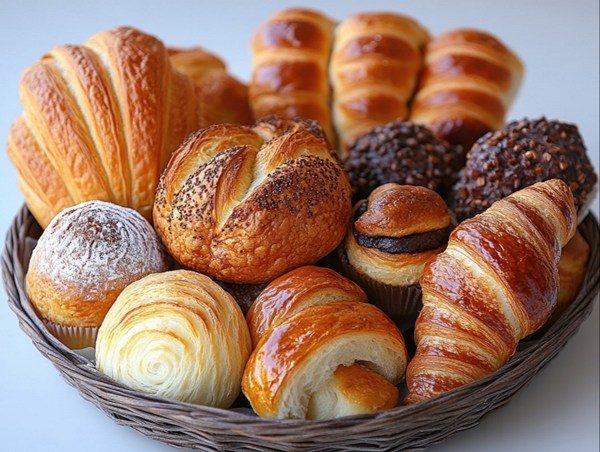
Baked Goods
Baked goods producers rely on packaging equipment that protects product quality while maintaining consistent throughput. Packaging solutions must accommodate variations in size, shape, and presentation without slowing production or increasing manual handling.
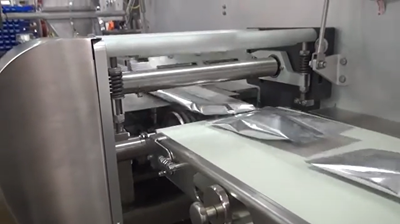
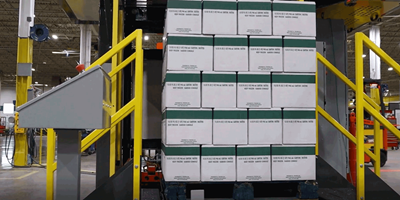
BW Packaging supports baked goods packaging with horizontal flow wrapping and end‑of‑line solutions designed for efficient handling and reliable operation in commercial food production environments.
Explore by Equipment
Explore baked goods packaging equipment including horizontal flow wrappers and end‑of‑line solutions, deployed as standalone machines or integrated into broader food packaging operations.
“It's thrilling to see that product come off the line. We feel like we've entered into a whole new chapter in our company's story, having this product available.”Chimene Mayne Ross, President & CCO | The Killer Brownie® Company
Read the full testimonial
Related Posts
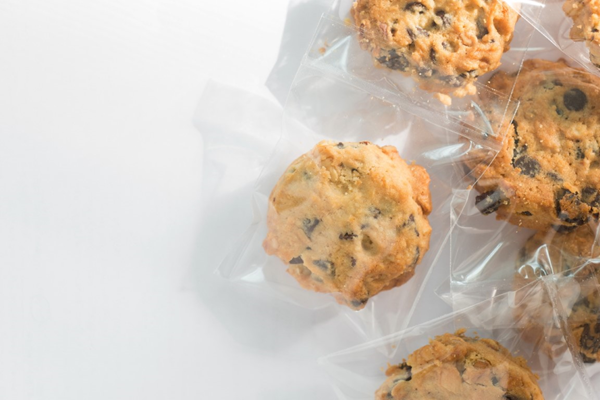 How to Preserve Freshness with Flow Wrap Packaging of Bakery Products
November 11, 2025
<p>At BW Packaging, we’ve witnessed how critical the right packaging can be in delivering consistently fresh, appealing bakery products. From artisanal breads to delicate pastries, maintaining texture, flavor, and shelf-life hinges on precise wrapping techniques and materials. Next, explore how flow wrapping helps retain bakery freshness, reduce spoilage, and satisfy consumer expectations for taste and convenience. Then, discover how the right machinery and operational choices can transform your bakery operation into a high-efficiency, high-quality production line.</p><h2 id="understanding-the-unique-challenges-in-bakery-packaging">Understanding the Unique Challenges in Bakery Packaging</h2><p>Baked goods are prized for their aroma, crust, and texture; however, those characteristics are notoriously short-lived if exposed to air, heat, or moisture fluctuations. Freshly baked items can lose their appeal within hours if not properly wrapped and stored. Small pinholes or misaligned seals can lead to dryness, staleness, or even mold development. With consumer expectations at an all-time high, packaging has become a frontline defense in preserving the premium eating experience customers crave.</p><p>Beyond preserving the product, packaging also heavily influences brand perception. Shoppers often equate well-presented baked goods with superior taste and freshness. Eye-catching designs, clear branding, and resealable features help differentiate offerings in a competitive market. When done correctly, packaging can extend product shelf life, reduce returns for staleness, and bolster a company’s reputation for consistent quality.</p><h2 id="the-basics-of-flow-wrap-technology">The Basics of Flow Wrap Technology</h2><p>Flow wrapping involves feeding products horizontally into a forming machine that encloses them in film and then seals both the top and ends. This continuous process is highly efficient, making it popular for baked goods that need a quick turnaround. The forming collar shapes the film into a tube, allowing items to pass through, after which a fin seal closes the underside. Subsequent end seals create individual packages at consistent spacing.</p><p>This approach is particularly useful for bakery items because it allows for gentle handling. Fragile pastries or intricately decorated items can be inserted onto infeed conveyors with minimal jostling. Compared to other packaging methods, flow wrapping reduces friction and compression, preserving the product’s structure.</p><h2 id="selecting-the-right-packaging-materials-for-bakery-freshness">Selecting the Right Packaging Materials for Bakery Freshness</h2><p>One of the primary goals of bakery packaging is to guard against oxygen ingress and moisture loss. Oxygen speeds up staling, while excess moisture can soften crispy surfaces or encourage microbial growth. Multi-layer films with high oxygen and moisture barriers slow these processes significantly, helping bread and pastries remain flavorful. For example, polypropylene films are frequently used because they combine clarity, seal ability, and moderate barrier properties, striking a balance between cost and protection.</p><p>Yet not every product needs a complete moisture lock. Some bakery items benefit from slight breathability to prevent condensation. Specialty materials that incorporate micro-perforations or anti-fog treatments can maintain an equilibrium between protecting products and avoiding excess humidity. The choice of film hinges on the item’s shelf-life requirements, desired texture, and whether the product is packaged immediately post-bake or after cooling.</p><h3 id="controlling-atmosphere-and-sealing-for-optimal-shelf-life">Controlling Atmosphere and Sealing for Optimal Shelf Life</h3><p>Modified Atmosphere Packaging<sup>Modified atmosphere packaging (MAP) is a method of packaging products in polymer films that maintain a commodity-specific modified atmosphere such as reduced oxygen levels and elevated carbon dioxide levels.<br>Source: <a target="_blank" href="https://www.sciencedirect.com/topics/food-science/modified-atmosphere-packaging" data-sf-ec-immutable="">ScienceDirect.com</a></sup> (MAP) can be integrated with flow wrap lines, replacing oxygen with gases like nitrogen or carbon dioxide. This environment slows mold growth and preserves softness, particularly useful for items like tortillas, bagels, or packaged pastries sold over extended periods. The machine’s forming and sealing process must be carefully synchronized with gas flushing to ensure a proper seal under the modified atmosphere.</p><p>Even for products not using MAP, accurate temperature controls in the seal jaws are vital. If sealing temperatures are too low, the film may not fuse completely; if it is too high, the film can degrade or cause wrinkles that allow air pockets. Achieving the right balance secures a tight, reliable seal.</p><h2 id="setting-up-a-flow-wrapping-line-for-bakery-products">Setting Up a Flow Wrapping Line for Bakery Products</h2><p>A successful flow wrap line starts with how items are fed onto the conveyor. Aligning products in a single-file arrangement, often using infeed guides or product grouping modules, prevents collisions or overlapping. If a product arrives at the wrapping station misaligned, the system can jam, or the seal might form unevenly.</p><p>Managing residual heat from freshly baked goods is another key concern. Packaging items that are still slightly warm can trap steam, leading to sogginess. Installing cooling racks or conveyors that allow ambient air to circulate helps regulate moisture. For high-humidity environments, dehumidifiers near the packaging line can stave off condensation that otherwise forms on the film.</p><h3 id="maintaining-product-quality-during-high-speed-operations">Maintaining Product Quality During High-Speed Operations</h3><p>Achieving high throughput without damaging bakery products requires striking a careful balance between conveyor speed and gentle handling. Overly rapid conveyor speeds can cause items to bump or fall, especially if the packaging line must handle multiple shapes or sizes. Smart sensors help monitor product position, detecting if a pastry becomes askew. When a jam is imminent, the system can pause or slow, preventing product damage.</p><p>Automated inspection systems further reduce errors. Vision or weight checks can flag any package lacking the correct seal or containing the wrong item. By removing the defective package before it proceeds further, bakeries avoid shipping compromised goods.</p><h2 id="storage-and-distribution-considerations">Storage and Distribution Considerations</h2><p>Once sealed, products must remain in an environment that supports the chosen packaging’s barrier properties. Temperature fluctuations can cause condensation, leading to soggy or mold-prone baked goods. Warehouses and transport vehicles equipped with temperature or humidity control help maintain the sealed environment’s integrity. For sensitive pastries, even short exposure to high heat or extreme cold can degrade quality.</p><p>Proper labeling and coding also play a role in maintaining product standards. Printing batch numbers and best-before dates directly on each flow-wrapped item ensures traceability. In the event of a quality concern, lot numbers can quickly pinpoint the production run. This transparency not only safeguards consumers but also instills confidence in retailers.</p><h2 id="leveraging-data-and-analytics-to-boost-efficiency">Leveraging Data and Analytics to Boost Efficiency</h2><p>Modern flow wrappers often come with integrated software that monitors performance metrics like packaging rate, downtime frequency, and seal integrity. Operators can analyze these data points to identify consistent bottlenecks, whether it’s film misalignment or insufficient cooling time. By making incremental adjustments, such as slightly reducing line speed or adjusting seal jaw temperatures, managers can see immediate improvements in output consistency.</p><p>In addition, historical data reveals trends that might not be evident on the factory floor day-to-day. If a spike in rejects correlates with a particular batch of film, procurement can investigate potential material defects. If throughput dips whenever a certain product is run, the line configuration might need fine-tuning.</p><h2 id="best-practices-for-worker-training-and-maintenance">Best Practices for Worker Training and Maintenance</h2><p>A few key steps to ensure well-trained operators and reliable flow wrapper performance include:</p><ul><li><strong>Focus on Core Machinery Mechanics</strong>: Operators should know how to load film correctly, adjust tension, and monitor seal consistency. A solid grounding in these fundamentals reduces mistakes and optimizes uptime.</li><li><strong>Provide Ongoing Training and Refreshers</strong>: Regular sessions keep experienced staff updated on new software or materials. New employees learn faster with a structured approach, minimizing early errors and downtime.</li><li><strong>Use Practical and Digital Resources</strong>: Hands-on demonstrations let workers hone skills in real-world scenarios. Online manuals and video tutorials reinforce lessons and clarify troubleshooting techniques.</li><li><strong>Conduct </strong>Routine Maintenance<strong> Checks</strong>: Scheduling cleaning, lubrication, and part inspections prevents crumb buildup or gear misalignment. Early detection of minor faults avoids sudden breakdowns that stall production.</li><li><strong>Replace Worn Parts Preemptively</strong>: Proactively switching out belts or cutting jaws keeps the line running smoothly. This approach averts extensive repairs and safeguards both machinery investments and product quality.</li></ul><p>Together, these measures maintain steady output and ensure bakery teams can adapt seamlessly to fluctuating production demands.</p><h2 id="potential-innovations-on-the-horizon">Potential Innovations on the Horizon</h2><p>Sustainable packaging materials are a rising focus in the bakery sector. Compostable or biodegradable films are under development, though they must still provide adequate moisture and oxygen barriers. As technology advances, we may see new hybrid materials that break down more readily in landfills yet remain sturdy enough to protect delicate pastries.</p><p>Smart packaging is another emerging area, with the possibility of QR codes or embedded sensors that track product freshness. Consumers could scan a code to learn about storage instructions, ingredients, or even the date the item was baked. These innovations tie into broader Internet of Things (IoT) trends, where data flows seamlessly from production through to the consumer’s experience.</p><h2 id="achieve-optimal-freshness-with-the-hayssen-r300">Achieve Optimal Freshness with the Hayssen R300</h2><p>At BW Packaging, quality control is key, and we give our clients the tools they need to do just that. Explore the Hayssen R300 flow wrapper, a high-performance solution designed to maintain product quality while maximizing throughput. Its precise control systems, robust sealing mechanisms, and user-friendly interfaces help ensure that each baked good emerges neatly wrapped and protected.</p><p>Contact us today and discover how the Hayssen R300 can elevate your bakery’s efficiency and product freshness.</p>
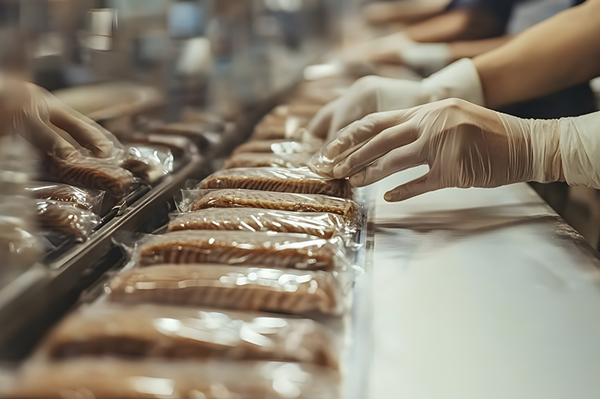 Quick Changeover Techniques for Multi-Product Bakery Operations
March 19, 2025
<p>BW Packaging is committed to helping bakeries worldwide optimize their bakery operations to boost revenue and minimize overhead costs. It is crucial to understand how quick changeover methods can streamline multi-product operations, reduce downtime, and maintain the consistent product quality your customers expect. Learn more about reducing changeover downtime below, and contact us for the professional guidance your bakery operations need.</p><h2>Understanding the Modern Bakery Production Landscape</h2><p>Modern consumers have a growing appetite for an ever-expanding range of baked goods, from artisan bread to specialty pastries. This surge in variety pushes bakeries to diversify their product lines to stay competitive. As a result, manufacturing facilities must adapt their equipment and operations to handle frequent changes in recipes and ingredients.</p><p>Frequent product swaps mean a single packaging line might handle everything from delicate croissants to dense loaves of bread within a single shift. When changeovers are not optimized, bakeries can experience significant production lags and increased labor costs. Packaging equipment must be flexible enough to accommodate varying shapes, sizes, and formulations without sacrificing speed.</p><h3>The Core Challenges of Managing Multiple Product Lines</h3>Managing multiple product lines within a single bakery operation often presents a tangle of technical, scheduling, and workforce challenges. A few critical hurdles that frequently develop include:<ul id="core-challenges"><li>Dough Consistency and Texture: Different dough formulations require specific handling techniques to avoid damage or sticking. Packaging lines must be carefully configured to minimize pressure on softer doughs while efficiently moving sturdier baked goods.</li><li>Shape and Size Variation: A single line might handle everything from compact rolls to lengthy baguettes. Adjusting spacing and guiding mechanisms becomes essential to prevent jams and misalignment.</li><li>Packaging Material Compatibility: Switching from paper bags for bread to plastic wrappers for pastries can create bottlenecks. Operators must recalibrate sealing or folding components to maintain integrity for each packaging type.</li><li>Allergen Cross-Contamination Risks: When multiple recipes use different ingredients, swift but thorough cleanup is critical. Proper sanitization steps must be integrated into the changeover process to ensure food safety.</li><li>Regulatory and Labeling Requirements: Varying nutritional labels, ingredient lists, and batch data add complexity to product swaps. Rapid changes to coding or labeling machinery are often necessary to remain compliant.</li></ul><p>These factors highlight why bakeries need highly adaptable lines and efficient changeover strategies. By proactively planning for these challenges, managers can minimize disruptions and keep production on schedule.</p><h3>The Financial Impact of Inefficient Changeovers on Bakery Efficiency</h3><p>When changeovers take longer than planned, employees are left waiting for new setup instructions or spending excessive time recalibrating machinery. This unproductive period can quickly escalate operating expenses as labor hours go underutilized while production stalls. Even a small delay, repeated multiple times a day, compounds into significant lost throughput. The resulting shortfall in packaged products often forces overtime work or rushed production later, further inflating costs.</p><p>Extended changeovers also create bottlenecks in the overall workflow, as incoming batches cannot be processed until the line is ready. Over time, these backups jeopardize fulfillment schedules and put strain on logistics planning. If a bakery regularly misses shipment windows, it can damage relationships with distributors and retailers, undermining brand reputation and eroding client confidence.</p><h3>Efficient Packaging Lines Require Rapid, Tool-Free Adjustment</h3><p>Machinery that includes quick-release mechanisms and adjustable components enables operators to transition from one product format to another with minimal effort. By reducing the need for specialized tools, bakeries cut down on the time spent locating and using them during changeovers. Simple clamp-based fittings and easily swappable guides help maintain a steady workflow without disassembling large portions of equipment.</p><p>Modular equipment designs allow bakeries to reconfigure lines according to the product's specific size or shape. For instance, swappable conveyor sections or adjustable forming tubes let operators adapt machinery to accommodate new product dimensions quickly. Such flexibility is vital when switching from small items like cookies to larger items like artisan loaves. With modular solutions, bakeries can scale up or down efficiently, ensuring equipment investments remain viable for multiple product lines.<br></p><h2>Optimizing Workflow and Workstation Layouts</h2><p>A well-designed workspace significantly reduces time lost walking between stations or searching for parts. Placing essential tools near the machinery that requires them ensures operators can swiftly complete each stage of the changeover. Consolidating packaging supplies like trays, rolls of film, and labels within easy reach helps maintain momentum.</p><p>Beyond efficiency, ergonomics plays a pivotal role in worker comfort and productivity. When operators have to bend, reach, or stretch repeatedly, fatigue sets in quickly, slowing the line. Adjusting work surface heights and adding supportive fixtures can help reduce repetitive strain injuries and maintain consistent performance throughout a shift.</p><h3>How To Empower Teams Through Skill Development</h3><p>Developing a skilled, adaptable team is just as critical to rapid changeovers as having well-designed machinery. A few steps that can foster the expertise required for seamless product swaps include:</p><ol id="skill-development"><li>Conduct Thorough Onboarding: Make sure every new hire understands the various stations and processes involved in your bakery's production line. Early exposure to multiple tasks builds familiarity that can be expanded with advanced training later.</li><li>Schedule Regular Refresher Courses: Periodically revisit critical procedures to ensure knowledge stays up-to-date. Frequent reinforcement helps operators remember crucial details and maintain consistency.</li><li>Offer Hands-On Practice: Whenever introducing new products or equipment changes, grant the team ample time to experiment. Hands-on sessions promote confidence and reduce mistakes under real production pressure.</li><li>Rotate Roles Periodically: By moving employees between stations, they gain broader skills and a deeper understanding of the entire operation. This practice also prevents boredom and burnout from repetitive tasks.</li><li>Set Clear Performance Benchmarks: Provide metrics, such as target changeover duration, to guide each operator's development. Clear expectations give employees tangible goals and a sense of achievement when met.</li><li>Implement Peer Mentoring: Pair newer staff with experienced team members who can share insights and best practices. Mentorship encourages collaboration and quick problem-solving during day-to-day operations.</li><li>Reward Skill Growth and Initiative: Recognize employees who invest effort into learning new tasks or enhancing existing ones. Encouraging professional growth fosters a positive culture that values continuous improvement.</li></ol><p>Building a team that can pivot quickly during product transitions reduces downtime and ensures a high level of consistency. By systematically developing operator skills, bakeries can continuously refine their processes to meet shifting consumer demands.</p><h3>Establishing SOPs for Changeover Time Reduction</h3><p>Standard Operating Procedures (SOPs) act as a reference point for every step in a changeover, eliminating guesswork and reliance on memory. By documenting each action—from removing old packaging materials to verifying sealing adjustments—operators can maintain uniformity across shifts. Checklists prevent overlooked details that might lead to packaging defects or lost time searching for missing parts.</p><p>While SOPs provide structure, they should never be static. As new products emerge or more efficient techniques are discovered, updating these documents keeps procedures relevant and lean. Encouraging employees to suggest improvements builds a collective sense of ownership and responsibility.</p><h2>Enhance Your Bakery Operations with BW Packaging</h2><p>At BW Packaging, we are ready to help you maximize your bakery options. Our specialized equipment and services can transform your bakery's packaging line. By focusing on quick-changeover technology, ergonomic layouts, and robust SOPs, we help optimize your production flow. Contact us today to learn more about how we can help you get the most out of your bakery operations.</p>
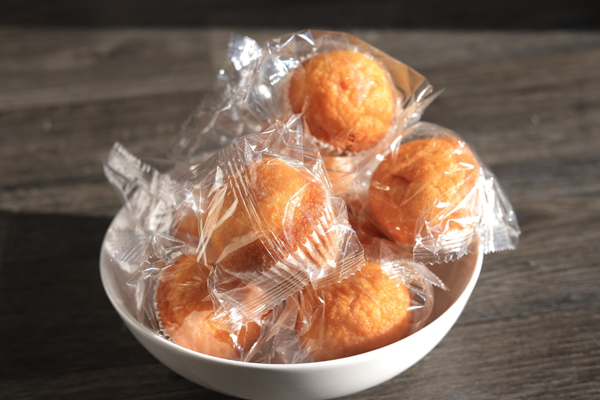 Reducing Product Damage: Gentle Packaging Solutions for Delicate Baked Goods
May 14, 2025
<p>At BW Packaging, we recognize that gentle packaging solutions can protect baked goods like pastries, cookies, and other fragile treats. Several methods and technologies help preserve product shape, texture, and appearance—ultimately ensuring consumers receive visually appealing, high-quality baked goods.</p><p>By focusing on gentle handling techniques, careful material selection, and appropriate machine settings, you can minimize waste, reduce returns, and uphold your bakery's reputation for excellence. Learn how flow wrapping gentle packaging solutions can help you better meet the needs of your customers. Then contact us to get started!</p><h2 id="identifying-common-sources-of-damage-in-delicate-goods">Identifying Common Sources of Damage in Delicate Goods</h2><p>Fragile baked goods like puff pastries and crumbly cookies can fracture or crumble if subjected to excessive force or jostling during the packaging process. Often, friction between product surfaces or between the product and machine components can cause hairline cracks that become visible over time. Mishandling by untrained operators—whether through rough conveyor transitions or improperly loaded trays—further increases the risk of breakage.</p><p>Beyond direct mechanical stress, environmental variables such as humidity can also undermine the integrity of delicate baked goods. Overly moist conditions can make products more pliable, leading to deformation or stickiness that worsens when they contact other surfaces. Conversely, excessively dry air can cause brittleness, causing items to crack or crumble more easily. Maintaining balanced storage conditions is therefore a critical component of gentle handling.</p><h2 id="designing-equipment-with-low-impact-handling">Designing Equipment with Low-Impact Handling</h2><p>The right machinery design can dramatically reduce impact and pressure on fragile food products. Conveyors that use modular belts, for example, can shift items with minimal friction, preventing surface abrasion. Baggers and flow wrappers outfitted with adjustable guides or soft rollers help keep delicate baked goods in line without pressing too firmly. These low-impact enhancements allow products to move smoothly down the line, preserving shape and reducing the potential for damage.</p><p>Vibration dampeners, shock absorbers, and carefully placed supports all contribute to stable, gentle product movement. By isolating vibration-heavy components—like motors or fans—from direct contact with the conveyor, bakeries can minimize jostling that leads to product breakage. When every mechanism is tuned for softer handling, items are much less likely to endure damaging bumps.</p><h2 id="minimizing-contact-points-during-packaging">Minimizing Contact Points During Packaging</h2><p>Each time a baked good comes into contact with a machine surface, there is a chance for friction or force to be applied. Excessive handling points or changes in direction multiply these opportunities for breakage. By reducing the number of times items are physically touched or transferred, bakeries can dramatically lower the probability of cracks forming.</p><p>When products exit the oven, they should move as directly as possible into the packaging process. Long or convoluted pathways often mean extra conveyors, manual handling, or multiple machinery stations that increase the likelihood of accidental collisions. Simplifying the route removes unnecessary transitions and cuts back on potential damage scenarios.</p><h2 id="gentle-packaging-solutions-selecting-protective-materials">Gentle Packaging Solutions: Selecting Protective Materials</h2><p>Evaluating and choosing the right film or wrap is crucial for cushioning and preserving delicate baked goods. A few factors and options that play a role include:</p><table><thead><tr><th scope="col">Film/Wrap Type</th><th scope="col">Thickness</th><th scope="col">Texture</th><th scope="col">Breathability</th><th scope="col">Protective Capacity</th><th scope="col">Cost-Effectiveness</th></tr></thead><tbody><tr><th scope="row">Polypropylene (PP)</th><td>Moderate, can be multilayered</td><td>Smooth surface</td><td>Low-to-moderate</td><td>High barrier for moisture</td><td>Generally affordable at scale</td></tr><tr><th scope="row">Polyethylene (PE)</th><td>Varies, often thinner</td><td>Slightly flexible</td><td>Moderate</td><td>Good resistance to tearing</td><td>Typically cost-effective for bulk</td></tr><tr><th scope="row">Laminated Films</th><td>Can be thicker multi-layers</td><td>Smooth, sometimes glossy</td><td>Low</td><td>Excellent gas/moisture block</td><td>Higher upfront cost, high protection</td></tr><tr><th scope="row">Cellophane</th><td>Thin, biodegradable</td><td>Smooth, crisp texture</td><td>High</td><td>Minimal impact resistance</td><td>Moderately priced, eco-friendly</td></tr><tr><th scope="row">Paper-Based Wraps</th><td>Ranges from thin to thick</td><td>Textured surface</td><td>Moderate</td><td>Absorbs shock but not water</td><td>Low cost, but variable performance</td></tr></tbody></table><p>Thicker films generally offer superior barrier qualities but can increase packaging expenses. In contrast, thinner materials may be more breathable but might lack sufficient resilience for extremely delicate goods.</p><h2 id="calibrating-speeds-and-settings-for-fragile-products">Calibrating Speeds and Settings for Fragile Products</h2><p>Machine speed is a key variable when handling fragile baked goods, including brownies. High-speed settings can cause abrupt acceleration or deceleration, leading to items jostling against each other or the machine. Slowing down the conveyor or packaging line at critical transition points reduces impact force, allowing delicate pastries or cookies to stay intact.</p><p>Sensors placed strategically along the packaging line can quickly identify when products have deviated from their intended path. Early detection of a jam or misalignment enables operators to pause the process before significant damage occurs. Modern sensors can measure various data points, including spacing, tension, and product orientation, providing real-time visibility into line conditions.</p><h2 id="establishing-clean-controlled-packaging-environments">Establishing Clean, Controlled Packaging Environments</h2><p>Controlling temperature and humidity within the packaging area helps prevent delicate goods from drying out or becoming overly moist. An environment that's too humid can soften the product, increasing the likelihood of dents and tears. Alternatively, extremely dry air can make baked items brittle and prone to breakage under even slight pressure.</p><p>Sanitation plays a significant role in preserving product quality, especially for perishable baked goods. Residues from previous runs or spills on equipment can attract moisture or contaminants, such as listeria, that weaken product structure. Regular, thorough cleaning of surfaces, belts, and packaging stations reduces the risk of microbial buildup.</p><h2 id="how-to-train-staff-to-handle-fragile-items-properly">How To Train Staff to Handle Fragile Items Properly</h2><p>Ensuring consistent, gentle handling methods hinges on well-trained operators. Key training steps you need to follow include:</p><ol><li><strong>Orientation on Fragility:</strong> Present real-life examples of breakage and wasted product. This helps employees appreciate the need for careful movements.</li><li><strong>Equipment Familiarity:</strong> Teach staff how conveyors, baggers, and wrappers function. Knowledge of machine settings helps them make quick, informed adjustments.</li><li><strong>Observation Techniques:</strong> Instruct operators to watch for subtle signs of friction or product contact. Early detection can avert damage before it spreads.</li><li><strong>Handling Scripts:</strong> Provide clear procedures for lifting, moving, and placing products. Uniform methods ensure consistent results across shifts.</li><li><strong>Protective Material Awareness:</strong> Explain how various films and wraps affect product integrity. This insight fosters better decisions when restocking packaging supplies.</li><li><strong>Interactive Practice Sessions:</strong> Let employees experiment with different speeds and angles in a controlled setting. Hands-on learning cements best practices.</li><li><strong>Refresher Courses and Continuous Feedback:</strong> Schedule periodic reviews to reinforce training and address new challenges. An ongoing loop of instruction maintains skill levels over time.</li></ol><p>When employees fully grasp gentle handling fundamentals, delicate goods stand a better chance of reaching consumers intact.</p><h2 id="improve-delicate-baked-goods-packaging-with-bw-flexible-systems">Improve Delicate Baked Goods Packaging with BW Packaging</h2><p>At BW Packaging, our team of flexible packaging specialists, including innovation, customer support, and everyone in between, is focused on protecting your fragile baked goods. By combining low-impact conveyor systems with advanced packaging materials and carefully calibrated equipment settings, we help baked good manufacturers deliver consistently flawless products. Our commitment to gentle packaging solutions ensures minimal breakage, reduced waste, and heightened customer satisfaction. Contact us today to learn more about how the <a href="https://www.bwpackaging.com/products/flexible-bagging-wrapping/flow-wrapping/hayssen-r300-flow-wrapper">Hayssen R300</a> can help you.</p>
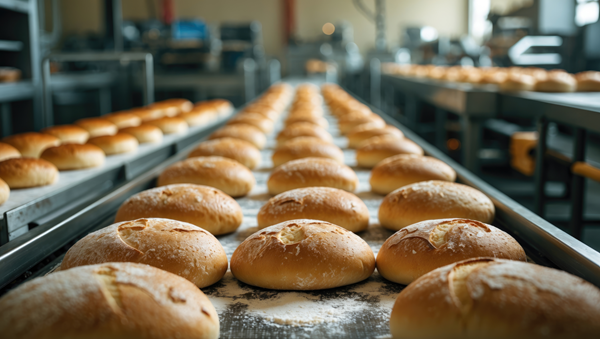 Meeting Food Safety Standards in Modern Bakery Packaging
July 9, 2025
<p>The modern bakery industry operates under increasingly stringent food safety regulations that demand comprehensive approaches to packaging operations. At BW Flexible Systems, we understand that meeting food safety standards in bakery packaging extends far beyond basic cleanliness; it requires integrated systems, specialized equipment design, and rigorous operational protocols that protect product integrity throughout the packaging process.</p><p>Food safety in bakery packaging has evolved from basic sanitary practices to sophisticated systems that address potential hazards at every stage of the packaging process. Modern regulations require proactive approaches that identify and control risks before they can impact product safety, creating a comprehensive framework that protects both consumers and business operations from food safety incidents.</p><h2 id="current-food-safety-regulatory-landscape-for-bakeries">Current Food Safety Regulatory Landscape for Bakeries</h2><p>The regulatory environment governing bakery packaging continues to evolve, with new requirements and enhanced enforcement creating challenges for operations of all sizes. Understanding this landscape is essential for maintaining compliance while optimizing operational efficiency and competitive positioning.</p><h3 id="fda-and-usda-requirements">FDA and USDA Requirements</h3><p>The Food Safety Modernization Act (FSMA) represents the most significant transformation in food safety regulation in decades, shifting focus from reactive responses to preventive controls. FSMA requirements mandate that bakery operations implement comprehensive food safety plans that identify potential hazards and establish controls to prevent contamination throughout the packaging process.</p><p>Preventive controls regulations require bakeries to conduct hazard analyses that identify potential biological, chemical, and physical contamination risks associated with packaging operations. These analyses must be supported by written procedures, monitoring systems, and corrective action protocols that ensure effective hazard control.</p><p>Traceability requirements enable rapid response to potential food safety incidents by maintaining detailed records of ingredients, production processes, and distribution activities. Packaging operations must contribute to these traceability systems through accurate record-keeping and lot identification procedures.</p><h3 id="industry-standards-and-certifications">Industry Standards and Certifications</h3><p>Meeting food safety standards often involves pursuing third-party certifications that demonstrate compliance with industry best practices:</p><ul><li><strong>SQF (<a href="https://www.sqfi.com/our-program/what-is-sqf" data-sf-ec-immutable="">Safe Quality Food</a>) certification requirements</strong> that establish comprehensive food safety and quality management systems</li><li><strong>BRC (<a href="https://www.brcgs.com/our-standards/food-safety/" data-sf-ec-immutable="">British Retail Consortium</a>) standards</strong> providing globally recognized food safety and quality criteria</li><li><strong>AIB (<a href="https://aibinternational.com/" data-sf-ec-immutable="">American Institute of Baking</a>) guidelines</strong> offering industry-specific standards for bakery operations</li><li><strong>HACCP (<a href="https://www.fda.gov/food/guidance-regulation-food-and-dietary-supplements/hazard-analysis-critical-control-point-haccp" data-sf-ec-immutable="">Hazard Analysis Critical Control Points</a>) implementation</strong> requiring systematic approaches to hazard identification and control</li><li><a href="https://www.iso.org/iso-22000-food-safety-management.html" data-sf-ec-immutable=""><strong>ISO 22000</strong></a> <strong>food safety management systems</strong> providing international standards for food safety management</li></ul><h2 id="critical-control-points-in-bakery-packaging">Critical Control Points in Bakery Packaging</h2><p>Effective food safety management requires identification and control of critical points where contamination risks are highest. Packaging operations contain multiple potential control points that must be carefully managed to prevent food safety incidents.</p><h3 id="contamination-prevention-strategies">Contamination Prevention Strategies</h3><p>Physical contamination prevention requires equipment design and operational procedures that eliminate potential sources of foreign materials. Packaging equipment must be constructed with appropriate materials that resist wear and prevent particle generation, while operational procedures must address potential contamination sources, including maintenance activities, cleaning operations, and material handling.</p><p>Chemical contamination risks include cleaning and sanitizing chemicals, lubricants, and other maintenance materials that may come into contact with food products. Prevention strategies include selecting appropriate chemicals, following application procedures, and implementing verification methods to ensure that chemical residues do not contaminate products.</p><p>Biological contamination prevention focuses on controlling pathogenic organisms and spoilage bacteria that could affect product safety and quality. This requires comprehensive environmental monitoring, personnel hygiene programs, and equipment design features that prevent bacterial growth and facilitate effective sanitization.</p><p>Preventing cross-contamination becomes critical in multi-product operations where different products or allergens can be transferred between batches. Effective prevention requires equipment design features, cleaning procedures, and operational protocols that eliminate cross-contamination risks.</p><h3 id="package-integrity-and-seal-quality">Package Integrity and Seal Quality</h3><p>Package integrity represents a critical control point that directly affects product safety and shelf life. Effective sealing prevents contamination after packaging while maintaining the protective atmosphere necessary for product stability.</p><p>Seal quality monitoring requires continuous verification that packages meet integrity standards throughout production runs. This monitoring includes visual inspection, seal strength testing, and leak detection procedures that identify potential problems before products reach distribution channels.</p><p>Temperature and pressure control during sealing operations ensure consistent seal formation while preventing damage to temperature-sensitive products. Automated monitoring and control systems maintain optimal sealing conditions while providing documentation of critical parameters.</p><h2 id="sanitary-equipment-design-and-operation">Sanitary Equipment Design and Operation</h2><p>Sanitary design principles form the foundation of effective food safety management in packaging operations. These principles must be integrated throughout equipment design, rather than added as afterthoughts, to create systems that inherently support food safety objectives.</p><p>Modern bakery packaging equipment features a sanitary design that facilitates cleaning and sanitization while preventing contamination during operation. These features represent essential investments in food safety compliance and operational efficiency.</p><h3 id="hygienic-design-principles">Hygienic Design Principles</h3><p>Effective sanitary design requires the systematic application of principles that prevent contamination while enabling thorough cleaning and sanitization:</p><ol><li><strong>Smooth, non-porous surfaces that resist bacterial growth</strong> and prevent particle accumulation in hard-to-clean areas</li><li><strong>Minimal crevices and joints where contaminants can accumulate</strong> through careful design and construction techniques</li><li><strong>Easy-to-clean and sanitize components</strong> that can be thoroughly cleaned without disassembly or special tools</li><li><strong>Drainage design to prevent standing water</strong> that could harbor bacteria or create cleaning challenges</li><li><strong>Accessible areas for thorough inspection and cleaning</strong> enabling verification of cleaning effectiveness</li></ol><p>Material selection plays a crucial role in sanitary design, with stainless steel grades and surface finishes that resist corrosion while maintaining smooth surfaces throughout equipment life. Surface roughness specifications must be appropriate for food contact applications while supporting effective cleaning procedures.</p><h2 id="cleaning-and-sanitization-protocols">Cleaning and Sanitization Protocols</h2><p>Effective cleaning and sanitization represent essential components of food safety management that require systematic approaches, appropriate procedures, and thorough documentation. These protocols must be tailored to meet specific equipment and operational requirements while also complying with regulatory standards.</p><p>The development of effective cleaning protocols requires an understanding of soil types, cleaning chemistry, and equipment design features that affect cleaning effectiveness. Protocols must strike a balance between thoroughness and efficiency to maintain both food safety standards and operational productivity.</p><h3 id="daily-cleaning-procedures">Daily Cleaning Procedures</h3><p>Daily cleaning procedures establish baseline sanitation standards that prevent the buildup of contamination while maintaining equipment performance. These procedures must be documented, validated, and consistently executed to ensure effectiveness.</p><p>Pre-cleaning preparation includes equipment shutdown procedures, removal of product residues, and preparation of cleaning solutions at appropriate concentrations and temperatures. Proper preparation ensures cleaning effectiveness while preventing damage to equipment components.</p><p>Cleaning sequence protocols specify the order and methods for cleaning different equipment areas, ensuring that contaminated areas don't cross-contaminate cleaned surfaces. These sequences must account for equipment design and operational requirements while maximizing cleaning effectiveness.</p><p>Chemical application procedures specify appropriate cleaning agents, concentrations, contact times, and application methods for different equipment areas and soil types. Proper chemical selection and application ensure effective cleaning while preventing damage to equipment and chemical residues.</p><h3 id="deep-cleaning-and-maintenance-schedules">Deep Cleaning and Maintenance Schedules</h3><p>Periodic deep cleaning addresses areas and equipment components that cannot be effectively cleaned during daily procedures. These activities require more extensive disassembly and specialized procedures, but are essential for maintaining long-term food safety compliance.</p><p>Preventive maintenance schedules must be coordinated with cleaning requirements to ensure that maintenance activities don't compromise food safety. Maintenance procedures should include cleaning and sanitization of components before reassembly.</p><p>Component replacement schedules address wear parts that could affect food safety, including seals, gaskets, and other components that may harbor contaminants as they age. Replacement schedules should be based on manufacturer recommendations and operational experience.</p><p>Documentation requirements include maintenance records, verification of cleaning, and any corrective actions taken to address problems. This documentation supports regulatory compliance while providing data for continuous improvement efforts.</p><h2 id="contact-bw-flexible-systems-to-ensure-your-bakery-operation-meets-food-safety-standards">Contact BW Flexible Systems To Ensure Your Bakery Operation Meets Food Safety Standards</h2><h3 id="the-hayssen-r300s-food-safety-features">The Hayssen R300's Food Safety Features</h3><p>The <a href="https://www.bwpackaging.com/products/flexible-bagging-wrapping/flow-wrapping/hayssen-r300-flow-wrapper">Hayssen R300 flow wrapper</a> incorporates comprehensive food safety features specifically designed for bakery applications. These features are designed for easy access while maintaining the structural integrity and operational efficiency necessary for commercial production environments.</p><p>Stainless steel construction throughout product contact areas provides corrosion resistance and cleanability essential for food safety compliance. The R300 utilizes appropriate stainless steel grades with surface finishes that meet food industry standards, while resisting wear and maintaining its appearance throughout the equipment's life.</p><p>Open wire mesh guarding along the underside of the entire machine allows crumbs to fall through eliminating crevices that could harbor bacteria while providing adequate drainage for cleaning solutions and rinse water. The tool-less infeed cover removal also enables easy cleaning without extensive disassembly or specialized tools.</p><p>At BW Flexible Systems, we're committed to helping bakeries achieve their food safety objectives through innovative equipment design, comprehensive support services, and ongoing partnership throughout the equipment lifecycle. Our expertise in food safety standards enables us to provide solutions that meet current requirements while adapting to evolving regulations.</p><p>Connect with our Bakery packaging experts to discuss your specific requirements and discover how our easy to operate and easy to clean flow wrappers can support your food safety objectives while optimizing operational efficiency and profitability.</p>