 Quick Changeover Best Practices For Modern Packaging Lines
August 28, 2025
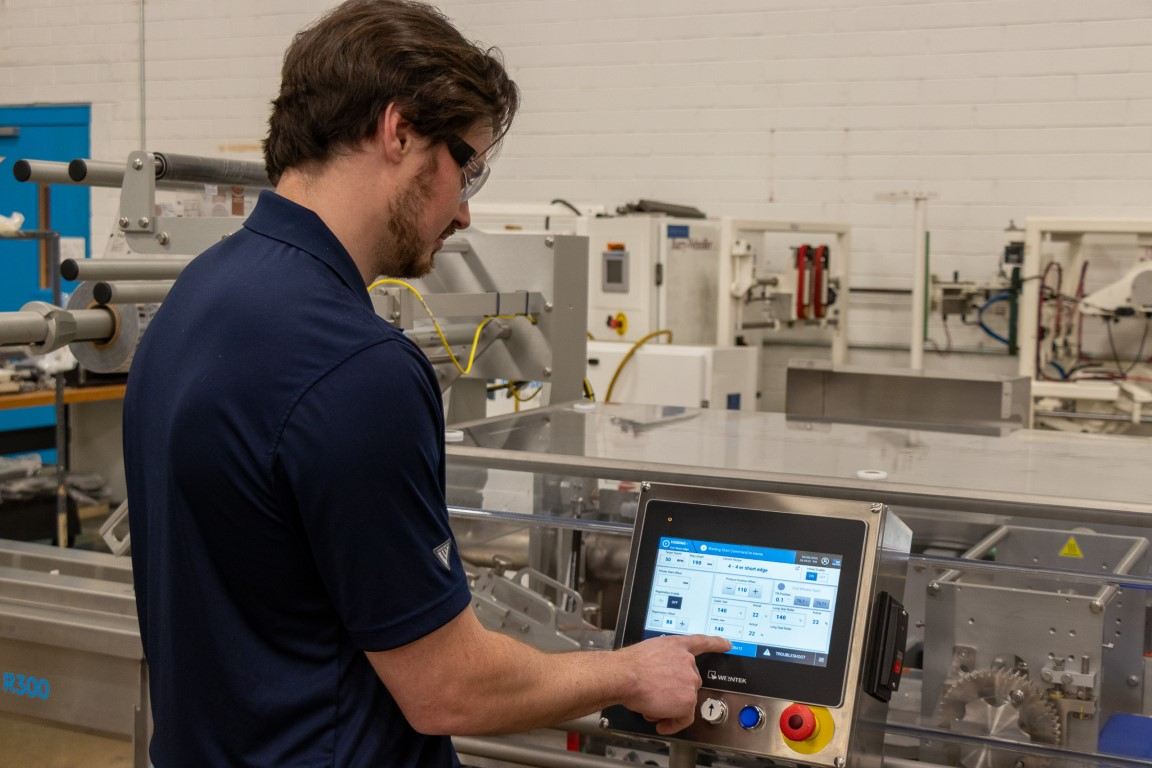
<p>At BW Packaging, we understand that packaging lines must remain agile to meet shifting consumer tastes, seasonal promotions, and fast-paced product launches. In many factories, transitioning from one product SKU to another can take hours or even days, time during which machines sit idle and production stalls. </p><p>Industry leaders must understand the importance of quick changeovers, why they’re essential for modern manufacturing, and specific best practices that maintain product quality without sacrificing production speed. Now, see how a combination of smart planning, staff training, and strategic machinery choices can transform your packaging line into a nimble, profit-driving asset. </p><h2 id="why-quick-changeovers-are-crucial">Why Quick Changeovers Are Crucial </h2><p>In a highly competitive marketplace, the ability to pivot swiftly from one product run to another can separate leading brands from those that lag behind. Quick changeovers reduce downtime, enabling you to produce more SKUs in less time and rapidly respond to <a href="/blog/pet-food-packaging-industry-trends-to-watch">market trends</a>. </p><h3 id="adapting-to-rapid-sku-expansion">Adapting to Rapid SKU Expansion </h3><p>As consumer demand shifts, brands introduce new flavors, seasonal variants, and limited-edition products at a rapid clip. This variety drives the need for changeovers, sometimes multiple times a day. If switching from one bag size or labeling requirement to another is cumbersome, you risk missing prime market windows. Alternatively, you might overproduce certain SKUs to avoid frequent changeovers, which can lead to wasted inventory or stale products. </p><p>A well-orchestrated quick changeover process allows operators to swap packaging films, adjust sealing temperatures, and reprogram weighers without a drawn-out shutdown. This responsiveness is critical for meeting tight retailer deadlines, capturing impulse-buy markets, and ensuring a consistent supply of fresh goods. </p><h3 id="minimizing-downtime">Minimizing Downtime </h3><p><a href="/blog/proactive-strategies-for-packaging-machine-maintenance" title="Proactive Strategies for Packaging Machine Maintenance | Packed with Expertise">Downtime</a> bleeds profitability. When machines aren’t running, labor, overhead, and equipment costs accumulate with no offsetting revenue. While no operation can avoid stoppages entirely, quick changeovers aim to keep them as brief as possible. Ultimately, the leaner the transition, the greater the overall throughput and the healthier the bottom line. </p><p>It’s also worth noting that poor changeover processes can cause stress among operators, leading to mistakes like incorrect sealing parameters or mislabeled packaging. By standardizing and refining each step of the changeover, you create a calmer, more predictable work environment that supports high-quality output. </p><h2 id="common-obstacles-during-line-changeovers">Common Obstacles During Line Changeovers </h2><p>Even straightforward packaging lines contain multiple machines and components, think form-fill-seal equipment, labelers, weighers, and conveyors, all of which must be realigned or reconfigured for a new SKU. Inconsistencies or delays at any one station can cascade into extended downtime. </p><p>Without a standardized approach, operators may improvise each time, resulting in missed steps or overlooked details. It’s easy for screws, tools, and parts to go missing in the shuffle, especially if they aren’t stored properly. A few obstacles during changeovers that must be overcome include: </p><ul><li><strong>Lack of Standardized Procedures</strong>: Without documented steps, staff rely on tribal knowledge that may vary widely.</li><li>Inefficient Machine Adjustments: If equipment settings must be manually dialed in each time, small errors or guesswork can create further delays.</li><li><strong>Equipment Cleaning Delays</strong>: Thorough cleaning between SKUs is often necessary—especially with allergen or hygiene concerns—but can become a bottleneck if not well planned.</li><li><strong>Limited </strong> <a href="/blog/cross-training-strategies-for-packaging-line-efficiency" title="Cross-Training Strategies for Packaging Line Efficiency | Packed with Expertise" class="font-weight-bold">Operator Training</a>: If only one or two technicians know how to do a changeover, any absence can bring the line to a standstill.</li><li><strong>Unclear Communication</strong>: Lack of real-time updates can cause operators to stand by waiting for instructions or searching for needed parts.</li></ul><p>By identifying these pain points, companies can systematically address them through standardized protocols, better training, and the right tooling strategies. </p><h2 id="best-practices-for-faster-transitions">Best Practices for Faster Transitions </h2><p>A thoughtful blend of organizational tactics and mechanical optimizations can shorten changeover times dramatically. A few steps and best practices to follow include: </p><ol><li><strong>Pre-Stage Materials</strong>:<br>Before a run ends, gather the new packaging films, labels, and product components at the line. This way, operators aren’t scrambling to locate items once it’s time to change over.</li><li><strong>Implement Quick-Release Mechanisms</strong>:<br>Minimizing the number of tools required for adjustments cuts down on fumbling or misplacement. Quick-clamp or snap-on parts let operators switch forming tubes, seal jaws, or guides with minimal fuss.</li><li><strong>Use Visual Aids and Checklists</strong>:<br>Detailed checklists eliminate memory reliance and inconsistency. A large, laminated guide near each station helps keep staff on track, ensuring essential tasks aren’t overlooked.</li><li><a href="/blog/cross-training-strategies-for-packaging-line-efficiency" title="Cross-Training Strategies for Packaging Line Efficiency | Packed with Expertise" class="font-weight-bold">Cross-Train Staff</a>:<br>If only one person knows how to adjust the weigher, any absence or backlog at that station stalls the whole line. Cross-training multiple operators fosters team collaboration, making it easier for staff to step in and handle each step of the process.</li><li><strong>Leverage Digital Controls</strong>:<br>Modern packaging machinery can store multiple recipes or parameter sets. By selecting the correct program on the control panel, operators rapidly shift from one product’s sealing temperature, fill weight, or labeling layout to another.</li></ol><p>Each of these tactics, when combined, yields a streamlined transition that not only shortens downtime but also maintains rigorous product standards. </p><h3 id="why-changeover-speed-doesnt-mean-compromised-quality">Why Changeover Speed Doesn’t Mean Compromised Quality </h3><p>A key concern is that speeding up transitions might create errors, like mislabeled packages or incomplete cleaning between SKUs. Yet, following the above best practices systematically actually helps maintain quality. <a href="/blog/quick-changeover-techniques-for-multi-product-bakery-operations" title="Quick Changeover Techniques for Multi-Product Bakery Operations | Packed with Expertise">Standardized processes</a> reduce guesswork, while pre-staging ensures that everything is ready before the line is halted. </p><h2 id="maintaining-quality-through-rapid-changeovers">Maintaining Quality Through Rapid Changeovers </h2><p>While speed is paramount, it’s crucial not to let <a href="/blog/reducing-product-damage--gentle-packaging-solutions-for-delicate-baked-goods" title="Reducing Product Damage: Gentle Packaging Solutions for Delicate Baked Goods | Packed with Expertise">product quality</a> slip. A quick changeover that leads to mislabeled or poorly sealed packages is self-defeating. Instead, quality checks should be integrated into the transition process to confirm that each new run meets specifications. </p><h3 id="checking-seals-and-fill-accuracy">Checking Seals and Fill Accuracy </h3><p>As soon as the new film roll is loaded, run a short test batch. Inspect the seals under real operating conditions. Tug at the seal to ensure it doesn’t split, check for wrinkles or gaps, and verify that the seal jaws align properly. At the same time, random samples will be weighed to confirm fill accuracy. If you notice any discrepancies, address them immediately rather than waiting until you’ve produced a large batch of off-spec product. </p><h3 id="documenting-results">Documenting Results </h3><p>Keep a record of how each changeover proceeds. Note the time taken for each step, any issues encountered, and the solutions. Over subsequent runs, look for patterns, as perhaps the same clamp causes delays or certain cleaning tasks consistently run long. </p><h2 id="scheduling-and-planning-for-frequent-changes">Scheduling and Planning for Frequent Changes </h2><p>Even with excellent systems in place, multiple daily changeovers can still strain staff and resources if not carefully scheduled. Where possible, group similar SKUs back-to-back to reduce the extent of each transition. For instance, if you package snacks in 8-ounce, 12-ounce, and 16-ounce formats, line up the runs so minimal adjustments are needed between them. Consolidate bigger leaps for the end or start of a shift when comprehensive cleaning is more convenient. </p><p>In addition, consider how shift schedules influence changeover success. If operators know a change is coming at the halfway point of a shift, they can proactively gather new materials and label reels. Similarly, a short daily meeting can highlight the upcoming schedule, ensuring everyone is aligned on priorities. This fosters accountability and reduces communication lapses. </p><h2 id="streamline-your-packaging-lines-for-greater-efficiency">Streamline Your Packaging Lines for Greater Efficiency </h2><p>A well-executed quick changeover strategy can do more than <a href="/blog/proactive-strategies-for-packaging-machine-maintenance" title="Proactive Strategies for Packaging Machine Maintenance | Packed with Expertise">cut downtime</a>; it can re-energize an entire production environment. When the staff sees that management values their efficiency and provides the right tools, morale often improves, resulting in fewer mistakes and a more cohesive team dynamic. Whether you produce confections, beverages, pharmaceuticals, or any item with frequent packaging variations, quick changeovers help you stay competitive in a fast-moving market. </p><p>By partnering with BW Packaging, you can explore machinery features, like recipe storage, quick-release assemblies, and modular designs, that inherently facilitate smoother transitions. We also offer consultancy on process optimization, ensuring each station is placed logically to minimize travel time and confusion. <a href="/contact">Contact us today</a> to learn how we can tailor advanced packaging solutions to your needs, transforming slow, error-prone changeovers into a streamlined, efficient routine. </p>
-for-packaging-lines-and-machinery.tmb-webp-md.webp?Culture=en&sfvrsn=e11c4d5f_1) How to Calculate the Total Cost of Ownership (TCO) for Packaging Lines and Machinery
How to Calculate the Total Cost of Ownership (TCO) for Packaging Lines and Machinery
December 30, 2021
<p>Cost calculation is an important early step to determining potential <span style="text-decoration: underline">return on investment (ROI)<sup>Return on investment (ROI) is the ratio of the profit of an investment to the cost of that investment.</sup></span>. When investing in packaging machinery, however, calculating the initial purchase price alone is not enough. To properly inform your investment decisions, it’s important to understand the total cost of ownership (TCO). In this post, we’ll define TCO for packaging equipment, provide a list of factors you should consider during cost calculation, and share tips for how you can keep costs low.</p><h2>What is TCO and why does it matter?</h2><p>Total cost of ownership (TCO) refers to the long-term costs associated with owning and maintaining a packaging line or machine throughout its entire lifecycle. In addition to your initial capital investment, you will incur costs associated with the purchasing process, plant operations, machine maintenance, technical support, and more. By accounting for all these costs, you can accurately calculate the total cost of owning the equipment and subsequently, better predict your ROI.</p><h3>Common Packaging Equipment Cost Factors</h3><p>When you’re purchasing new packaging equipment, there are several project-specific factors to consider. Maybe you’re relaunching your product with a more sustainable package, and you need to account for a longer testing period to ensure the equipment is compatible with the package. Or maybe you're opening a new production plant and you need to assess your requirements for on-site utilities. While every project comes with its own unique cost factors, most costs can be simplified into three categories – capital costs, operational costs, and maintenance costs. We'll summarize each category below, but for a more comprehensive explanation <a href="https://go.bwpackagingsystems.com/tco-calculation-guide" target="_blank" data-sf-ec-immutable="">download the free TCO calculation guide</a>. </p><p><a href="https://go.bwpackagingsystems.com/tco-calculation-guide" target="_blank" data-sf-ec-immutable="" class="button green">Download the Guide</a></p><h2>What are capital costs?</h2><p>Capital costs are the initial expenses that you will incur upfront with the purchase of your packaging equipment. These costs are typically one-time expenses that can be calculated by considering factors such as:</p><ul><li>Equipment design</li><li>Permits, certifications, acceptance testing</li><li>Shipping and installation</li><li><span style="text-decoration: underline">Equipment validation<sup>Equipment validation encompasses the final tasks that are required for an original equipment manufacturer (OEM) to hand off newly purchased equipment to a consumer packaged goods (CPG) company. Equipment validation tasks include, for example, ensuring ensuring installed equipment meets quality and throughput requirements.</sup></span></li></ul><h3>2 Ways to Lower Capital Costs</h3><h4>Take a consultative approach during contract negotiations</h4><p>Imposing too many strict demands (i.e., tight time constraints, total control over <span style="text-decoration: underline">OEM<sup>In the packaging industry, an original equipment manufacturer (OEM) is the company which manufactures the machinery used to facilitate the packaging process.</sup></span> selection, etc.) will drive up the purchase price. On the other hand, taking on responsibility in-house for tasks you’re not set up to handle can also put the project at risk. The best way to navigate this conundrum is finding your ideal balance between cost and risk. This requires looking inward at the depth and strengths of your in-house resources and asking yourself a series of questions.</p><ul><li>Who should be responsible for each task?</li><li>What risks are associated with owning those tasks in-house?</li><li>What assurances are granted by contracting the integrator to do them?</li></ul><p>These questions will help you make cost-effective decisions during contract negotiations.</p><h4>Maximize SKU variability with flexible packaging solutions</h4><p>Sometimes, considering equipment speed and capability alone is not enough. It’s also important to evaluate the need to interchange between these factors, especially if you are a <span style="text-decoration: underline">co-packer<sup>A co-packer (or contract packager) is a company that packages and/or labels goods for another company or brand owner.</sup></span>. Investing in a flexible packaging solution that is easily configurable and designed for quick <span style="text-decoration: underline">changeovers<sup>A changeover is the transition time from running one item (or SKU) in a manufacturing process to another. Some machines change over using the “recipe” system, where the parameters for different products are stored and then drawn into the machine parameter database. This allows a packaging machine to run different weights, sizes, and volumes with precision.</sup></span> will allow you to produce multiple SKUs as quickly as possible on the same machine. By evaluating the need for flexibility during the equipment design phase, you’ll reduce your need for future capital investments.</p><h2>What are operational costs?</h2><p>Operational costs are the ongoing expenses that you will incur to run your packaging equipment. These costs recur throughout the life of the equipment and are calculated by considering factors including:</p><ul><li>Staff training</li><li>Automation and labor requirements</li><li>Utilities</li></ul><h3>2 Ways to Lower Operational Costs</h3><h4>Keep superb training and troubleshooting resources</h4><p>Your packaging equipment supplier should provide you with an operator manual and step-by-step training documents for future employee onboarding. This will mitigate some of the recurring costs of training. Some OEMs also include operator training resources via the <span style="text-decoration: underline">human-machine interface (HMI)<sup>A human-machine interface (HMI) is the dashboard through which an operator interacts with packaging systems or equipment. Modern HMIs can offer operator training resources, provide preventative maintenance reminders, assist in troubleshooting machine malfunctions, and much more.</sup></span>. This can include video tutorials and on-demand training guides to make setup and operations simple. Including these training resources directly within your packaging solution allows your operators to always have access to the most up-to-date training and troubleshooting resources available.</p><h4>Create efficient changeovers with packaging automation</h4><p>Whether you’re a private label manufacturer or a co-packer, maximizing your production time is a priority. As you evaluate machines for your packaging line, look for options that will automate processes that would otherwise require a hefty investment in manual changeovers. Automated changeovers are popular because they’re easy and cost-efficient. Once you program the recipe, there isn’t much more to the changeover than selecting the right recipe – the automated system does the rest of the changeover for you, reducing operator overhead and the opportunity for errors to occur.</p><h2>What are maintenance and support costs?</h2><p>Maintenance and support costs are the ongoing expenses associated with keeping machinery in working order, troubleshooting, and resolving unexpected disruptions. These costs can be trickier to manage than capital and operational costs because it’s not always clear when maintenance and support will be required. However, you can mitigate unexpected costs through careful consideration of:</p><ul><li>Documentation</li><li>Parts Lists (Spare and Wear)</li><li>Aftermarket Support</li></ul><h3>2 Ways to Lower Maintenance and Support Costs</h3><h4>Stick to the maintenance schedule</h4><p>Abiding by the supplier-recommended maintenance schedule is the easiest (but most important) way to keep your maintenance costs low. Completing tasks such as cleaning, lubricating, and replacing worn out parts within the recommended time frame results in fewer breakdowns, less downtime and lower emergency maintenance costs, as well as increased safety for your machine operators.</p><h4>Include a parts and service agreement in your contract</h4><p>Parts and service agreements can reduce your maintenance costs by giving you fast access to wear parts and ensuring OEM availability when you need emergency technical support. By working with your supplier to create a package that supports your long-term maintenance needs and your overall investment and production strategy, you can better plan for the costs ahead and mitigate any unplanned expenses.</p><h2>The Comprehensive Guide to Calculating Packaging Equipment TCO</h2><p>Did you find this content useful? If so, check out our comprehensive guide to calculating packaging equipment TCO. It provides breakdowns for each of the cost factors mentioned above, additional tips for keeping costs low, and a list of proven packaging solutions to consider for your next project.</p><p><a href="https://go.bwpackagingsystems.com/tco-calculation-guide" target="_blank" data-sf-ec-immutable="" class="button green">Download the Guide</a></p>
-vs-fill-seal-(fs)-machines.tmb-webp-md.webp?Culture=en&sfvrsn=ab9096f2_1) Form-Fill-Seal (FFS) vs Fill-Seal (FS) Machines [Infographic]
Form-Fill-Seal (FFS) vs Fill-Seal (FS) Machines [Infographic]
May 18, 2021
<p>When it comes to choosing the right dairy packaging equipment, there are several options to choose from. For yogurt packaging machines, however, there are just two machine classifications that dairy processors commonly choose between – form-fill-seal (FFS) and fill-seal (FS) machines. Choosing the most suitable and cost-efficient machine type for your business largely depends on a handful of operational and business-specific factors. In this post, we will compare the pros and cons of both FFS and FS yogurt cup machines and offer advice on when you might choose one option over the other.</p><p>Before we delve into the pros and cons, let’s set the stage with the basic definitions of FFS and FS machines and why a yogurt or dairy processor might choose one over the other.</p><h2>WHAT IS FFS?</h2><p><a href="https://www.synerlink.com/product-line/inline-form-fill-seal-machines" data-sf-ec-immutable="">Form-fill-seal (FFS) machines</a> use heat and air pressure to convert a plastic film into custom-formed cups that are then filled, sealed, and cut. Versatility, sanitation, and lower labor costs are among the top benefits that make FFS machines attractive to yogurt and dairy processors.</p><h2>WHAT IS FS?</h2><p><a href="https://www.synerlink.com/product-line/inline-cup-fillers" data-sf-ec-immutable="">Fill-seal (FS) machines</a> are used to fill and seal preformed cups. Low-volume cost efficiency, smaller footprints, and end-of-line SKU flexibility are among the top reasons why a yogurt or dairy processor might choose a FS machine.</p><h2>FFS VS FS: YOGURT PACKAGING MACHINES [INFOGRAPHIC]</h2><p><img style="max-width: 100%; height: auto" width="2200" title="FFS vs FS Infographic_2025" height="3400" src="/images/default-source/blog/ffs-vs-fs-infographic_2025.jpg?sfvrsn=d1d485f_0" sf-image-responsive="true" sf-size="522200" alt="FFS vs FS Infographic_2025"></p><h2>WHAT THIS MEANS FOR DAIRY PROCESSORS</h2><h3>Operational Expenses (OPEX)</h3><p>The <span style="text-decoration: underline">OPEX<sup>Operational expenses (OPEX) consist of the ongoing costs associated with running and maintaining a machine or system.</sup></span> advantage between FS and FFS is largely dependent on production volumes. FS offers favorable OPEX for volumes lower than 12,000, whereas FFS is preferable for volumes greater than 12,000. By design, FFS machines can achieve higher <span style="text-decoration: underline">throughput<sup>Throughput refers to the amount of goods and/or products that pass through a packaging machine or system at a given rate.</sup></span> rates than FS machines and allow for more complex automation needs. Some FFS machines can have up to 3 fillers included. FS machines are commonly used for changing over between multiple products run in smaller batches, and thus are designed with operator ergonomics and <span style="text-decoration: underline">changeover<sup>A changeover is the transition time from running one item (or SKU) in a manufacturing process to another. Some machines change over using the “recipe” system, where the parameters for different products are stored and then drawn into the machine parameter database. This allows a packaging machine to run different weights, sizes, and volumes with precision.</sup></span> flexibility in mind.</p><h3>Operational Requirements</h3><p>You can expect lower labor costs with an FFS dairy machine because a single operator can run 2 FFS machines at once. FS machines, on the other hand, often require 2-3 operators for one machine. Because operation of FS machines requires more manual labor, dairy processors who use it are likely to see higher employee turnover rates than processors who use FFS machines.</p><p>On the other hand, FS machines require fewer maintenance operations, resulting in lower labor costs for maintenance. FS machines also typically have a smaller footprint than FFS machines, giving them an advantage for dairy processors working with strict space requirements.</p><h3>Sustainability</h3><p>FFS can claim a lower <span style="text-decoration: underline">carbon footprint<sup>Carbon footprint is the total amount of carbon-based greenhouse gas emissions caused by the consumption of fossil fuels by a particular person, product, service, or manufacturer.</sup></span> than FS because it requires lower utility usage. It can also claim lower transportation costs and emissions because film weighs less and requires less space than preformed cups to transport. Additionally, FFS also allows operators to reduce plastic thickness and, as a result, reduce plastic consumption.</p><p>While Synerlink’s innovative <a href="https://www.synerlink.com/engineering/cutting-tool-technologies" data-sf-ec-immutable="">SNAPCUT cutting tool</a> makes it possible to run PET, PP, and other recyclable plastics on FFS machines, FS has historically been able to claim the advantage of being more flexible for all preformed cups including recyclable packaging materials such as PP, PET, glass, and cardboard.</p><h3>Shelf Appeal</h3><p>Because FFS utilizes film, rather than preformed cups, it offers dairy processors greater flexibility in choosing their own cup shapes for high-volume production. This gives dairy processors an added advantage over competitors who are limited to the shapes of preformed cups. Most of the time, FS cups require stackability that limits the design possibilities. However, for small production batches, FS allows dairy processors to handle a large variety of cup formats with different diameters, with or without snap on lid. In tandem with their FFS machines, Synerlink offers <a href="https://www.synerlink.com/engineering/industrial-packaging-design" data-sf-ec-immutable="">industrial packaging design support</a> to help dairy processors differentiate their packaging design to stand out from their competitors on store shelves.</p><h3>Cup Quality</h3><p>Dairy processors that use FFS machines also maintain greater control over the quality specifications of their cups for higher-volume production. They can define and verify the quality of material that is used to form their cups and be certain that when they stack cups on a pallet, those cups won’t break down under the pressure. High quality pre-formed cups for FS machines can also be acquired, however, they come at a higher price per cup. For this reason, higher quality preformed cups are more likely to be chosen when production volume is lower.</p><h3>Hygiene Requirements</h3><p>FFS has great ultra-clean capabilities for dairy products sold in chilled environments. For example, Synerlink FFS machines ensure proper decontamination (ultra clean) of the inside of the cup prior to the “fill” and “seal” stages of the FFS process. FS gives dairy processors greater access to higher log decontamination of their packaging materials.</p><h3>Pack Formats</h3><p>FFS machines allow dairy processors to produce yogurt multipacks without having to pay for additional stretch plastic or <span style="text-decoration: underline">secondary cardboard packaging<sup>Secondary packaging serves to hold together units of primary packaging, usually to ease the transportation of goods. For example, whereas the box that individual beer cans come in acts as secondary packaging, the cans themselves act as primary packaging.</sup></span>. This is because, by its nature, an FFS machine allows dairy processors to define their own parameters for pack shapes, sizes and such.</p><h3>Capital Expenses (CAPEX)</h3><p>When choosing between an FS and FFS yogurt packaging machine, <span style="text-decoration: underline">capital expenses<sup>Capital expenses (CAPEX) are the initial expenses incurred up front with the purchase of equipment. These costs are typically one-time expenses for factors such as equipment design, permits, installation, etc.</sup></span> are comparable. Neither FS nor FFS have an advantage over the other in this regard.</p><h2>CHOOSING A YOGURT PACKAGING MACHINE</h2><p>Choosing between <a href="https://www.synerlink.com/product-line/inline-form-fill-seal-machines" data-sf-ec-immutable="">FFS</a> and <a href="https://www.synerlink.com/product-line/inline-cup-fillers" data-sf-ec-immutable="">FS</a> is just the first of many decisions you will need to make when selecting new yogurt packaging machine. Beneath both classifications, there are several factors that will inform which specific machine is right for you. For help finding a yogurt packaging machine that is right for your business, contact Synerlink today. <br><a href="https://www.synerlink.com/contact-us" data-sf-ec-immutable="">Contact Us</a></p><h2>RELATED RESOURCES</h2><ul><li><a href="/markets/dairy">Dairy Packaging Machines</a></li><li><a href="https://www.bid-on-equipment.com/blog/post/ffs-101-how-a-form-fill-and-seal-machine-works" data-sf-ec-immutable="" data-sf-marked="">FFS 101: How a Form, Fill and Seal Machine Works (BoI)</a></li><li><a href="https://www.packagingdigest.com/form-fill-seal" data-sf-ec-immutable="">Form Fill Seal Machines (Packaging Digest)</a></li></ul>
 Shrink Sleeve Converting: The Critical Steps of Secondary Converting
December 18, 2020
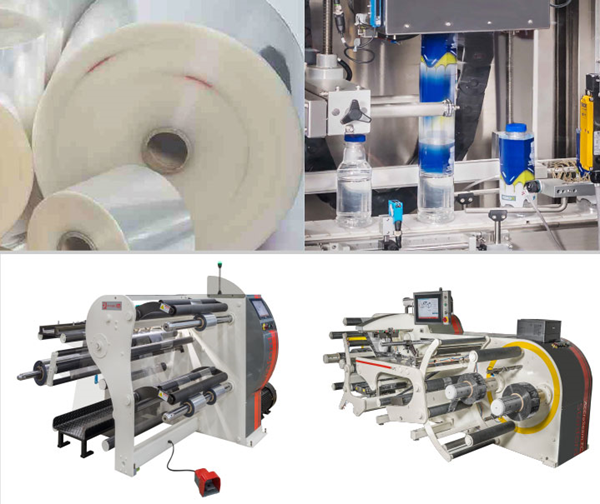
<p><em>Ben Ritter is a shrink sleeve and converting specialist at BW Packaging. The following content is an excerpt from his article – Shrink Sleeves: Seaming, Converting and Application – which originally appeared in Labels & Labeling on October 23, 2020.</em></p><p>The secondary converting process is critical in converting a printed shrink sleeve stock onto the final product container. To achieve a best-in-class shrink sleeve application, the converting and the application processes need to be aligned and functioning in harmony.</p><p>This process includes the following steps:</p><ol><li><strong>Slitting</strong> is a critical first step as it directly influences the nature and quality of the slit edges. In shrink sleeve slitting applications, the slit edges of the rolls are solvent-welded, producing an overlapped seam that would ideally be invisible on the finished product.</li><li><strong>Seaming</strong> follows once clean slits have been achieved. The objective of seaming (or welding) is to transform the flat, printed film into a seamed tube. The end goal should be to achieve this with a seam that cannot be seen or felt, while at the same time, maximizing throughput and minimizing waste.</li><li><strong>Additional </strong><strong>finishing </strong>often follows the seaming process. In this step, a <a href="/brands/stanford">doctor machine</a> enables the converter, when necessary, to change the core size, application rewind direction, and remake splices as necessary to ensure that they will pass appropriately through high-speed automatic application equipment.</li></ol><p>While converters will be most interested in how to produce a high-value shrink sleeve label, it is also necessary that they understand that the application and shrinking process are equally important to producing a finished product that the brand owner – and ultimately, the consumer – will value.</p><p>For more information on shrink sleeve converting, <a href="https://www.labelsandlabeling.com/opinion/shrink-sleeves-seaming-converting-and-application" target="_blank" data-sf-ec-immutable="" data-sf-marked="">read the original article</a> on <em>Labels and Labeling's</em> website or contact us to connect with a shrink sleeve and converting specialist today.<strong></strong></p>