
Coffee & Cocoa Bean
Coffee and cocoa products demand controlled handling to protect product quality and keep bags consistent from the filler through pallet build. Variability in product flow, dust, and bag materials can quickly create weight drift, messy work areas, and unstable pallets.
BW Packaging helps coffee and cocoa processors standardize the end of the line with accurate bag filling and dependable palletizing—supported by labeling and end-of-line options that match your throughput and layout requirements.
Explore by Equipment
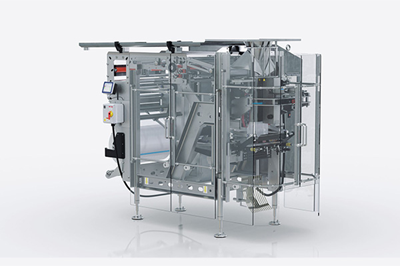
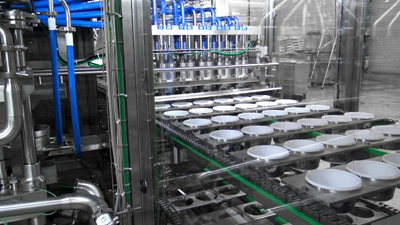
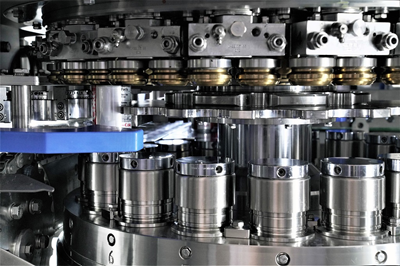
Explore coffee bagging equipment that combines weighing and bag filling with bag closing/sealing, then connects to checkweighing/inspection and conveying—followed by pallet dispensing, slipsheet/topsheet options, palletizing, and stretch wrapping to produce straight, stable pallets for transport and storage; build as standalone stations or as a complete integrated line.

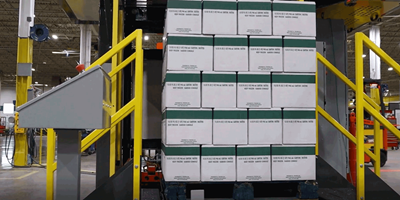
I couldn't tell you any other piece of equipment that I would trust more than the Thiele or the Symach. I wouldn't want to work with anyone but BW in the packaging world.Site Director | Next Level Pet Food
Read the full testimonial
Related Posts
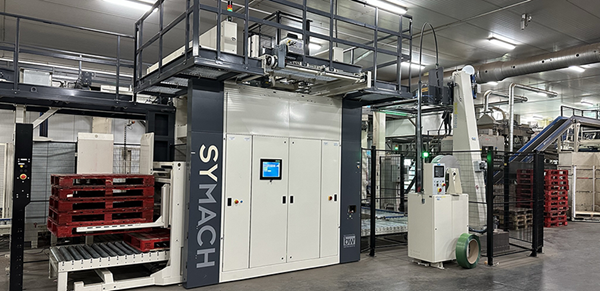 5 Key Benefits of a Conventional Palletizer
August 1, 2024
<p>Palletizing is a crucial final step in the packaging process, ensuring that products reach store shelves in optimal condition. Poorly palletized goods can damage both your reputation and customer satisfaction. Manual stacking often compromises employee well-being and operational efficiency, so an increasing number of brands are turning to automatic palletizers.</p><p>For those considering this shift, choosing the right type of palletizer is vital for optimizing your operations. Conventional palletizers, known for their reliability and efficiency, are particularly favored by many plant managers and packaging engineers. In this post, we explore the five key benefits of a conventional palletizer for bags—from operational speed to ease of changeover—highlighting why they remain a top choice for enhancing productivity in bag production.</p><h3>Operational Speed and Efficiency</h3><p>A conventional palletizer machine maintains a consistent speed, synchronizing better with upstream machines, such as a bag sewing station. This consistent speed ensures a smoother workflow and contributes to the machine's longevity and reduced maintenance needs. Conventional palletizers operate at high speeds, typically ranging from 24 to 28 bags per minute for 25kg bags. By operating at an optimal speed, conventional palletizers enhance Overall Equipment Effectiveness (OEE), making them a reliable choice for maximizing production efficiency.</p><h3>Continuous Operation</h3><p>Conventional palletizers utilize sliding doors to seamlessly transition between full and empty pallets without stopping, maintaining a continuous flow that mirrors the upstream packaging line. This consistent operation minimizes downtime and enhances productivity, ensuring that the packaging line operates without interruptions.</p><h3>Precision in Bag Positioning and Pallet Stability</h3><p>Conventional palletizers employ bag turning devices and a formation cage to ensure precise bag positioning. These systems correct positional errors before stacking, significantly reducing the risk of unstable pallets. After stacking, a conventional palletizer for bags compresses each layer against the sliding doors. This process ensures a flat, stable surface for subsequent layers, further decreasing the risk of the pallet falling apart.</p><h3>Ease of Changeover</h3><p>The versatility of conventional palletizers allows them to handle various bag types, shapes, and weights without the need for mechanical adjustments. Recipe-based changeovers enable quick and easy adjustments, reducing downtime and operational costs. Additionally, operators can easily program new stacking patterns via the Human-Machine Interface (HMI). The ability to create new patterns with the HMI enhances flexibility compared to other systems that might require vendor intervention.</p><h3>Compact Design and Space Efficiency</h3><p>Despite its substantial size and functionality, a conventional palletizer typically occupies less floor space than other types of palletizers due to its contained stacking mechanism. This function eliminates the need for safety fencing, which requires extra floor space. The compact design makes it especially suitable for facilities with limited space, optimizing the utilization of the production area.</p><h3>Concluding Thoughts and Innovation with the Symach 3500S</h3><p>Conventional palletizers are celebrated for their reliability, operational efficiency, and precise stacking capabilities, making them the preferred choice for many bag producers. As the industry evolves, BW Flexible Systems is at the forefront of innovation with machines like the <a data-sf-ec-immutable="" title="3500S Palletizer | BW Flexible Systems" href="https://www.bwflexiblesystems.com/machine/bag-palletizing/3500s-palletizer">Symach 3500S</a>.</p><p>The Symach 3500S is a next generation machine combining the original Thiele 3500 Master Palletizer with Symach palletizing innovations. It enhances the beneficial qualities of conventional palletizer machines with advanced features for diverse packaging needs.</p><h4>Symach 3500S Unique Features:</h4><div class="container-fluid"><div class="row" style="margin-bottom: 1em !important"><div class="col-sm-3"><strong>Improved Stacking Cage</strong></div><div class="col-sm-9">Ensures perfectly aligned pallets by minimizing overhang, crucial for maintaining product integrity during transport.</div></div><div class="row" style="margin-bottom: 1em !important"><div class="col-sm-3"><strong>Press Bars in Stacking Cage</strong></div><div class="col-sm-9">Specifically designed to enhance the stacking of foldable plastic crates and boxes, ensuring secure and stable interlocking.</div></div><div class="row" style="margin-bottom: 1.2em !important"><div class="col-sm-3"><strong>Formation Cage</strong></div><div class="col-sm-9">Optimizes stack quality for various bag types, especially non-brick styles, providing flexibility across product lines.</div></div></div><p>These innovations not only improve stacking quality but also simplify operations. The 3500S is engineered for ease of use, featuring a user-friendly interface for smart stacking pattern creation and a clean design that simplifies maintenance.</p><p>The 3500S builds on experience and technological developments to replace the Thiele 3500 Master Palletizer, but BWFS will continue to support owners of the older generation palletizer with parts, maintenance and upgrades.</p><p>Discover how the Symach 3500S can transform your packaging line and explore our full range of palletizing solutions, <a data-sf-ec-immutable="" title="Bag Palletizers | BW Flexible Systems" href="https://www.bwflexiblesystems.com/machine-type/bag-palletizing">click here</a></p>
 Cross-Training Strategies for Packaging Line Efficiency
May 22, 2025
<p>At <a href="D85F2E51-76A6-674E-8383-FF0300805640" title="BW Flexible Systems">BW Flexible Systems</a>, we believe building a capable and versatile workforce is key to maximizing your packaging line efficiency. Systemic cross-training can help your team handle multiple stations and responsibilities, ultimately reducing production delays and boosting overall productivity. Through structured programs that identify skill gaps and foster ongoing improvement, companies can empower workers to address challenges quickly and efficiently.</p><p>Learn more about how to maximize your packaging line efficiency below. Then <a href="0DB12E51-76A6-674E-8383-FF0300805640" title="Contact Us | BW Flexible Systems">contact us</a> for <a href="8D282F51-76A6-674E-8383-FF0300805640" title="Training | BW Flexible Systems">customized training solutions</a>.</p><h2 id="defining-cross-training-in-a-packaging-environment">Defining Cross-Training in a Packaging Environment </h2><p>Cross-training involves teaching employees the essential skills needed to perform duties outside of their primary roles, ensuring they can step in when necessary. Unlike standard job rotation, where employees might cycle through various positions mainly for exposure and basic understanding, cross-training focuses on deep functional expertise in each station. This approach emphasizes flexibility and rapid adaptability in changing production environments.</p><p>In a fast-paced packaging line, interruptions or bottlenecks often occur when only one person knows how to run a particular machine. Having multiple team members who can step into any role ensures continuity, even if someone is absent or equipment needs shifting. Over time, this collective agility enhances both morale and the bottom line.</p><h2 id="identifying-roles-and-essential-skill-sets">Identifying Roles and Essential Skill Sets </h2><p>The first step toward effective cross-training is a clear understanding of every role on the packaging floor. Managers should list each station's tasks, technical requirements, and soft skills, such as communication or problem-solving. This comprehensive role map allows teams to see how various stations interact within the broader workflow.</p><p>Once roles are documented, the next step is to assess which team members have already mastered or partially acquired relevant competencies. A structured skill inventory, often collected through questionnaires or simple testing, helps highlight where the greatest gaps lie. This data-driven approach ensures training resources are used efficiently, focusing on bridging the most critical deficits first.</p><h2 id="how-to-structure-a-targeted-training-program">How To Structure a Targeted Training Program</h2><p>Establishing a systematic program is crucial for helping employees develop the right skills in the right order. The top steps to follow to structure an effective cross-training initiative include:</p><ol><li><strong>Define Learning Objectives:</strong> Specify the key takeaways for each skill or station. Clear objectives ensure that trainees understand what is expected and how it relates to broader goals.</li><li><strong>Segment Tasks by Complexity:</strong> Start with basic procedures before moving on to advanced operations or troubleshooting. This gradual progression builds confidence and reduces overwhelm.</li><li><strong>Create a Training Timeline:</strong> Allocate specific time frames for each skill module, balancing the demands of daily production. A well-planned schedule helps prevent training from clashing with critical deliverables.</li><li><strong>Incorporate Hands-On Exercises:</strong> Provide learners with real equipment and scenarios to apply new knowledge. Practical experience cements lessons far more effectively than lectures alone.</li><li><strong>Use Checklists and Documentation:</strong> Standardize procedures in written or digital formats for easy reference. This consistency helps maintain uniform quality and minimizes confusion.</li><li><strong>Assign Mentors:</strong> Pair novices with seasoned operators who can offer tips, reinforce best practices, and correct minor errors in real time. Mentoring accelerates learning and fosters camaraderie.</li><li><strong>Set Milestones and Assessments:</strong> Evaluate progress at regular intervals to confirm trainees have internalized the material. Frequent check-ins encourage steady development and show where extra support might be needed.</li></ol><p>As new equipment or processes emerge, the structure can easily adapt, ensuring ongoing growth and operational resilience.</p><h2 id="effective-teaching-methods-for-maximum-retention">Effective Teaching Methods for Maximum Retention </h2><p>Choosing the right mix of teaching methods is vital for engaging diverse learning styles and reinforcing new information effectively. Several strategies to enhance cross-training outcomes include:</p><ul><li><strong>Hands-On Learning:</strong> Allow trainees to perform tasks under supervision. Practicing real actions builds muscle memory and confidence.</li><li><strong>Digital Resources and Tutorials:</strong> Offer videos, slide decks, or interactive software modules. These materials let employees revisit lessons anytime they need a refresher.</li><li><strong>Practice-Based Testing:</strong> After each training session, use quizzes or mini-assessments to confirm understanding. Immediate feedback helps correct misconceptions before they become ingrained.</li><li><strong>Peer-to-Peer Coaching:</strong> Encourage employees who have mastered a skill to guide newer learners. This promotes knowledge sharing and fosters supportive relationships.</li><li><strong>Scenario Simulations:</strong> Present hypothetical situations or production challenges. Asking teams to work through solutions together boosts problem-solving skills in real-world contexts.</li></ul><p>By combining these methods, you cater to varied learning preferences and maintain consistent knowledge transfer.</p><h2 id="measuring-the-impact-on-packaging-line-efficiency">Measuring the Impact on Packaging Line Efficiency </h2><p>Implementing cross-training without monitoring its effects can lead to missed opportunities for improvement. By focusing on specific metrics, you gain valuable insights into how new skills translate to tangible performance gains. Key KPIs to consider include:</p><ol><li><strong>Error Rates:</strong> Reflects how accurately tasks are performed without mishaps.</li><li><strong>Throughput Speed:</strong> Measures how quickly products move through the packaging line.</li><li><strong>Downtime Frequency:</strong> Indicates how often line stops occur due to operator shortages or technical mishaps.</li><li><strong>Changeover Duration:</strong> Shows how quickly employees switch tasks or reconfigure machinery for different product runs.</li><li><strong>Overall Equipment Effectiveness (OEE):</strong> Encompasses availability, performance, and quality across the line.</li><li><strong>Employee Turnover Rates:</strong> Reveals how staff retention correlates with job satisfaction and skill development opportunities.</li><li><strong>Training Completion Rates:</strong> Tracks how many employees fully master each cross-trained skill.</li></ol><p>Once your team starts tracking these metrics, you can correlate improvements or declines with specific changes in training strategy. For instance, a drop in error rates might align with a newly implemented hands-on workshop, suggesting that the approach is particularly effective. By analyzing these data points regularly, managers can adjust training sequences or expand modules to target weaker areas.</p><h2 id="balancing-workloads-and-preventing-burnout">Balancing Workloads and Preventing Burnout </h2><p>With cross-training in place, multiple employees can perform identical tasks, so managers need to carefully assign duties to avoid overloading certain individuals. A rotating schedule allows each person to alternate between stations, providing variety and preventing fatigue. By maintaining transparency about who handles what tasks, the entire team can see the rationale behind these distributions.</p><p>In high-volume environments, breaking the day into distinct segments or shifts can help prevent mental and physical strain. Strategically assigning people to different roles throughout a shift keeps monotony at bay. Aligning schedules with production peaks and troughs ensures the right number of trained hands are always on deck when needed.</p><h2 id="boost-your-packaging-line-performance-with-bw-flexible-systems">Boost Your Packaging Line Performance with BW Flexible Systems </h2><p>At <a href="5FB52E51-76A6-674E-8383-FF0300805640" title="About Us | BW Flexible Systems">BW Flexible Systems</a>, we can support your cross-training initiatives through integrated machinery solutions and expert guidance. By aligning automated packaging equipment with a skilled, versatile workforce, you can maximize your packaging line efficiency. <a href="0DB12E51-76A6-674E-8383-FF0300805640" title="Contact Us | BW Flexible Systems">Contact us today</a> to discover how our <a href="8D282F51-76A6-674E-8383-FF0300805640" title="Training | BW Flexible Systems">training program</a> can help your packaging operation reach new levels of efficiency and reliability.</p>