Household & Personal Care Packaging Equipment
Household and personal care manufacturers operate in competitive, fast‑moving markets where product consistency, package appearance, and operational efficiency directly influence brand success. From detergents and cleaning products to lotions, shampoos, and personal care formulations, packaging systems must deliver reliable performance across a wide range of product viscosities, container types, and production speeds.
At BW Packaging, we provide household and personal care packaging solutions designed to support precise filling, secure closing, accurate labeling, and efficient end‑of‑line handling. Our equipment helps manufacturers maintain consistent quality, improve throughput, and adapt packaging operations as product portfolios and market demands evolve.

Explore by Equipment
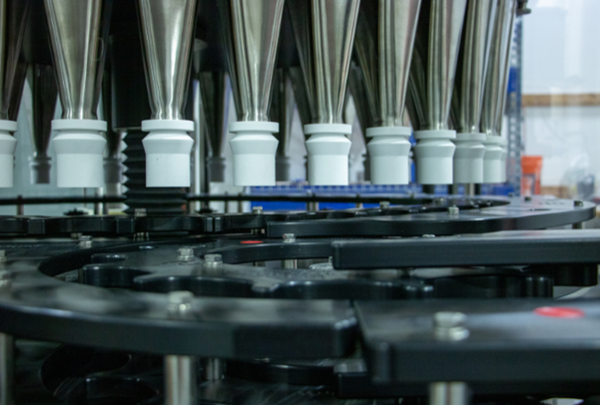
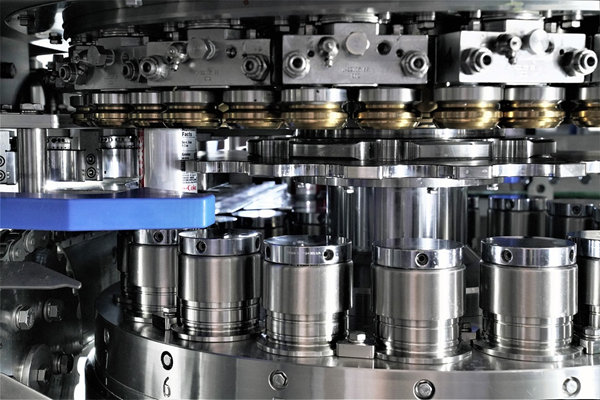
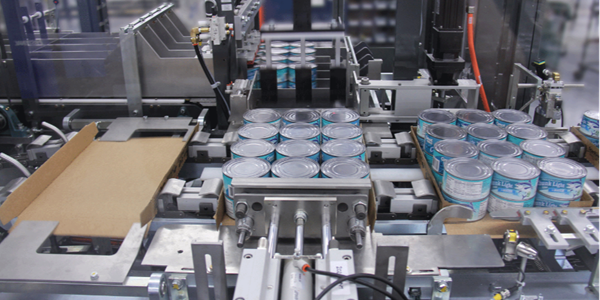
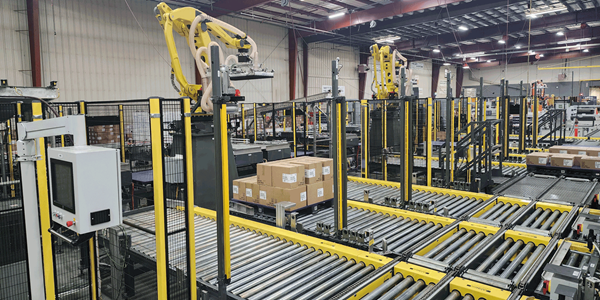
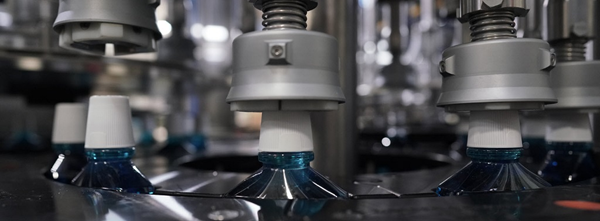
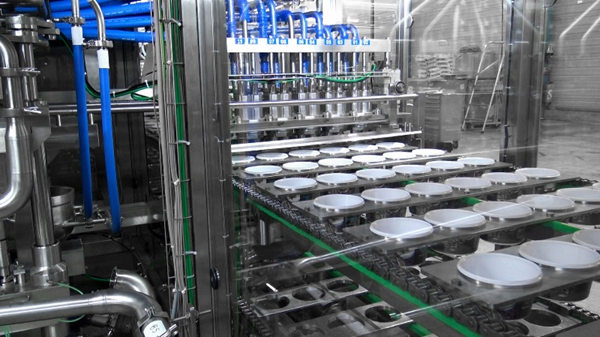
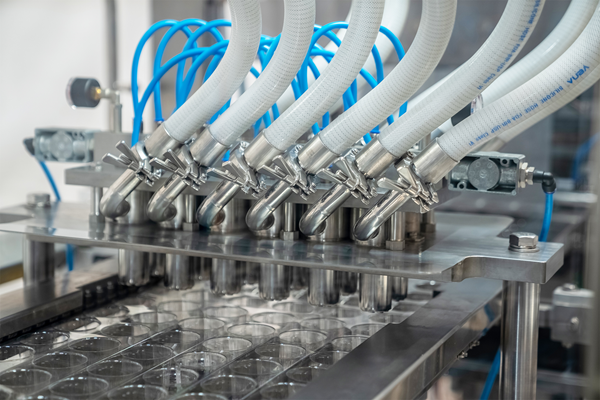
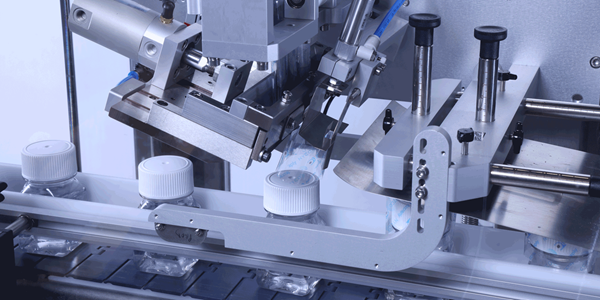
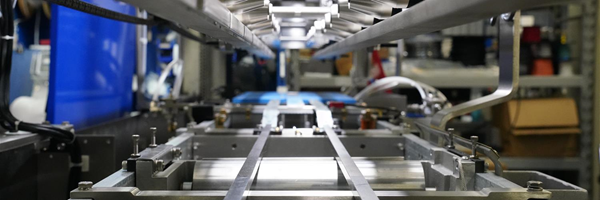
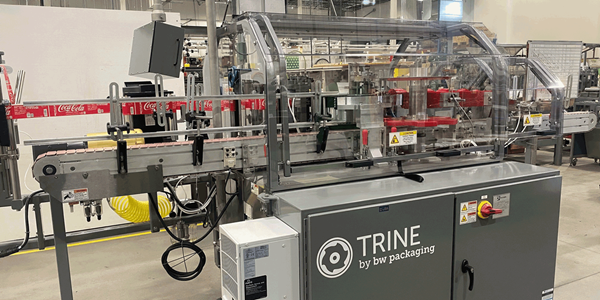
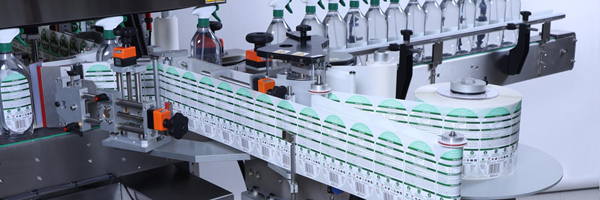
Explore BW Packaging’s portfolio of household and personal care packaging equipment, including liquid and viscous fillers, dry, powdered, and pasty fillers, cappers, can seamers, labeling systems, and end‑of‑line solutions. Designed for flexibility and dependable operation, these machines can be deployed as standalone units or integrated packaging lines to support efficient, scalable production across household and personal care applications.

Explore by Market


Related Posts
 Quick Changeover Best Practices For Modern Packaging Lines
August 28, 2025
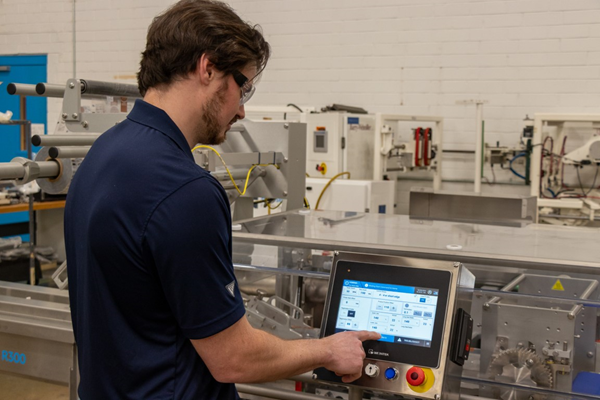
<p>At BW Packaging, we understand that packaging lines must remain agile to meet shifting consumer tastes, seasonal promotions, and fast-paced product launches. In many factories, transitioning from one product SKU to another can take hours or even days, time during which machines sit idle and production stalls. </p><p>Industry leaders must understand the importance of quick changeovers, why they’re essential for modern manufacturing, and specific best practices that maintain product quality without sacrificing production speed. Now, see how a combination of smart planning, staff training, and strategic machinery choices can transform your packaging line into a nimble, profit-driving asset. </p><h2 id="why-quick-changeovers-are-crucial">Why Quick Changeovers Are Crucial </h2><p>In a highly competitive marketplace, the ability to pivot swiftly from one product run to another can separate leading brands from those that lag behind. Quick changeovers reduce downtime, enabling you to produce more SKUs in less time and rapidly respond to <a href="https://www.bwpackaging.com/blog/pet-food-packaging-industry-trends-to-watch">market trends</a>. </p><h3 id="adapting-to-rapid-sku-expansion">Adapting to Rapid SKU Expansion </h3><p>As consumer demand shifts, brands introduce new flavors, seasonal variants, and limited-edition products at a rapid clip. This variety drives the need for changeovers, sometimes multiple times a day. If switching from one bag size or labeling requirement to another is cumbersome, you risk missing prime market windows. Alternatively, you might overproduce certain SKUs to avoid frequent changeovers, which can lead to wasted inventory or stale products. </p><p>A well-orchestrated quick changeover process allows operators to swap packaging films, adjust sealing temperatures, and reprogram weighers without a drawn-out shutdown. This responsiveness is critical for meeting tight retailer deadlines, capturing impulse-buy markets, and ensuring a consistent supply of fresh goods. </p><h3 id="minimizing-downtime">Minimizing Downtime </h3><p><a href="https://www.bwpackaging.com/blog/proactive-strategies-for-packaging-machine-maintenance" title="Proactive Strategies for Packaging Machine Maintenance | Packed with Expertise">Downtime</a> bleeds profitability. When machines aren’t running, labor, overhead, and equipment costs accumulate with no offsetting revenue. While no operation can avoid stoppages entirely, quick changeovers aim to keep them as brief as possible. Ultimately, the leaner the transition, the greater the overall throughput and the healthier the bottom line. </p><p>It’s also worth noting that poor changeover processes can cause stress among operators, leading to mistakes like incorrect sealing parameters or mislabeled packaging. By standardizing and refining each step of the changeover, you create a calmer, more predictable work environment that supports high-quality output. </p><h2 id="common-obstacles-during-line-changeovers">Common Obstacles During Line Changeovers </h2><p>Even straightforward packaging lines contain multiple machines and components, think form-fill-seal equipment, labelers, weighers, and conveyors, all of which must be realigned or reconfigured for a new SKU. Inconsistencies or delays at any one station can cascade into extended downtime. </p><p>Without a standardized approach, operators may improvise each time, resulting in missed steps or overlooked details. It’s easy for screws, tools, and parts to go missing in the shuffle, especially if they aren’t stored properly. A few obstacles during changeovers that must be overcome include: </p><ul><li><strong>Lack of Standardized Procedures</strong>: Without documented steps, staff rely on tribal knowledge that may vary widely.</li><li>Inefficient Machine Adjustments: If equipment settings must be manually dialed in each time, small errors or guesswork can create further delays.</li><li><strong>Equipment Cleaning Delays</strong>: Thorough cleaning between SKUs is often necessary—especially with allergen or hygiene concerns—but can become a bottleneck if not well planned.</li><li><strong>Limited </strong> <a href="https://www.bwpackaging.com/blog/cross-training-strategies-for-packaging-line-efficiency" title="Cross-Training Strategies for Packaging Line Efficiency | Packed with Expertise" class="font-weight-bold">Operator Training</a>: If only one or two technicians know how to do a changeover, any absence can bring the line to a standstill.</li><li><strong>Unclear Communication</strong>: Lack of real-time updates can cause operators to stand by waiting for instructions or searching for needed parts.</li></ul><p>By identifying these pain points, companies can systematically address them through standardized protocols, better training, and the right tooling strategies. </p><h2 id="best-practices-for-faster-transitions">Best Practices for Faster Transitions </h2><p>A thoughtful blend of organizational tactics and mechanical optimizations can shorten changeover times dramatically. A few steps and best practices to follow include: </p><ol><li><strong>Pre-Stage Materials</strong>:<br>Before a run ends, gather the new packaging films, labels, and product components at the line. This way, operators aren’t scrambling to locate items once it’s time to change over.</li><li><strong>Implement Quick-Release Mechanisms</strong>:<br>Minimizing the number of tools required for adjustments cuts down on fumbling or misplacement. Quick-clamp or snap-on parts let operators switch forming tubes, seal jaws, or guides with minimal fuss.</li><li><strong>Use Visual Aids and Checklists</strong>:<br>Detailed checklists eliminate memory reliance and inconsistency. A large, laminated guide near each station helps keep staff on track, ensuring essential tasks aren’t overlooked.</li><li><a href="https://www.bwpackaging.com/blog/cross-training-strategies-for-packaging-line-efficiency" title="Cross-Training Strategies for Packaging Line Efficiency | Packed with Expertise" class="font-weight-bold">Cross-Train Staff</a>:<br>If only one person knows how to adjust the weigher, any absence or backlog at that station stalls the whole line. Cross-training multiple operators fosters team collaboration, making it easier for staff to step in and handle each step of the process.</li><li><strong>Leverage Digital Controls</strong>:<br>Modern packaging machinery can store multiple recipes or parameter sets. By selecting the correct program on the control panel, operators rapidly shift from one product’s sealing temperature, fill weight, or labeling layout to another.</li></ol><p>Each of these tactics, when combined, yields a streamlined transition that not only shortens downtime but also maintains rigorous product standards. </p><h3 id="why-changeover-speed-doesnt-mean-compromised-quality">Why Changeover Speed Doesn’t Mean Compromised Quality </h3><p>A key concern is that speeding up transitions might create errors, like mislabeled packages or incomplete cleaning between SKUs. Yet, following the above best practices systematically actually helps maintain quality. <a href="https://www.bwpackaging.com/blog/quick-changeover-techniques-for-multi-product-bakery-operations" title="Quick Changeover Techniques for Multi-Product Bakery Operations | Packed with Expertise">Standardized processes</a> reduce guesswork, while pre-staging ensures that everything is ready before the line is halted. </p><h2 id="maintaining-quality-through-rapid-changeovers">Maintaining Quality Through Rapid Changeovers </h2><p>While speed is paramount, it’s crucial not to let <a href="https://www.bwpackaging.com/blog/reducing-product-damage--gentle-packaging-solutions-for-delicate-baked-goods" title="Reducing Product Damage: Gentle Packaging Solutions for Delicate Baked Goods | Packed with Expertise">product quality</a> slip. A quick changeover that leads to mislabeled or poorly sealed packages is self-defeating. Instead, quality checks should be integrated into the transition process to confirm that each new run meets specifications. </p><h3 id="checking-seals-and-fill-accuracy">Checking Seals and Fill Accuracy </h3><p>As soon as the new film roll is loaded, run a short test batch. Inspect the seals under real operating conditions. Tug at the seal to ensure it doesn’t split, check for wrinkles or gaps, and verify that the seal jaws align properly. At the same time, random samples will be weighed to confirm fill accuracy. If you notice any discrepancies, address them immediately rather than waiting until you’ve produced a large batch of off-spec product. </p><h3 id="documenting-results">Documenting Results </h3><p>Keep a record of how each changeover proceeds. Note the time taken for each step, any issues encountered, and the solutions. Over subsequent runs, look for patterns, as perhaps the same clamp causes delays or certain cleaning tasks consistently run long. </p><h2 id="scheduling-and-planning-for-frequent-changes">Scheduling and Planning for Frequent Changes </h2><p>Even with excellent systems in place, multiple daily changeovers can still strain staff and resources if not carefully scheduled. Where possible, group similar SKUs back-to-back to reduce the extent of each transition. For instance, if you package snacks in 8-ounce, 12-ounce, and 16-ounce formats, line up the runs so minimal adjustments are needed between them. Consolidate bigger leaps for the end or start of a shift when comprehensive cleaning is more convenient. </p><p>In addition, consider how shift schedules influence changeover success. If operators know a change is coming at the halfway point of a shift, they can proactively gather new materials and label reels. Similarly, a short daily meeting can highlight the upcoming schedule, ensuring everyone is aligned on priorities. This fosters accountability and reduces communication lapses. </p><h2 id="streamline-your-packaging-lines-for-greater-efficiency">Streamline Your Packaging Lines for Greater Efficiency </h2><p>A well-executed quick changeover strategy can do more than <a href="https://www.bwpackaging.com/blog/proactive-strategies-for-packaging-machine-maintenance" title="Proactive Strategies for Packaging Machine Maintenance | Packed with Expertise">cut downtime</a>; it can re-energize an entire production environment. When the staff sees that management values their efficiency and provides the right tools, morale often improves, resulting in fewer mistakes and a more cohesive team dynamic. Whether you produce confections, beverages, pharmaceuticals, or any item with frequent packaging variations, quick changeovers help you stay competitive in a fast-moving market. </p><p>By partnering with BW Packaging, you can explore machinery features, like recipe storage, quick-release assemblies, and modular designs, that inherently facilitate smoother transitions. We also offer consultancy on process optimization, ensuring each station is placed logically to minimize travel time and confusion. <a href="/contact">Contact us today</a> to learn how we can tailor advanced packaging solutions to your needs, transforming slow, error-prone changeovers into a streamlined, efficient routine. </p>
 Aftermarket Shouldn't be an Afterthought
July 9, 2024
<p style="text-align: center"><strong>The Importance of the OEM-Customer Relationship</strong></p><p style="text-align: left">Before you purchase a piece of equipment for your production line, you do your research. You consider your project and objectives, you review different manufacturers, and you may even talk to industry peers about their experiences, in other words, you put a lot of time into selecting the right equipment and supplier to help you achieve your goals. It stands to reason, then, that you want to take the same care in deciding whether to use the original equipment manufacturer (OEM) for service and parts, or whether you elect to go with a third-party provider.</p><p style="text-align: left">At BW Filling & Closing (formerly Pneumatic Scale Angelus), we believe that no matter what equipment you have, it's in your best interest to rely on the OEM's expertise and the integrity of parts designed specifically for your machine to meet your aftermarket needs. Third-party providers often make what may initially seem like good arguments to choose their product, but it's important to understand what trade-offs you might be making when you choose that path. We sat down with two of our aftermarket experts to dig in a little deeper and hear what they had to say on the subject.</p><p style="text-align: left"><strong>Q. Isn't one replacement part like another? Why bother with OEM parts?</strong></p><p style="text-align: left"><strong>A. Replacement parts are as unique as the machine that was designed and built to achieve your specific goals. </strong>As Matt Spiegel, Vice President of Customer Service explains, "We have the history and knowledge and technical ability to support all the equipment we design and manufacture. The ability to look up old prints for reference.... All design upgrades and improvements are meticulously documented to make sure you get the latest version of a part — the one intended for your specific piece of equipment. A third-party provider will not have that history or know why something was designed the way it was, or why one material was chosen over another, to make sure parts and machines interact correctly. [Our customers] take comfort in knowing parts are designed and made correctly." In the end, third-party suppliers must rely on reverse engineering the design versus following the latest design specification for a given part. As a result, you can never be certain the version they modeled your part after is the most current, with all of its respective updates and enhancements.</p><p style="text-align: left">Jet Hajec, our Vice President of Seamer Sales adds another important point. "There's a guarantee and warrantee that the OEM stands behind that a third-party or aftermarket rebuilder doesn't provide. And we make it easy to get replacements quickly — simply provide the model and serial number of your machine and the part number you need, and we can usually ship it the same day."</p><p style="text-align: left"><strong>Q. Is all of your equipment designed and built to meet individual project goals?</strong></p><p style="text-align: left"><strong>A. Yes, with the exception of our industry-leading Angelus seamers, all of our machines are designed to the unique specifications of each customer's application. </strong>"Working with an OEM, you are getting the solution and parts designed to work with your specific machine," says Matt. "The measurements, fit and materials will be identical to, or an upgrade of, the originals. Which means the precision, speed and efficiency of your production line will be like new."</p><p style="text-align: left">Compare this with what you get with many third-party components. They simply don't have the hand-in-glove fit that the OEM piece will have because they aren't manufactured using the original designs. And third-party replacement parts can be noticeably thinner than the originals. Thinner parts may cost less initially, but they won't last as long and are likely to warp or snap, meaning you'll spend more money to replace them more often. You won't get the same reliability or longevity out of them as an OEM part, and your overall performance is likely to suffer.</p><p style="text-align: left"><strong>Q. What do your repairmen do that others don't?</strong></p><p style="text-align: left"><strong>A. First, we don't use repairmen, we send fully trained Field Service Technicians to work on our equipment. </strong> They may be Certified Technicians, Technical Specialists or Technical Masters, or a combination of the three, depending on the complexity of the work required.</p><p style="text-align: left">A third-party repairman's goal is to quickly install a replacement part, get the machine running, and get back to the shop. As an OEM Service Technician, our experts not only get your equipment running again, but they'll ensure it is tuned specifically to restore it to its original operational specifications. They'll look at the overall performance of the machine, noting anything that might keep if from achieving your production goals. Our experts can also identify preventive measures or upcoming maintenance that can be completed during the repair that will enable you to avoid downtime and additional expense later. That's part of our OEM commitment to service.</p><p style="text-align: left"><strong>Q. What if my equipment isn't one of your brands? Will you still provide parts and service?</strong></p><p style="text-align: left"><strong>A. Absolutely! You don't have to own our equipment to be part of the BW Filling & Closing family! </strong> Zepf Solutions is our industry-leading change parts and storage solutions provider. They provide tool-free change parts for fast changeovers, regardless of machine brand. Their storage solutions improve efficiency and decrease downtime and waste.</p><p style="text-align: left">In order to protect your warranty on another OEM's machine, we won't repair equipment that isn't ours, but many customers do elect to try our aftermarket services before investing in our equipment. "There is less risk for the customer on aftermarket," says Jet. "This is our time to demonstrate how we handle small projects — a mechanical or electrical upgrade, for example — with a sense of urgency. To showcase our ability to support your essential equipment in the field. We pride ourselves on building a relationship with our customers, so that, ultimately, they say 'Yes, we trust BW Filling & Closing, their equipment and their team.' You start small and build on that foundation."</p><p style="text-align: left"><strong>Q. Are there benefits to using my OEM for aftermarket products and services?</strong></p><p style="text-align: left"><strong>A. Yes. In addition to having a company that stands behind its work, the things that are important to BW Filling & Closing as an OEM are just as important when we are providing parts and service. </strong> "Safety is important," Jet says. "It's rare that you hear that a third-party provider has category 3 safety features — or that it's engineered for redundancy or wiring or machine-mounted safety features. This is an OSHA requirement. We will not let a machine out of one of our manufacturing facilities unless it's properly guarded. Being the OEM, you're held to a certain level. An expectation. And you don't walk away from that responsibility. We're heavily invested in the product we've designed and innovated. A third-party provider just doesn't have that same level of investment."</p><p style="text-align: left">Another key advantage with an OEM is that we will repair your equipment, regardless of its age. Matt says. "I recently quoted a part for a machine built in 1917! It's fairly common that we see parts from 60 to 70 years ago. Our service Techs know how to work on all makes and models, and it's the same for Customer Service and Sales. We support machines from over a century ago. We think that's pretty unique in this industry."</p><p style="text-align: left">When BW Filling & Closing is your OEM, letting us serve your aftermarket needs further enhances the long-term relationship we strive to build with you. Jet explains, "The end goal is to be a trusted advisor — a true partner in your success. It's not always about selling, but about being a valuable source of expertise, capable of offering the best solution. Some companies teach against building relationships. It's not that way with our team. From the Sales Exec to the Field Service Technician, to the Customer Service rep, we try to provide as many touch points as possible. We also have the backing of Barry-Wehmiller and the network of our sister companies who can provide solutions, too."</p><p style="text-align: left">Matt seconds this approach. "Number one is building the relationship. Making sure customers have appropriate names and numbers they can call for help, making sure we're responsive. It can be customer service, field service, outside sales...the relationship is what drives our business. Provide quality solutions in a timely manner. Be keenly aware of the customer's requirements. Make sure the correct questions are asked, and that timely follow-up happens."</p><p style="text-align: left">Jet went on to explain that he — and the entire BW Filling & Closing team — believes firmly in the principles outlines in the Top Gun sales training program about the importance of serving your customer, which he summarizes this way: "the attitude of servitude — be a servant to your clients. Strength comes from service. Loyalty comes from service. We never forget that each customer is running production. When production stops, there is nothing more important than accessibility and urgency."</p><p style="text-align: left">For more information on the benefits or our Aftermarket capabilities, contact us. We're happy to be of service.</p><p style="text-align: left"> </p><p style="text-align: left"><strong>About the Experts</strong></p><p style="text-align: left"><strong>Jet Hajec, Vice President of Seamer Sales, </strong>has been with BW Filling & Closing for his entire 25+-year career. He started in Customer Service, where he worked for two years before taking over an Outside Sales territory. In 2008 he was promoted to a leadership role in Aftermarket Sales, where he worked on the full range of filling and closing products, from fillers, cappers and seamers to Zepf change parts and storage carts. He moved to his current position as Vice President of Seamer Sales in 2023.</p><p style="text-align: left"><strong>Matt Spiegel, Vice President of Customer Service,</strong> has been with BW Filling & Closing for over 22 years. He started in Customer Service, where he helped acquire the Mateer-Burt product lines, integrating them into the business and serving as the primary contact. Matt then moved to Outside sales for Aftermarket for 10 years. He was asked to rejoin Customer Service as the head of the Akron and California teams, which encompass the largest part of BW Filling & Closing's aftermarket business. After 8 years, Matt was promoted to his current position, where he is responsible for Customer Service globally.</p><p style="text-align: left"><strong> </strong></p>
 The Top 5 Ways to Extend the Life of Your Machinery
August 20, 2024
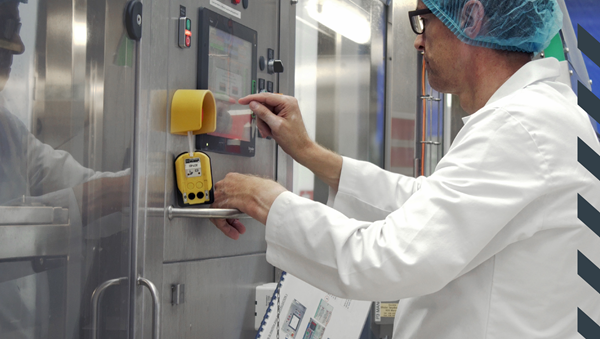
<h2><span style="background-color: rgba(0, 0, 0, 0); font-family: inherit; font-size: inherit; text-align: inherit; text-transform: inherit; word-spacing: normal; caret-color: auto; white-space: inherit">OPTIMIZING YOUR AFTERMARKET PACKAGING OPERATIONS: FROM CONCEPT TO EXECUTION </span></h2><p><span style="background-color: rgba(0, 0, 0, 0); color: inherit; font-family: inherit; font-size: inherit; text-align: inherit; text-transform: inherit; word-spacing: normal; caret-color: auto; white-space: inherit">In today's fast-paced CPG market (Consumer Packaging Goods), the efficiency and durability of operations is crucial for maintaining a competitive edge. This article summarizes insights from BW Filling & Closing's (BWFC) expertise across five key areas of the aftermarket business, providing a comprehensive guide to optimizing packaging processes, from product qualification to operational expenditure. </span><br></p><div><span style="background-color: rgba(0, 0, 0, 0); color: inherit; font-family: inherit; font-size: inherit; text-align: inherit; text-transform: inherit; word-spacing: normal; caret-color: auto; white-space: inherit">BWFC experts are sharing and giving solutions to the most common issues faced by manufacturers on their machines. Download the complete guide <a data-sf-ec-immutable="" target="_blank" href="https://synerlink-go.bwpackagingsystems.com/aftermarket-guide#form-to-subscribe"><strong>“How to Care for Your Equipment” </strong></a><strong> </strong></span><br></div><div><p> </p></div><h2>NAVIGATING PACKAGING COMPLEXITY </h2><p><span style="background-color: rgba(0, 0, 0, 0); color: inherit; font-family: inherit; font-size: inherit; text-align: inherit; text-transform: inherit; word-spacing: normal; caret-color: auto; white-space: inherit">The landscape of packaging is constantly evolving, driven by consumer preferences, technological advancements, and sustainability demands. To thrive, companies must ensure their packaging operations are efficient and adaptable to new products and market trends. </span>BWFC<span style="background-color: rgba(0, 0, 0, 0); color: inherit; font-family: inherit; font-size: inherit; text-align: inherit; text-transform: inherit; word-spacing: normal; caret-color: auto; white-space: inherit">'s comprehensive approach addresses these needs through innovative solutions and expert guidance to help extend the life of your equipment. Discover </span>BWFC<span style="background-color: rgba(0, 0, 0, 0); color: inherit; font-family: inherit; font-size: inherit; text-align: inherit; text-transform: inherit; word-spacing: normal; caret-color: auto; white-space: inherit">’s approach and explore the top five ways to care for your packaging equipment: </span></p><p> </p><h2>1. OPTIMIZE OPERATIONAL EXPENDITURES (OPEX) </h2><p><span style="background-color: rgba(0, 0, 0, 0); color: inherit; font-family: inherit; font-size: inherit; text-align: inherit; text-transform: inherit; word-spacing: normal; caret-color: auto; white-space: inherit">Efficient management of operational expenditures is vital for maximizing profitability and ensuring business continuity. Key strategies include optimizing raw materials, minimizing product loss, and implementing preventive maintenance plans. </span>BWFC <span style="background-color: rgba(0, 0, 0, 0); color: inherit; font-family: inherit; font-size: inherit; text-align: inherit; text-transform: inherit; word-spacing: normal; caret-color: auto; white-space: inherit">supports clients with services such as packaging design proposals, machine upgrades, and tailored service contracts. These efforts help reduce OpEx while enhancing equipment efficiency and reliability. </span><br></p><p><span style="background-color: rgba(0, 0, 0, 0); color: inherit; font-family: inherit; font-size: inherit; text-align: inherit; text-transform: inherit; word-spacing: normal; caret-color: auto; white-space: inherit">Read the full guide on <a data-sf-ec-immutable="" target="_blank" href="https://www.synerlink.com/about-us/blog/blog/2024/01/23/packaging-opex-crash-course--a-plant-manager-s-guide-to-optimizing-operational-expenditures"><strong>how to optimize Opex</strong></a></span><span style="background-color: rgba(0, 0, 0, 0); color: inherit; font-family: inherit; font-size: inherit; text-align: inherit; text-transform: inherit; word-spacing: normal; caret-color: auto; white-space: inherit"><strong> </strong></span><br></p><p> </p><h2>2. ENHANCE TECHNICAL EFFICIENCY FOR AFTERMARKET EXCELLENCE </h2><p><span style="background-color: rgba(0, 0, 0, 0); color: inherit; font-family: inherit; font-size: inherit; text-align: inherit; text-transform: inherit; word-spacing: normal; caret-color: auto; white-space: inherit">Technical efficiency is a cornerstone of productive packaging operations. It directly impacts overall equipment effectiveness (OEE) by reducing waste, extending production cycles, and improving safety. </span>BWFC <span style="background-color: rgba(0, 0, 0, 0); color: inherit; font-family: inherit; font-size: inherit; text-align: inherit; text-transform: inherit; word-spacing: normal; caret-color: auto; white-space: inherit">offers tools to help monitor efficiency and optimizing maintenance practices. By focusing on technical efficiency, companies can achieve reliable and cost-effective operations, setting the foundation for aftermarket excellence. </span><br></p><p><span style="background-color: rgba(0, 0, 0, 0); color: inherit; font-family: inherit; font-size: inherit; text-align: inherit; text-transform: inherit; word-spacing: normal; caret-color: auto; white-space: inherit">Learn more about <a data-sf-ec-immutable="" target="_blank" href="https://www.synerlink.com/about-us/blog/blog/2024/02/21/packaging-equipment-technical-efficiency-a-cpg-s-first-step-to-aftermarket-excellence"><strong>how to enhance Technical Efficiency </strong></a></span><br></p><p><span style="background-color: rgba(0, 0, 0, 0); color: inherit; font-family: inherit; font-size: inherit; text-align: inherit; text-transform: inherit; word-spacing: normal; caret-color: auto; white-space: inherit"> </span></p><h2>3. ALIGN AFTERMARKET PROGRAMS WITH MARKETING INITIATIVES </h2><p><span style="background-color: rgba(0, 0, 0, 0); color: inherit; font-family: inherit; font-size: inherit; text-align: inherit; text-transform: inherit; word-spacing: normal; caret-color: auto; white-space: inherit">Marketing-driven goals such as sustainability and premiumization often result in packaging changes. </span>BWFC <span style="background-color: rgba(0, 0, 0, 0); color: inherit; font-family: inherit; font-size: inherit; text-align: inherit; text-transform: inherit; word-spacing: normal; caret-color: auto; white-space: inherit">helps bridge the gap between marketing and production by providing machine adaptation planning and expertise in packaging design. By aligning aftermarket programs with marketing strategies, companies can achieve seamless transitions and maintain production efficiency. For example, customers who are ready to switch to sustainable materials such as PET for their packaging allow </span>BWFC <span style="background-color: rgba(0, 0, 0, 0); color: inherit; font-family: inherit; font-size: inherit; text-align: inherit; text-transform: inherit; word-spacing: normal; caret-color: auto; white-space: inherit">to demonstrate the benefits of this collaborative approach. </span><br></p><p>Read the case study and learn more about <a data-sf-ec-immutable="" target="_blank" href="https://www.synerlink.com/about-us/blog/blog/2024/03/20/aligning-aftermarket-programs-with-marketing"><strong>aligning aftermarket programs with Marketing</strong></a></p><p> </p><h2>4. OPTIMIZE SPARE PARTS WITH A RELIABLE PLAN </h2><p><span style="background-color: rgba(0, 0, 0, 0); color: inherit; font-family: inherit; font-size: inherit; text-align: inherit; text-transform: inherit; word-spacing: normal; caret-color: auto; white-space: inherit">A reliable spare parts plan is essential for minimizing production downtime and maintaining efficiency. </span>BWFC <span style="background-color: rgba(0, 0, 0, 0); color: inherit; font-family: inherit; font-size: inherit; text-align: inherit; text-transform: inherit; word-spacing: normal; caret-color: auto; white-space: inherit">emphasizes the importance of sourcing parts directly from OEMs to ensure compatibility and reliability. Stocking high-demand parts and utilizing customized kits tailored to specific machinery needs can prevent costly delays. </span>BWFC<span style="background-color: rgba(0, 0, 0, 0); color: inherit; font-family: inherit; font-size: inherit; text-align: inherit; text-transform: inherit; word-spacing: normal; caret-color: auto; white-space: inherit">'s global delivery capabilities and extensive inventory ensure quick access to essential components, reducing the risk of prolonged disruptions. </span><br></p><p><span style="background-color: rgba(0, 0, 0, 0); color: inherit; font-family: inherit; font-size: inherit; text-align: inherit; text-transform: inherit; word-spacing: normal; caret-color: auto; white-space: inherit">Discover <a data-sf-ec-immutable="" target="_blank" href="https://www.synerlink.com/about-us/blog/blog/2024/04/23/optimizing-spare-parts--how-to-build-a-reliable-spare-parts-aftermarket-plan"><strong>how to build a reliable spare parts plan </strong></a></span><br></p><p> </p><h2>5. QUALIFY NEW PRODUCTS </h2><p><span style="background-color: rgba(0, 0, 0, 0); color: inherit; font-family: inherit; font-size: inherit; text-align: inherit; text-transform: inherit; word-spacing: normal; caret-color: auto; white-space: inherit">Launching new products requires careful consideration of existing equipment capabilities. </span>BWFC <span style="background-color: rgba(0, 0, 0, 0); color: inherit; font-family: inherit; font-size: inherit; text-align: inherit; text-transform: inherit; word-spacing: normal; caret-color: auto; white-space: inherit">recommends a structured approach to product qualification, involving lab tests, on-site evaluations, and detailed reporting. This process helps identify potential challenges early, allowing for necessary adjustments and ensuring seamless integration into production lines. By collaborating closely with original equipment manufacturers (OEMs), companies can mitigate risks and ensure a smooth transition from concept to market. </span><br></p><p><span style="background-color: rgba(0, 0, 0, 0); color: inherit; font-family: inherit; font-size: inherit; text-align: inherit; text-transform: inherit; word-spacing: normal; caret-color: auto; white-space: inherit">Uncover </span> <a data-sf-marked="" data-sf-ec-immutable="" target="_blank" href="https://www.synerlink.com/about-us/blog/blog/2024/05/29/from-lab-to-launch-qualifying-new-products-and-packaging-for-your-existing-packaging-equipment"><strong>what makes an effective product qualification process </strong></a><br></p><p> </p><h2>EXTEND THE LIFE OF YOUR MACHINERY WITH BWFC</h2><p><span style="background-color: rgba(0, 0, 0, 0); color: inherit; font-family: inherit; font-size: inherit; text-align: inherit; text-transform: inherit; word-spacing: normal; caret-color: auto; white-space: inherit">To stay competitive in the market while saving on costs, a proactive aftermarket strategy is essential. </span>BWFC<span style="background-color: rgba(0, 0, 0, 0); color: inherit; font-family: inherit; font-size: inherit; text-align: inherit; text-transform: inherit; word-spacing: normal; caret-color: auto; white-space: inherit">'s comprehensive aftermarket tactics including optimizing OpEx, product qualification, technical efficiency and more, helps brands stay prepared and ensures longevity in your packaging equipment. Access more expert insight from </span>BWFC <span style="background-color: rgba(0, 0, 0, 0); color: inherit; font-family: inherit; font-size: inherit; text-align: inherit; text-transform: inherit; word-spacing: normal; caret-color: auto; white-space: inherit">today with the complete guide <a data-sf-ec-immutable="" target="_blank" href="https://synerlink-go.bwpackagingsystems.com/aftermarket-guide#form-to-subscribe"><strong>“How To care For Your Equipment” </strong></a></span><span style="background-color: initial; font-family: inherit; font-size: inherit; text-align: inherit; text-transform: inherit; word-spacing: normal; caret-color: auto; white-space: inherit"></span></p>