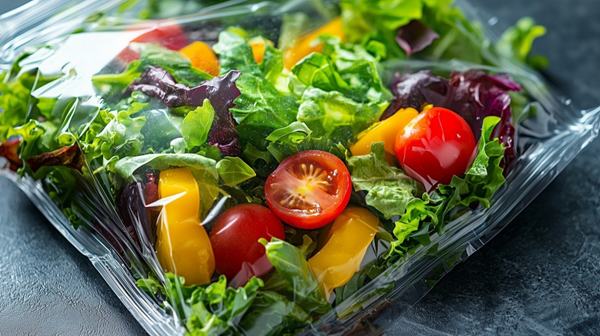
Fresh Produce
Fresh produce packaging demands gentle handling and consistent bag quality to help maintain product appearance and freshness through distribution. Packaging systems must support reliable operation while minimizing product stress.
BW Packaging provides VFFS bagging and end‑of‑line solutions designed to support efficient, repeatable fresh produce packaging operations.
Explore by Equipment
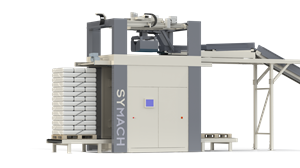
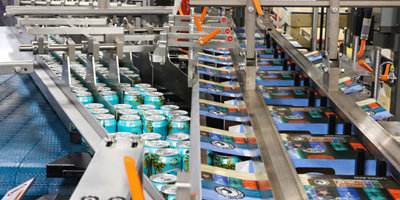
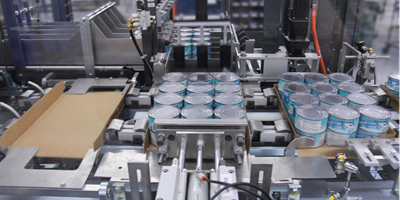
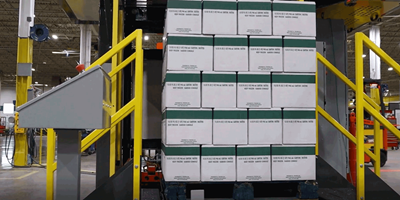
Explore produce packaging equipment including VFFS baggers and end‑of‑line solutions, configured as standalone machines or integrated systems.
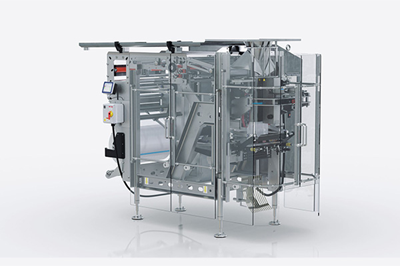
“We've not had any issues with them (Hayssen Ultima), minimal upkeep. They just keep on running. And now with this ISB it's just an improvement on what we already had.”JON NELSON, VP OF OPERATIONS AT PEARSON FOODS
Read the full testimonial
Related Posts
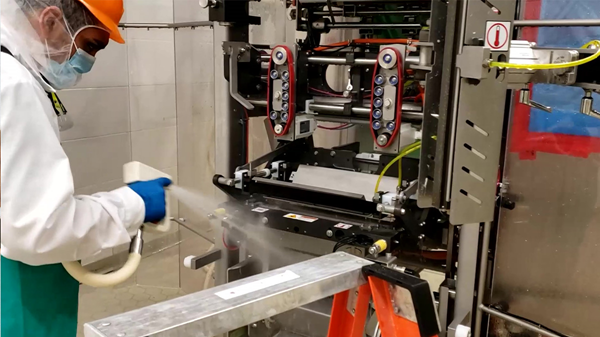 How to Reduce Food Safety Risks Through Hygienic Packaging Equipment Design
August 12, 2026
<p><em>Reports of contaminated foods, associated recalls, and impacts on manufacturers and their customers are in the news regularly. Globally, 866 million people are sickened each year by contaminated food, according to the </em><a data-sf-ec-immutable="" href="https://www.who.int/news-room/fact-sheets/detail/food-safety"><em>World Health Organization</em></a><em>. According to the Center for Disease Control (CDC), produce accounts for nearly 50% of outbreaks. For food manufacturers, direct recall costs, such as product retrieval, reimbursement and fines, start at millions of dollars per event. That does not include the costs of the interruption to the manufacturer’s business, lost revenue from cancelled or delayed contracts, insurance increases, which can be an additional hit of 3–5 times as much. The cost to your brand reputation is incalculable.</em></p><p><em>While what happens in the fields and on the way to your plant is difficult to control, you can make sure your production line follows current Good Manufacturing Practices (cGMPs) with the right approach. The manufacturer of your packaging equipment can be a valuable ally in helping you ensure your production line is sanitary.</em></p><p>Strategic equipment choices, innovative design features and a strong Original Equipment Manufacturer (OEM) partner can help lower your risk. </p><div align="center"></div><h2></h2><h2><strong>Problem Areas for Product Contamination—What to Watch For</strong></h2><h3><strong>Temperature Control</strong></h3><p>Maintaining produce and other food products at the proper temperature is the first step in preventing bacterial growth. Temperature controlled transportation and storage makes this easy to accomplish. </p><h3><strong>Production Environment</strong></h3><p>The area around your production line, both above and below, should be inspected for problems such as leaky pipes and backed up floor drains. Even when functioning properly, these areas, along with air compressors, need to be monitored as places where excessive moisture, including condensation, can create a welcoming environment for bacteria. </p><p>Despite needing to control moisture in the production area, one of the most important things you can do to prevent contamination is maintain and document a robust cleaning schedule. Follow the OEM’s recommended cleaning procedures and frequency, adding to it as needed by any regulatory agency guidelines with which you need to comply. Be sure to keep a record of the schedule and process for inspection purposes.</p><p>Within your production line, the only place product is actually touching the machine is in the forming tub. Gas flushing here removes oxygen, replacing it with gases such as nitrogen or carbon dioxide. In addition to stopping the growth of bacteria, the gas helps preserve product freshness, while also creating a pillow that protects against crushing. If you aren’t currently using a gas flush system, it can be added to an existing packaging line. Your OEM should be able to suggest which gas is the best for the products you package. </p><h3><strong>Transition Points</strong></h3><p>Places where packaging materials or products are transferred between processes can also be places of risk. These can include loading film rolls, catch pans where product can accumulate, and moving packaged goods to sealing stations. Watch for places with multiple risk factors: human interaction with product, places where product residue can accumulate, and complex equipment. </p><h2><strong>Equipment Design Features that Support Your Sanitation/Hygiene Goals</strong></h2><strong></strong><p>In addition to taking advantage of gas flush technology, there are other ways the design of your packaging equipment contributes to how hygienic your product line is. </p><h3><strong>Hygienic Design Principles</strong></h3><p>The guidelines below ensure that machines are engineered and built to be free of cracks and crevices where bacteria, debris and moisture can gather. Important features of Hygienic Design are:</p><ul><li>Using continuous welds instead of spot welds</li><li>Sloped surfaces so water runs off</li><li>Changing from tubular frames to flat frames to prevent moisture from getting inside the frame</li><li>The use of standoffs to keep bearings and drives, where debris can be caught, out of product zones </li><li>Machine accessibility—your operators and maintenance team should have easy access to every part of the machine to do the thorough cleaning required to prevent the growth of bacteria</li></ul><p>Some OEMs work to achieve special certifications for the markets they serve. For example, BW Packaging proudly maintains 3-A certification, earned through a rigorous authorization and inspection process. The USDA also provides certification, and BW Packaging’s <a data-sf-ec-immutable="" href="https://www.bwpackaging.com/products/flexible-bagging-wrapping/vertical-form-fill-seal/hayssen-isb">Hayssen ISB (Intelligent Sanitary Bagger)</a> has received USDA Dairy Acceptance, as well as USDA Meat and Poultry Acceptance.</p><h3><strong>How to Choose the Right Materials in Your Packaging Equipment<s></s></strong></h3><p>Translating a sanitary design into a hygienic machine begins with the materials used. Be sure your OEM partner uses not just stainless steel, but a food-grade stainless steel (304 or 316) on your packaging machinery. Food grade stainless steel will stand up to harsh chemicals, brine, acidic products such as tomatoes or citrus, and provide better resistance to corrosion and pitting. </p><p>Although less expensive steel can be used, the reduction in the ability to maintain the hygiene of your production line, the lower lifespan of the equipment under harsh conditions, and the long-lasting harm to your brand can make this choice more expensive in the long run. Most importantly, food grade stainless steel is fundamental to having an effective Clean-in-Place (CIP) procedure.</p><h3><strong>Advantages of Clean-in-Place Systems</strong></h3><p>The sanitation of your product line can be transformed by a CIP system. CIP delivers precise cleaning solutions to every equipment surface, reaching areas that manual cleaning might miss. </p><p>However, it’s a rigorous process, which is why food grade stainless steel is so important. Your machine must be able to withstand the strong cleaning products and high temperatures of a CIP procedure on a regular basis. </p><h3><strong>Look for an OEM Who Plans for Your Sanitation Success</strong></h3><p>An example of how design and material can come together to meet the most exacting sanitary needs is BW Packaging’s <a data-sf-ec-immutable="" href="https://www.bwpackaging.com/products/flexible-bagging-wrapping/vertical-form-fill-seal/hayssen-isb">Hayssen ISB</a>. Packaging everything from frozen meal kits to pre-sliced apples, the ISB is engineered for wet production environments, yet still meets the highest hygienic and food safety standards. Its sanitary design withstands IP66 wash down can help reduce cross-contamination risks, ensuring product integrity throughout your operation.</p><p>BW Packaging’s engineers didn’t overlook the demands of real-world production in their design, though. The ISB provides speed, accuracy and reliable high-integrity seals. In addition, with the award-winning <a href="https://www.youtube.com/watch?v=-vELQglvuHc" data-sf-ec-immutable="" data-sf-marked="">OpView™ HMI</a>, your operators can quickly set up, run, troubleshoot and even changeover the line to meet your production objectives. Step-by-step instructions enable your operators to maximize machine speed and productivity. </p><p>Investing in packaging equipment that is engineered to help you prevent food borne illness and cross contamination is far more cost effective than dealing with the ramifications of an outbreak at your production facility. Through engineering and innovation, your OEM partner will be able to help you avoid the sanitation problems faced by others in the market. </p><p>Ready to enhance your facility’s bacterial contamination strategy? BW Packaging is happy to review your current operation and explore hygienically designed packaging solutions that will meet your needs and keep you out of the headlines. <a data-sf-ec-immutable="" href="https://www.bwpackaging.com/contact"><strong>Contact Us</strong></a> today.</p><div><div><div id="_com_1"><p> </p></div></div></div><div><div><div id="_com_3"><p> </p></div></div></div><h2></h2>
.tmb-webp-md.webp?Culture=en&sfvrsn=dc3b535f_0) Fresh Produce Packaging Challenges: Solutions for Extended Shelf Life
Fresh Produce Packaging Challenges: Solutions for Extended Shelf Life
August 5, 2025
<p>At BW Flexible Systems, we understand that keeping produce fresh and appealing requires a delicate balance of technology, handling practices, and packaging strategies. Next, we will dive into the key obstacles faced with fresh produce packaging, alongside proven methods for extending shelf life and maintaining food safety. You'll discover why specialized materials, precise atmosphere control, and robust production workflows are essential for meeting the high expectations of consumers and retailers.</p><p>Now, get a clearer picture of how the Hayssen line of vertical form-fill-seal (VFFS) baggers can help you rise to these challenges and secure a reputation for delivering top-quality produce.</p><h2 id="why-fresh-produce-requires-specialized-packaging">Why Fresh Produce Requires Specialized Packaging</h2><p>Agriculture products, like fresh produce, are inherently perishable. Unlike shelf-stable products, fruits and vegetables remain “alive” after harvest, continuing to respire and experience biochemical changes that influence taste, texture, and shelf life. Consequently, even the slightest misstep in packaging can accelerate spoilage and degrade the final product.</p><h3 id="natural-respiration-rates">Natural Respiration Rates</h3><p>Every piece of produce, from leafy greens to stone fruit, consumes oxygen and releases carbon dioxide after harvest. This metabolic process continues until the produce either spoils or is consumed, driving key changes such as flavor development, color shifts, and eventual decay. Packaging materials and designs must account for this ongoing respiration by allowing some degree of gas exchange, where appropriate. Overly restrictive packaging can trap excess CO2 and moisture, creating an environment conducive to mold or off-flavors. Conversely, packaging with too much airflow may cause excessive dehydration and wilting.</p><p>Balancing these opposing forces is a core objective for anyone trying to extend freshness. By regulating oxygen intake and CO2 release, packaging can effectively slow the ripening process, giving producers and retailers more time to move their products. Achieving that delicate equilibrium often involves specialized films or techniques like modified atmosphere packaging (MAP), both of which we'll cover in detail later.</p><h3 id="sensitivity-to-temperature-and-humidity">Sensitivity to Temperature and Humidity</h3><p>In addition to respiration, produce quality is highly sensitive to temperature and humidity fluctuations. Most fruits and vegetables thrive in cold chain conditions that reduce metabolic rates, thereby slowing the onset of spoilage. However, abrupt temperature changes, such as moving items from a chilled warehouse to a warm packaging station, can spark condensation, leading to mold growth or accelerated wilting. High humidity levels, while beneficial for preventing dehydration, can invite bacterial proliferation if not carefully controlled.</p><p>These environmental sensitivities mean packaging lines must be designed with climate considerations in mind. Cooling produce prior to packaging, maintaining suitable humidity levels during sealing, and swiftly returning items to cold storage can each dramatically improve shelf life. If temperature and humidity are not monitored consistently, even the most advanced packaging solutions may fall short.</p><h2 id="common-obstacles-in-fresh-produce-packaging">Common Obstacles in Fresh Produce Packaging</h2><p>A myriad of issues can surface when dealing with produce packaging, all of which can disrupt production schedules and lead to quality or safety concerns. A proactive, integrated approach is vital for tackling these challenges head-on.</p><p>A few of the most prevalent hurdles include:</p><ul><li>Limited Shelf Life: High perishability demands quick turnaround times, and extended storage can result in shrinkage due to spoilage.</li><li>Physical Damage: Mishandling or compression can produce bruises, hasten decay, and create an unappealing visual presentation.</li><li>Moisture Control: Too much moisture fosters microbial growth, while too little causes dehydration and textural deterioration.</li><li>Temperature Fluctuations: Even minor variations outside optimal ranges can cause internal breakdowns, discoloration, and nutrient loss.</li><li>Regulatory Compliance: Increasing food safety requirements means traceability, labeling, and record-keeping must be precise and transparent.</li></ul><p>Addressing these obstacles systematically helps maximize yield, ensuring your produce reaches consumers in prime condition.</p><h2 id="advanced-materials-and-modified-atmosphere-techniques">Advanced Materials and Modified Atmosphere Techniques</h2><p>Combining high-performance packaging materials with innovative atmospheric controls can create a stable, protective environment around fresh produce. The objective is twofold: to slow the aging process and safeguard against microbial threats, all while preserving each product's natural qualities.</p><h3 id="high-barrier-films-for-produce">High-Barrier Films for Produce</h3><p>In many cases, multi-layer plastic films serve as an effective barrier, preventing oxygen from penetrating and trapping the CO2 produced by respiration. This helps maintain an atmosphere that slows ripening. Some advanced films also incorporate anti-fog treatments, keeping visibility clear so consumers can see the product without condensation buildup.</p><p>Choosing the right film means considering factors like the produce's respiration rate, desired shelf life, and storage temperature. For items that release substantial moisture, micro-perforated or breathable films can allow excess water vapor to escape, preventing a soggy environment. Ultimately, film selection hinges on balancing oxygen, CO2, and moisture levels to create optimal conditions for each specific fruit or vegetable.</p><h3 id="map-modified-atmosphere-packaging">MAP (Modified Atmosphere Packaging)</h3><p>Modified Atmosphere Packaging (MAP) is a step beyond using barrier films alone. By actively replacing the ambient air within the package with a custom mix of gases, commonly nitrogen, carbon dioxide, and a precise measure of oxygen, processors can significantly delay spoilage. This method works particularly well for delicate greens, berries, and salad mixes, which suffer quick nutrient and color losses if their environment isn't controlled.</p><p>Implementing MAP may require specialized machinery capable of flushing the package with the chosen gas blend just before sealing. However, the return on this investment can be substantial, as products exhibit noticeably prolonged shelf life and maintain better visual appeal. Nonetheless, MAP can be more complex to manage, as certain produce varieties react differently to gas compositions, and overexposing items to high CO2 can lead to off-odors or flavors.</p><h2 id="leveraging-technology-for-extended-shelf-life">Leveraging Technology for Extended Shelf Life</h2><p>Staying at the forefront of fresh produce packaging often involves adopting cutting-edge equipment and data-driven methods that improve process control. A few key steps involved in leveraging technology to extend shelf life include:</p><ol><li>Pre-Cooling: Rapidly reducing field heat slows metabolic activity. Proper pre-cooling helps preserve color and nutrients.</li><li>Accurate Weighing and Portioning: Automated weighers ensure consistent packaging weights, allowing for uniform distribution and eliminating confusion at checkout.</li><li>Intelligent Seal Monitoring: Sensor-based systems detect leaks or incomplete seals, preventing compromised packages from leaving the facility.</li><li>Integrated Sensors: Temperature, humidity, and even respiratory sensors can track internal package conditions, alerting operators to anomalies.</li><li>Data Recording: Detailed logs of packaging conditions and lot numbers enable traceability and expedite any necessary recalls.</li></ol><p>By weaving these practices together, producers form a robust network of quality checks, each one reinforcing the stability and freshness of the final product.</p><h2 id="strategies-for-efficient-produce-packaging-lines">Strategies for Efficient Produce Packaging Lines</h2><p>Operational excellence requires designing a smooth, logical workflow. Inefficiencies in product flow or suboptimal line layouts can undercut the benefits of advanced packaging techniques.</p><h3 id="layout-and-workflow">Layout and Workflow</h3><p>The journey from harvest to packaging should be as brief and untroubled as possible. Post-harvest cleaning or sorting stations ideally feed directly into the weighing and filling segment, minimizing time in uncontrolled environments. Automated conveyors can position items accurately, reducing manual handling that might cause bruising or contamination. Ensuring that each section is ergonomically designed also helps maintain worker productivity and safety.</p><p>When building a new facility or retrofitting an existing one, many packers use process mapping to visualize where slowdowns might occur. This can highlight whether adding a buffer station before delicate tasks, such as sealing, could improve throughput. The key is keeping perishable items in the best possible environment during every stage, never letting them languish in hot or humid conditions for too long.</p><h3 id="packaging-design-considerations">Packaging Design Considerations</h3><p>Packaging also involves how those elements come together around the product. Clamshell packaging, for example, offers sturdy physical protection for berries, while vented bags might serve better for certain root vegetables and lettuce. Operators must also account for labeling space, whether that includes branding, nutritional facts, or quick-response (QR) codes for traceability.</p><p>In addition, clear instructions regarding correct disposal or recycling can appeal to eco-conscious consumers. Shelf presence matters, too. Eye-catching graphics and windows showcasing the freshness of the product can drive sales. By aligning packaging design with produce needs, brand identity, and consumer interests, companies can transform what might otherwise be a simple container into a persuasive marketing tool.</p><h2 id="maximizing-shelf-life-through-temperature-control">Maximizing Shelf Life Through Temperature Control</h2><p>Even the most sophisticated films and sealing methods can't compensate for lax temperature management. From the moment produce is harvested, it's locked in a race against time as internal chemical and biological reactions keep ticking onward.</p><h3 id="the-cold-chains-impact-on-packaging">The Cold Chain's Impact on Packaging</h3><p>Keeping produce in the proper temperature zone is vital for preserving flavor, texture, and overall appearance. If the packaged goods fluctuate between cold and warm environments, condensation can form inside the bag or container, boosting microbial growth or prompting wilt. Cold chain oversight extends not just through the packaging line but also into storage and distribution. Palletized items often need to be placed in climate-controlled trucks or containers, ensuring they don't suffer temperature spikes while in transit.</p><p>Producers aiming for broader markets, such as international export, should maintain meticulous logs of temperature readings from packaging to arrival. Even short-term deviations can nullify the benefits of advanced packaging, as spores or bacteria may flourish unseen until the product is on shelves.</p><h3 id="handling-seasonal-variations">Handling Seasonal Variations</h3><p>Produce variety shifts dramatically with the seasons, meaning your facility could be inundated with delicate berries one month and hardy squashes the next. Each crop demands specific temperature and humidity settings. By investing in flexible, multi-zone refrigeration systems and easy-to-adjust packaging stations, operators can pivot without major disruptions.</p><p>In times of peak harvests, storing products in chilled holding areas or temporary coolers prior to packaging prevents an overload of warm produce from prematurely raising packing room temperatures. Planning for seasonal surges and dips is key to retaining the best possible quality across an entire product portfolio.</p><h2 id="workforce-training-and-maintenance-for-produce-packaging">Workforce Training and Maintenance for Produce Packaging</h2><p>Even the most advanced machinery can't run at full potential without skilled operators who understand both the technology and the principles of produce handling. Training should cover equipment calibration, basic troubleshooting, and best practices for gentle product movement. Employees must also recognize contamination hazards, cleaning protocols, and the science behind maintaining a consistent cold chain.</p><p>Maintenance must be a routine, not an afterthought. Residue from sticky fruits or leafy scraps can clog sealers or form-fill-seal machinery, throwing off alignment or sealing temperature. Thorough wash-down procedures, particularly in wet environments, mitigate bacteria growth and extend equipment life. Regular inspections of sealing components, sensor calibration, and conveyance belts safeguard against breakdowns that might leave crates of perishable produce waiting in non-ideal conditions.</p><h2 id="extend-your-produce-shelf-life-with-hayssen-isb--verus">Extend Your Produce Shelf Life with Hayssen ISB / Verus</h2><p>If you're seeking advanced solutions that uphold the integrity of fresh produce while meeting the demands of modern markets, consider how Hayssen vertical form-fill-seal baggers could transform your packaging line. Precision controls, rugged construction, and integration options for modified atmosphere packaging can help you address seasonal fluctuations and reduce waste from spoilage.</p><p>At BW Flexible Systems, you can leverage decades of expertise in optimizing workflows and safeguarding product freshness at every stage. Contact us today to learn how we can tailor a solution that delivers extended shelf life, consistent quality, and confidence throughout your produce operations.</p>