-1_adobe-stock.tmb-webp-md.webp?Culture=en&sfvrsn=470e485f_0 "Frozen Foods")
Frozen Foods
Frozen food manufacturers require packaging equipment that performs reliably in cold, wet environments while supporting food safety and consistent throughput. Hygiene and uptime are critical in frozen food production.
BW Packaging supports frozen food packaging with VFFS bagging, palletizing, and end‑of‑line solutions designed for dependable operation in demanding frozen environments.
Explore by Equipment
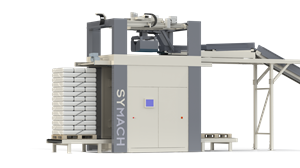
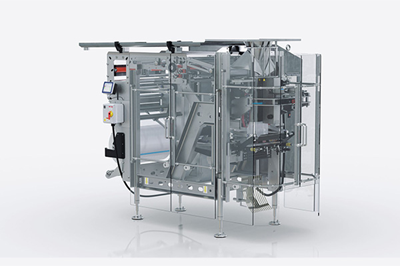
Explore frozen food packaging machines including VFFS baggers, palletizing systems, and end‑of‑line solutions, available as standalone equipment or integrated lines.
Related Posts
 Automating Fiber Bowls for Frozen and Refrigerated Food Packaging
August 24, 2021
<h2>Introduction</h2><p>According to a 2020 McKinsey & Company <a href="https://www.mckinsey.com/industries/paper-forest-products-and-packaging/our-insights/sustainability-in-packaging-inside-the-minds-of-us-consumers" data-sf-ec-immutable="">survey about sustainability in packaging</a>, 55% of U.S respondents said that they are extremely or very concerned about the environmental impact of product packaging and 60-70 percent of consumers said they would pay more for sustainable packaging. With a market that is ready for change, America's largest packaged foods companies have announced ambitious commitments to make 100% of their packaging recyclable or reusable by 2025.</p><p>While these commitments are progress toward a more sustainable packaged foods market, early adopters like <a href="https://www.conagrabrands.com/news-room/news-conagra-brands-announces-sustainable-packaging-goal-prn-122718" data-sf-ec-immutable="">ConAgra</a> and <a href="https://www.nestle.com/ask-nestle/environment/answers/tackling-packaging-waste-plastic-bottles" data-sf-ec-immutable="">Nestlé</a> have had to overcome several underlying obstacles of <em>how</em> they will make good on their promises. Identifying packaging equipment that operates efficiently at current production rates without compromising the integrity of new, eco-friendly packages can be a challenge.</p><p>In this post, we'll take a closer look at what's driving demand for sustainable packaging solutions and examine how some CPGs, material suppliers, and equipment manufacturers are partnering to bring fiber-based bowls to market at scale.</p><h2>Millennials Demand Change</h2><p>Among the growing number of consumers who are pushing CPGs for sustainable change, millennials have been the most adamant. In a recent <a href="https://youtu.be/x5sNyF1hyVU" data-sf-ec-immutable="">interview with ConAgra CEO Sean Connolly</a>, Mad Money host Jim Cramer asked Connolly about the decision to change ConAgra's entire <a href="https://www.healthychoice.com/power-bowls" data-sf-ec-immutable="">Healthy Choice Power Bowls®</a> product line to satisfy what Cramer called a huge, cash-strapped group of consumers.</p><p>"It's the first generation that is making less money than their parents, so we've got to give them a super convenient solution, but we can't compromise on the quality of the food," Connolly said. "So, we've taken a dusty old frozen business, we've infused it with modern attributes, and we've got it growing again, driven by millennials."</p><p>An early milestone on ConAgra’s 2025 sustainability journey, the conversion of the Healthy Choice Power Bowls® line from plastic bowls to biodegradable fiber-based bowls has debunked an industry misconception that fiber-based packaging is not automation friendly.</p><h2>The Switch from Plastic to Fiber</h2><p>While the food industry continues to debate the merits PET, PP and other recyclable plastics; consumers have welcomed plant-based fiber bowls as an improvement over single-use plastic bowls. Companies like <a href="https://footprintus.com/solutions/" data-sf-ec-immutable="">Footprint</a>, an American material science company, are partnering with BW Integrated Systems' Streamfeeder team to make it possible for food manufacturers to use plant-based fiber bowls in their high-volume product lines.</p><p>"Footprint is a material science company focused on making a healthier planet and healthier people through the elimination of single-use and short-term plastics in our first phase," said Footprint co-founder and CEO Troy Swope. "By offering solutions that perform like plastic without the harmful ingredients in plastic, we make it easy for food companies to adopt plant-based solutions and help to preserve our future."</p><p>But implementing these natural packaging solutions into established, high-volume product lines cannot happen instantaneously. It requires working with both the container and the packaging machinery supplier to fine-tune the settings. However, once the equipment has been tuned to run the new containers, packers can achieve the same throughput speeds, according to Footprint VP of Sales Jeff Bassett.</p><p>"Since it's a natural product, it's inherently different from plastics," Bassett said. "As we design the plant-based fiber part, Footprint has to pay more attention to what the atmosphere is in the production facility that could impact production speed or quality." Footprint then engineers a solution for the environment, product success criteria and equipment processing requirements.</p><p>Furthermore, validating this solution at scale requires a complete understanding of, not only the specific product and package, but also the packaging equipment. For Footprint, this meant partnering with the Streamfeeder, which specializes in the design and manufacture of innovative automation solutions.</p><p>"The modifications that needed to be made to the equipment were a challenge," Bassett said. "By partnering with Streamfeeder, Footprint has gained the necessary insights to build materials that work with existing machines at the correct production rates that food manufacturers look for."</p><h2>How to Automate Denesting of Fiber Bowls</h2><p>From an equipment standpoint, screw denester machines are widely used to separate plastic trays and bowls in the frozen food market. However, fiber bowls don't fare well with these machines. This is partially because, while the spacing between plastic bowls in a stack is consistent and predictable, the spacing between fiber bowls is less predictable. This can cause inaccurate bowl denesting, damaged bowls, and ultimately delays to production for food manufacturers.</p><p>With <a href="/brands/streamfeeder/" data-sf-ec-immutable="">pick-and-place denesters</a>, this is not an issue. Streamfeeder, a <a href="https://www.bwpackaging.com/" data-sf-ec-immutable="">BW Packaging </a> brand, has a deep history and knowledge of pick-and-place technology. This is what makes their product advantageous over other similar products, according to Streamfeeder's National Sales Manager Doug Schulz.</p><p>"Ed Thiele, founder of Thiele Technologies, which was acquired by BW Packaging Systems, was the grandfather of pick-and-place technology," Schulz said. "At one time, he held virtually every patent on it. Because Streamfeeder has such a diverse background of experience on this topic, we can match the customer’s product to an existing solution and make modifications so that they truly can automate the process for that product."</p><p>Streamfeeder has drawn on its years of experience to develop material controls specifically designed to work with difficult products such as paper pulp products. This technology makes it possible for food packaging companies, that have traditionally used plastics, to transition to the new environmentally friendly products.</p><h2>Final Words</h2><p>As consumer appetite for eco-friendly products grows across the US, environmentally conscious brands will continue to claim more shelf space at the supermarket. Brand owners who hope to be a part of this trend need to strike partnerships with suppliers that are committed to innovating, testing, and scaling sustainable packaging solutions, like the one above by Streamfeeder and Footprint.</p><h2>Related Links</h2><ul><li><a href="/brands/streamfeeder">Streamfeeder</a> (Automated Placer and Denester Systems)</li><li><a href="https://www.footprintus.com/solutions/" data-sf-ec-immutable="">Plant-Based Fiber Bowls</a> (Footprint)</li></ul>
 7 Key Trends Shaping the Frozen Food Packaging Industry
March 13, 2025
<p>The global frozen foods manufacturing industry, including the EMEA (Europe, Middle East, and Africa) region, is experiencing several of these key trends:</p><p>1. Health & Convenience Focus</p><p>Consumers are demanding healthier frozen food options, with an emphasis on organic, plant-based, and high-protein products. Ready meals, especially those requiring minimal preparation, are gaining popularity due to fast-paced lifestyles.</p><p>2. Global Flavors & Ethnic Cuisine</p><p>There is a rise in demand for globally inspired frozen meals, particularly Asian and Middle Eastern flavors. Social media platforms like TikTok and Instagram are driving interest in international cuisine.</p><p>3. Sustainable & Eco-Friendly Frozen Food Packaging</p><p>With growing environmental concerns, manufacturers are investing in sustainable packaging solutions, reducing plastic use, and adopting recyclable materials.</p><p>4. Growth in Frozen Snacks & Mini Portions</p><p>The demand for frozen snacks, such as bite-sized and mini-portioned products, is increasing. This trend is linked to the growing snacking culture, particularly among younger consumers.</p><p>5. Technological Advancements in Freezing Techniques</p><p>Techniques such as individual quick freezing (IQF) and blast freezing are improving product quality and shelf life, helping meet consumer expectations for freshness.</p><p>6. Rising Investments & Mergers</p><p>Large frozen food brands are investing in product innovation and strategic partnerships. Major players in the EMEA market include Nestlé, Unilever, Ajinomoto, and ConAgra Brands.</p><p>7. Cold Storage & Logistics Advancements</p><p>The expansion of cold storage infrastructure and distribution networks is supporting the growth of frozen food consumption, particularly in emerging markets within the Middle East and Africa.</p><p>The frozen food market is expected to continue growing steadily, driven by convenience, health-conscious consumers, and technological innovations. Contact BW Packaging to explore our range of trusted <a href="https://www.bwpackaging.com/products/flexible-bagging-wrapping/vertical-form-fill-seal">Hayssen Vertical Form-Fill-Seal (VFFS) machines</a> that are designed to minimize cross-contamination for food safety, along with being easy to operate and easy to clean.</p><p>View full trends report: <a data-sf-ec-immutable="" href="https://newsroom.sialparis.com/topics/frozen-products/frozen-food-trends/" title="Food Industry News: Emerging trends in frozen food, report from Conagra Brands">Food Industry News: Emerging trends in frozen food, report from Conagra Brands</a></p><p><em>Referenced sources: futuremarketinginsights.com, newsroom.sialparis.com, and refridgeratedfrozenfood.com</em></p>
 Frozen Food Packaging: Meeting the Demands of Cold Chain Operations
May 12, 2025
<p>Frozen food packaging demands meticulous attention to environmental conditions, regulatory standards, and logistical complexities. Temperature fluctuations, humidity, and physical handling can degrade product quality if not managed effectively. Specialized films, pouches, and machinery are essential to protect flavor, texture, and nutritional value throughout cold chain operations.</p><p>At BW Packaging, we help you customize your frozen food packaging to meet your needs. By implementing the right solutions for cold chain operations, manufacturers can maintain consistent temperatures and deliver a safe, high-quality product to consumers.</p><h2 id="key-points-about-cold-chain-operations-and-frozen-foods">Key Points About Cold Chain Operations and Frozen Foods</h2><p>Frozen foods generally need to remain at or below specific temperatures (often around -18℃ / 0℉ or lower) to prevent microbial growth and preserve taste and texture. Deviations from these strict ranges can lead to partial thawing, refreezing, and a decline in overall product quality. Furthermore, transport and storage facilities must be carefully monitored to avoid prolonged exposure to warmer environments.</p><p>Each step along the cold chain—processing, packaging, distribution, and retail—must be consistently maintained within the specified temperature range. Any interruption can compromise product safety or lead to freezer burn and texture changes. Even brief temperature spikes may allow bacteria to proliferate before the food is refrozen, posing potential health hazards.</p><h2 id="core-challenges-in-frozen-food-packaging">Core Challenges in Frozen Food Packaging</h2><p>Freezing technology preserves shelf life, but it also introduces complexities such as ice crystal formation and potential brittleness of packaging. A few major considerations that can influence efficiency and overall product quality include:</p><ul><li><strong>Moisture Control:</strong> Excess moisture can crystallize on food surfaces, altering taste and texture. Proper dehydration or controlled humidity in the packaging environment can minimize these issues.</li><li><strong>Packaging Brittleness:</strong> Films and containers become more susceptible to cracking at sub-zero temperatures. Selecting materials designed for low-temperature resilience helps avoid product leaks.</li><li><strong>Product Crystallization:</strong> Ice crystals that form during slow freezing can damage cell structures. Faster freezing methods, like IQF (Individually Quick Frozen), reduce crystal size and improve consistency.</li><li><strong>Sealing Integrity:</strong> At low temperatures, seals must remain tight to prevent freezer burn. Special adhesives and sealing methods ensure packaging integrity despite expansion or contraction.</li><li><strong>Thermal Shock:</strong> Rapid transitions from hot production areas to cold storage can stress packaging layers. Gradual cooling or pre-chilled surfaces can lessen the risk of damage.</li></ul><p>Successfully managing these factors not only extends product shelf life but also reduces waste from spoiled or damaged goods. Ultimately, a robust freezing and packaging system helps solidify consumer trust in your brand's quality.</p><h2 id="selecting-temperature-resistant-packaging-materials">Selecting Temperature-Resistant Packaging Materials</h2><p>Materials intended for frozen applications must withstand significant temperature swings without losing structural integrity. Certain polymer blends, like polyethylene or polypropylene, are commonly chosen for their flexibility and resistance to cracking under cold conditions. Multi-layer films may incorporate barrier properties that lock out air and moisture, further stabilizing product quality.</p><p>Handling during distribution often involves forklift movements, stacking, and other mechanical impacts that can puncture weak packaging. A robust film or pouch can absorb minor shocks without tearing, keeping the product sealed against external influences. In addition, effective barrier layers help maintain low-oxygen environments, preventing freezer burn and flavor loss. Choosing materials that align with these protective needs is fundamental for a high-performing cold chain operation.</p><h2 id="best-practices-for-frozen-food-packaging-line-configuration">Best Practices for Frozen Food Packaging Line Configuration</h2><p>Designing an efficient packaging line involves not only buying the right equipment but also considering layout, ambient conditions, and process flow. A few practices that can minimize damage and maintain quality during frozen food packaging:</p><ul><li><strong>Adequate Spacing:</strong> Leave room between units on conveyors to avoid collisions. This spacing also ensures cold air can circulate freely around packaged items.</li><li><strong>Controlled Conveyor Speeds:</strong> Adjust speeds so that products don't pile up or jam. Slow, steady flow helps maintain consistent temperatures and lowers the chance of breakage.</li><li><strong>Temperature Management:</strong> Keep packaging areas slightly cooler than normal room temperature. This reduces thermal shock when products exit the freezer environment.</li><li><strong>Proper Sealing Techniques:</strong> Use heat-sealing or ultrasonic methods calibrated for low temperatures. An airtight seal minimizes moisture entry and freezer burn.</li><li><strong>Hygienic Environment:</strong> Frequent cleaning reduces ice buildup and bacterial growth. Maintaining cleanliness is crucial to both food safety and equipment longevity.</li></ul><p>With these cold chain operations, the packaging line can run smoothly, preserving product integrity and preventing unnecessary downtime.</p><h2 id="ensuring-food-safety-and-compliance-in-cold-chain-operations">Ensuring Food Safety and Compliance in Cold Chain Operations</h2><p>Managing frozen foods means adhering to strict legal and industry guidelines around labeling, handling, and longevity. Key requirements that producers must consider include:</p><ol><li><strong>Accurate Labeling:</strong> Product names, net weight, and nutritional facts must be correct and legible.</li><li><strong>Temperature Documentation:</strong> Records of storage and transport temperatures are often mandatory for audits.</li><li><strong>Proper Shelf-Life Declarations:</strong> Expiration or best-by dates guide consumers in safe usage.</li><li><strong>Allergen Warnings:</strong> Declare any potential cross-contamination risks on the label.</li><li><strong>Hygiene Standards:</strong> Compliance with local and international safety regulations is essential for consumer trust.</li></ol><p>Clear monitoring and record-keeping processes are key to meeting these demands. Frequent temperature checks, routine package inspections, and written logs help prove the cold chain was never broken. Finally, transparent documentation can expedite recalls if a contamination issue arises, minimizing harm to both consumers and brand reputation.</p><h2 id="quality-control-protocols-in-cold-chain-environments">Quality Control Protocols in Cold Chain Environments</h2><p>Quality control starts with verifying that seals remain airtight and puncture-free, as even tiny gaps can allow ice crystals or contaminants to form. Temperature logs, whether automated or manual, should confirm that products have stayed within safe limits during transitions between storage, transit, and packaging. Visual or weight-based inspections can catch irregularities like damaged corners or missing labels. This layered approach identifies problems quickly, avoiding large-scale spoilage or recalls.</p><p>Developing a clear protocol for when temperature spikes or machine failures occur is crucial in protecting product quality. Operators must know whom to notify and what steps to take immediately, such as transferring items to an alternate freezer or pausing the line until repairs are made. Having backup resources, like spare parts or emergency storage, can prevent widespread losses.</p><h2 id="optimizing-storage-and-distribution-after-packaging">Optimizing Storage and Distribution After Packaging</h2><p>A well-maintained warehouse equipped with powerful refrigeration units is essential for safeguarding frozen goods before shipment. Monitoring devices should track ambient temperature and humidity levels around the clock. Regular defrost cycles in coolers or freezers prevent ice buildup that can hamper airflow and energy efficiency.</p><p>Transporting frozen items to retailers or distribution centers requires insulated trucks, containers, or reefer trailers capable of holding consistent temperatures. Load plans should minimize exposure to external air, and quick transfers between loading docks and vehicles further limit thermal fluctuations. In addition, carriers must be trained in best practices like verifying refrigeration unit functionality and documenting temperature changes en route.</p><h2 id="get-the-most-out-of-your-frozen-food-packaging-with-bw-flexible-systems">Get The Most Out of Your Frozen Food Packaging with BW Packaging</h2><p>At BW Packaging, we offer advanced packaging machinery designed specifically to handle the unique demands of cold chain operations. From efficient filling and sealing systems to hygienically designed VFFS machines, we tailor our solutions to enhance throughput without compromising on quality. Contact us today and see how our innovations, like the <a href="https://www.bwpackaging.com/products/flexible-bagging-wrapping/vertical-form-fill-seal/hayssen-isb">Hayssen Intelligent Sanitary Bagger (ISB)</a>, can bolster your frozen food packaging and cold chain operations.</p>