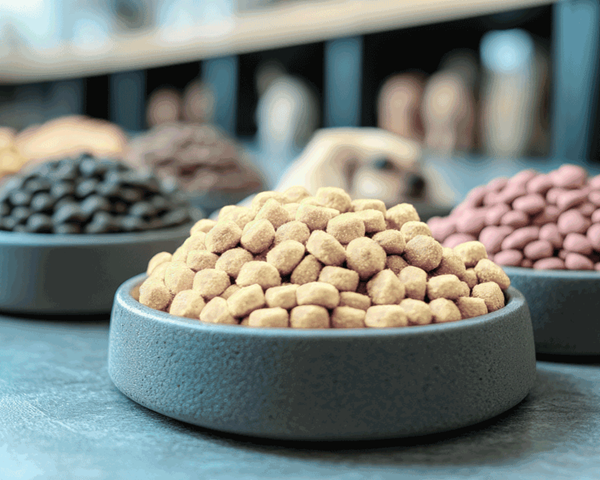
Dry Pet Food
Dry pet food production requires packaging equipment that can handle large bags, maintain consistent fill weights, and deliver stable pallet loads for distribution. Dust control, bag integrity, and pallet quality are critical to downstream handling and shipping efficiency.
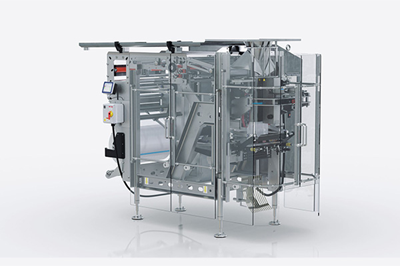
BW Packaging provides bag filling, vertical form-fill-seal baggers, and palletizing solutions designed specifically for dry pet food applications. Our equipment supports reliable, repeatable operation for producers packaging kibble and other dry pet food products at scale.
Explore by Equipment
Explore dry pet food packaging equipment including bag filling systems, weighing solutions, palletizers, and end‑of‑line equipment. Systems can be configured as standalone machines or integrated into complete dry pet food packaging lines.
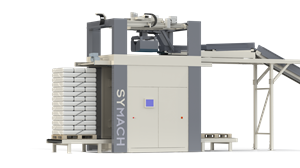
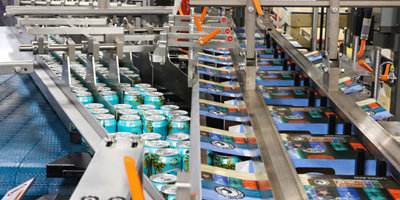
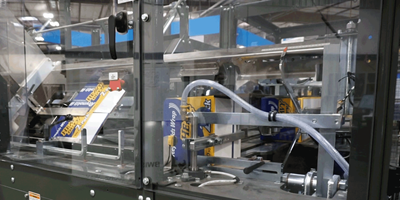
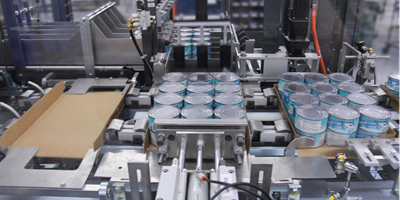
“It stages, picks and fills each of the bags and it does it two at a time, and that’s a big part of where the capacity gets.”Joe Samson, Plant Engineer, Elmira Pet Products
Read the full testimonial
Related Posts
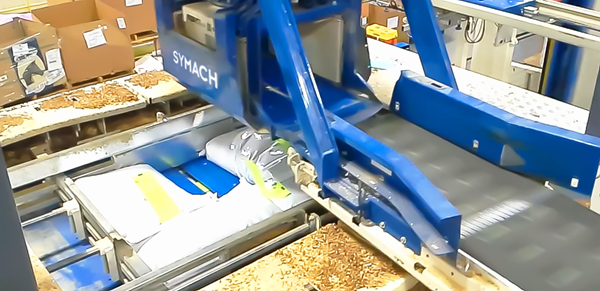 Palletizing in Harsh Environments: Dust, Moisture, and Temperature Considerations
July 13, 2026
<h2>The High Cost of Failure in Demanding Environments</h2><p>Unplanned downtime costs manufacturers over <a href="https://partners.wsj.com/emerson/unlocking-performance/how-manufacturers-can-achieve-top-quartile-performance/">$50 billion annually</a>. For food and beverage processors, a single hour of equipment failure can cost more than $100,000. Those numbers represent more than abstract statistics—they represent production schedules thrown into chaos, customer commitments missed, and profits evaporating while your team scrambles to get equipment back online.</p><p>Now consider where your palletizer operates. Not in a climate-controlled cleanroom, but in the real world of industrial manufacturing. Flour dust hangs in the air at your bakery. Caustic washdown chemicals spray across equipment at your dairy plant. Temperatures in your freezer warehouse hover at minus twenty degrees. Your production floor gets so humid in summer that condensation drips from every surface.</p><p>These are the environments where palletizers work—and where standard equipment often fails prematurely. The bearings seize from dust infiltration. Electronics short-circuit from moisture ingress. Components become brittle and crack in the cold. What was supposed to be a reliable workhorse becomes a source of constant headaches and emergency maintenance calls.</p><p>Here's what many equipment buyers learn the hard way: the initial purchase price of a palletizer matters far less than whether it can survive your actual operating conditions. A machine that costs less upfront but fails repeatedly in your harsh environment will cost you far more in downtime, repairs, and frustration than purpose-built equipment designed for the challenges you face.</p><p>At BW Packaging, we learned palletizing in the real world: onions and potatoes, where soil, skins, and debris don’t politely stay off your equipment. That’s why SYMACH palletizers are built around an open‑frame design: instead of trapping dust and buildup, debris falls through, surfaces stay accessible, and teams can spot issues early. This design philosophy came directly from our agricultural install base—potatoes, onions, carrots—where conditions are anything but ideal.</p><p>And because “dirty” doesn’t always mean “hard to clean,” we’ve extended that thinking into Stage 1 Clean Design, engineered specifically to reduce accumulation points and make cleaning faster in dusty environments—helping equipment stay in proper operating condition despite constant debris.</p><div align="center"></div><h2>Who We Are</h2><p>BW Packaging helps manufacturers across agriculture, pet food, industrial, and bulk ingredients sectors transform their end-of-line operations through flexible bag filling, sealing, and palletizing solutions. Our automated <a href="https://www.bwpackaging.com/products/flexible-bagging-wrapping/bag-filling">Thiele bagging</a>, <a href="https://www.bwpackaging.com/products/palletizing/bag-palletizers">SYMACH conventional palletizing</a>, and <a href="https://www.bwintegratedsystems.com/products/palletizing"></a><a href="https://www.bwpackaging.com/products/palletizing/case-tray-bulk-package-palletizers">robotic palletizing </a>solutions are known for their efficiency, versatility, precision, and ease of operation. We offer our clients training, service, and a lifetime of support for every solution sold.</p><div align="center"></div><h2>The Triple Threat: Understanding Your Harsh Environment Challenges</h2><p>Before you can solve harsh environment challenges, you need to understand exactly what you're dealing with. Most facilities face one or more of three primary environmental stressors—and many face all three simultaneously.</p><h3>The Dust Dilemma: Abrasive and Combustible Particles</h3><p>Walk through a feed mill, fertilizer plant, or flour processing facility and you'll understand immediately why dust is enemy number one for palletizing equipment. Fine particles are everywhere—suspended in the air, settling on every surface, working their way into every gap and crevice.</p><p>That dust doesn't just make equipment dirty. It actively destroys components.</p><p>Abrasive particles infiltrate bearings and accelerate wear. Sensors become coated and lose accuracy. Electrical cabinets fill with conductive dust that causes short circuits. In some facilities—where the dust comes from flour, grain, sugar, or certain chemicals—there's also the risk of combustible dust explosions if concentrations reach dangerous levels.</p><p>The industries most affected include pet food manufacturing, agricultural products (fertilizer, grain, seed), chemical processing, and any facility handling bulk powders or granular materials. If your operators wear dust masks, your palletizer is breathing the same air—and suffering for it.</p><h3>The Moisture Menace: Washdowns, Humidity, and Corrosive Agents</h3><p>Food safety regulations have transformed manufacturing facilities. Regular washdowns with high-pressure hot water and caustic cleaning chemicals are now standard practice in dairy, meat, produce, and beverage operations. That's great for food safety. It's brutal on equipment that wasn't designed for it.</p><p>Water finds its way into electrical enclosures, shorting circuits and corroding connections. Caustic cleaning agents attack standard steel, causing corrosion that weakens structures and creates harborage points for bacteria. High humidity creates condensation on cool surfaces—including electronics that really shouldn't get wet.</p><p>The consequences extend beyond equipment damage. Corroded equipment with pitting and crevices can harbor bacteria, creating the food safety risks that washdowns were supposed to prevent. Equipment that can't withstand your sanitation protocols becomes a compliance liability.</p><p>This challenge hits hardest in dairy processing, fresh produce packing, meat processing, bakeries, and beverage facilities—anywhere that strict sanitation standards meet aggressive cleaning regimens.</p><h3>The Temperature Test: Extreme Cold and High Heat</h3><p>Temperature extremes create problems that standard equipment simply isn't built to handle. And as cold chain logistics continues growing (the global cold chain market is expected to reach $628 billion by 2030), more palletizing operations are moving into freezer environments.</p><p>In cold storage facilities operating at -20°F or below, standard steel becomes brittle and prone to cracking. Lubricants thicken until they barely flow, starving bearings and gears. Condensation forms when equipment moves between temperature zones, coating electronics with moisture that freezes, thaws, and freezes again. Seals and gaskets lose flexibility and fail to maintain proper protection.</p><p>High-temperature environments create opposite but equally damaging effects. Electronics overheat and fail. Components expand at different rates, throwing off precision alignments. Motors work harder to overcome increased resistance, shortening their lifespan.</p><p>Frozen food processing, cold storage warehousing, food distribution centers, and certain high-temperature manufacturing environments all face these challenges. If your team needs special clothing to work in the production area, your equipment needs special engineering too.</p><div align="center"></div><h2>Engineering for Resilience: Key Features of a Harsh-Environment Palletizer</h2><p>Understanding the challenges is the first step. The second is knowing what engineering solutions actually work. Purpose-built harsh environment our conventional and robotic palletizers incorporate specific features designed to resist dust, moisture, and temperature extremes.</p><h3>Built to Resist: Superior Materials and Construction</h3><p>Material selection determines how long equipment survives in corrosive, abrasive, or extreme temperature environments. The difference between standard construction and purpose-built durability starts here.</p><p><strong>Stainless steel construction</strong> provides the foundation for equipment that needs to withstand washdowns and corrosive environments. Unlike painted mild steel that chips and corrodes, stainless steel maintains its integrity under repeated exposure to moisture and cleaning chemicals. For food applications, it's often non-negotiable—75% of food manufacturers cite hygienic design as critical or very important when selecting equipment, according to PMMI.</p><p><strong>Hygienic design principles</strong> go beyond material selection to address how equipment is constructed. Sloped surfaces prevent water from pooling. Welded seams eliminate the crevices where bacteria can hide. Minimal flat surfaces reduce accumulation points. Open-frame designs—a hallmark of SYMACH palletizers—prevent dust and debris from accumulating in hidden cavities and make cleaning faster and more effective.</p><p><strong>Robust frame construction</strong> ensures equipment can withstand the mechanical stresses of thermal cycling without losing precision or structural integrity. When temperatures swing between ambient loading docks and freezer storage, lesser equipment warps and fails. Properly engineered frames maintain their geometry across the operating range.</p><h3>Sealed for Survival: Ingress Protection Ratings</h3><p>Ingress Protection (IP) and NEMA ratings tell you exactly how well enclosures protect sensitive components from dust and water. These aren't marketing terms—they're standardized specifications that predict real-world performance.</p><p><strong>Understanding the ratings:</strong></p><ul><li><strong>IP65</strong> indicates complete protection against dust ingress and protection against water jets from any direction. Suitable for dusty environments and light washdown.<br><br></li><li><strong>IP67</strong> adds protection against temporary immersion in water—important for equipment that might be directly sprayed during cleaning.<br><br></li><li><strong>IP69K</strong> provides protection against high-pressure, high-temperature washdowns—the gold standard for equipment in sanitary food processing environments.<br><br></li><li><strong>NEMA 4X</strong> enclosures resist corrosion in addition to providing dust and water protection, making them ideal for facilities using caustic cleaning agents.<br><br></li></ul><p>These ratings apply to electrical enclosures, motors, sensors, and other components that contain electronics or precision mechanisms. When evaluating equipment for harsh environments, ask specifically about IP/NEMA ratings—and verify that the entire system is protected, not just selected components.</p><h3>Climate-Proof Components and Specialization</h3><p>Beyond basic dust and water resistance, equipment destined for temperature extremes requires specialized components throughout.</p><p><strong>Freezer-grade packages</strong> for cold storage applications include low-temperature rated steel that maintains ductility at -20°F and below, specialized lubricants that maintain proper viscosity in extreme cold, heated control cabinets that prevent condensation on electronics, and cold-resistant wiring and seals that remain flexible rather than becoming brittle.</p><p><strong>Climate-controlled enclosures</strong> protect main electrical cabinets in both hot and cold environments. Integrated heaters prevent condensation in freezers while vortex coolers or air conditioning systems prevent overheating in high-temperature facilities. PLCs and drives operate best within a specific temperature range—maintaining that range regardless of ambient conditions is critical for reliability.</p><p><strong>Specialized safety components</strong> address the risks of combustible dust environments. ATEX or Class/Division certified electrical components prevent ignition sources in facilities where dust concentrations could create explosion hazards. These certifications aren't optional in applicable environments—they're required for safe operation.</p><div align="center"></div><h2>How BW Packaging Delivers: SYMACH and Thiele Solutions</h2><p>Engineering principles matter, but what matters more is how those principles translate into actual equipment you can buy and install. SYMACH palletizers incorporate harsh-environment features that address the real-world challenges our customers face.</p><p><strong>Open-frame design</strong> is a defining characteristic of <a href="https://www.bwpackaging.com/products/palletizing/bag-palletizers">SYMACH palletizers</a>. Unlike enclosed designs that trap dust and make cleaning difficult, open frames allow debris to fall through rather than accumulate. Cleaning crews can access all surfaces quickly. Maintenance technicians can see potential problems before they become failures. This design philosophy emerged directly from our experience palletizing agricultural products—potatoes, onions, carrots—where soil and debris are constant challenges.</p><p><strong>Clean design philosophy</strong> has led to our latest stage 1 clean design model, which specifically addresses the cleaning challenges in dusty and dirty environments. By eliminating dust accumulation points and facilitating easier sanitation, this approach reduces cleaning time and ensures equipment remains in proper operating condition despite challenging conditions.</p><p><strong>Material options</strong> allow customers to specify construction appropriate for their environment. Stainless steel frames and components are available for food and corrosive applications. Sealed bearings and enclosed motors protect against dust infiltration. Control cabinet specifications can be tailored to meet washdown requirements or temperature extremes.</p><p><strong>Proven performance</strong> across industries demonstrates that these aren't theoretical capabilities. SYMACH palletizers operate successfully in pet food facilities filled with dust, in dairy plants subject to daily washdowns, in fertilizer plants where corrosive chemicals are everywhere, and in freezer warehouses where temperatures never rise above zero. That breadth of application comes from decades of experience solving real problems for real customers.</p><p>The<a href="https://www.bwflexiblesystems.com/products/symach-palletizers/symach-3500s-palletizer"> </a><a href="https://www.bwpackaging.com/products/palletizing/bag-palletizers/symach-3500s-palletizer">3500S palletizer </a>exemplifies this clean design approach with its next-generation architecture specifically designed to minimize maintenance requirements and maximize cleanability. The<a href="https://www.bwflexiblesystems.com/products/symach-palletizers/mach-series-palletizers"> </a><a href="https://www.bwpackaging.com/products/palletizing/bag-palletizers/mach-series-palletizers">MACH series </a>offers flexibility across product types while maintaining the robust construction that harsh environments demand.</p><div align="center"></div><h3>Beyond the Machine: A Partnership for Long-Term Success</h3><p>Selecting the right equipment is essential—but equipment alone doesn't guarantee success in harsh environments. The relationship between equipment supplier and customer matters just as much over the long term.</p><h2>Total Cost of Ownership: The True Measure of Value</h2><p>BW Packaging positions ourselves as a premium provider, and that positioning is deliberate. We focus on Total Cost of Ownership rather than initial purchase price because we've seen too many customers learn expensive lessons from cheaper equipment that couldn't survive their environment.</p><p>Consider the math. A palletizer that costs 20% less upfront but requires twice as many repairs, experiences three times the downtime, and needs replacement five years sooner isn't actually cheaper. It's dramatically more expensive when you account for maintenance costs, production losses, and replacement capital.</p><p>Durable, specialized equipment designed for harsh environments delivers lower TCO through reduced maintenance requirements, fewer unplanned breakdowns, longer service life, and more consistent production output. The premium you pay upfront returns to you many times over across the equipment lifecycle.</p><h3>Lifetime Support and Technical Expertise</h3><p>Operating equipment in harsh environments creates ongoing needs that extend far beyond the initial purchase. Components wear differently in dusty, wet, or cold conditions. Maintenance schedules need adjustment for actual operating realities. Problems arise that require expert diagnosis.</p><p>BW Packaging' commitment to lifetime equipment support addresses these realities. Our<a href="https://www.bwflexiblesystems.com/customer-services/service"> service teams</a> understand harsh environment challenges because they work with customers facing them every day. Our<a href="https://www.bwflexiblesystems.com/customer-services/parts"> parts organization</a> stocks the specialized components that harsh environment equipment requires. Our<a href="https://www.bwflexiblesystems.com/customer-services/training"> training programs</a> equip your team to maintain equipment properly despite challenging conditions.</p><p>This isn't about selling additional services—it's about ensuring that your equipment investment delivers the performance and longevity you expect. Equipment operating in harsh environments needs a partner who understands those environments and provides appropriate support throughout the equipment lifecycle.</p><h3>Customization for Your Specific Challenges</h3><p>No two facilities are identical, and cookie-cutter solutions often fail in challenging environments. The specific combination of dust types, moisture exposure, temperature ranges, and production requirements in your facility may not match anyone else's exactly.</p><p>BW Packaging' approach emphasizes customization to specific needs. Our engineering teams work with customers to understand their unique challenges and configure solutions accordingly. That might mean specifying particular IP ratings for your washdown requirements, selecting materials appropriate for your corrosive environment, or designing control cabinet protection for your temperature extremes.</p><p>This customization capability—backed by deep knowledge across diverse applications—ensures that the equipment you receive is engineered for your environment, not just for generic industrial conditions.</p><div align="center"></div><h2>Don't Let Your Environment Dictate Your Uptime</h2><p>Dust fills the air in your facility. Washdown chemicals spray across equipment daily. Temperatures swing from ambient to freezing. These are the realities of industrial manufacturing—and they're not going to change.</p><p>What can change is whether your palletizing equipment is built to handle those realities or destined to fail because of them. The choice between standard equipment and purpose-built harsh environment solutions determines whether your end-of-line operations become a reliable asset or a constant source of problems.</p><p>Investing in the right palletizing technology is an investment in operational reliability, food safety compliance, worker safety, and long-term profitability. The equipment that survives your environment year after year costs far less than the equipment you have to repair, work around, and eventually replace.</p><p>Is your palletizer built to withstand your environment?<a href="https://www.bwflexiblesystems.com/our-company/contact"> </a><a href="/contact">Contact the experts at BW Packaging </a>to discuss a solution engineered for your unique challenges. Whether you're dealing with dust, moisture, temperature extremes, or all three, our SYMACH and Thiele palletizers are designed to ensure your production runs smoothly—no matter the conditions.</p><div><div><div id="_com_3"><p></p></div></div></div><h2></h2>
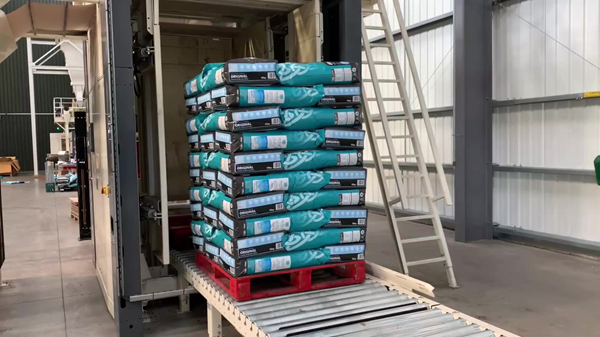 Modernization in Pet Food Packaging: Eliminating Bottlenecks in Bag Filling and Palletizing
July 14, 2026
<p>A palletizer misses its pattern by half an inch, a bagger drifts out of tolerance, and a high-margin SKU starts backing up downstream. In pet food packaging, small inefficiencies rarely stay small for long.</p><p>Pet food producers are operating under a different set of constraints than they were even five years ago. SKU proliferation is accelerating as brands expand into premium, functional, and breed-specific formulations. At the same time, production runs are getting shorter while format variability increases.</p><p><a data-sf-ec-immutable="" href="https://www.pmmi.org/report/processing-state-of-the-industry-2026?utm_source=Newsletters&utm_medium=PMMI+Press+Release&utm_term=20260508&oly_enc_id=pmmi"></a><a data-sf-ec-immutable="" href="https://www.pmmi.org/report/processing-state-of-the-industry-2026">Industry reporting from PMMI </a>points to continued investment in automation, workforce constraints, and the need for more flexible packaging systems. As product portfolios expand a <strong>higher product mix and more frequent changeovers</strong> are needed. For packaging operations, that shift changes the objective. It’s no longer about peak throughput alone, it’s about sustaining efficiency across constant variation.</p><p>Layer in persistent labor shortages, tighter retailer expectations around pallet quality, and rising maintenance costs, and the pressure concentrates at the end of the line. Bagging and palletizing systems are now expected to handle a much broader operational envelope.</p><p>That mismatch is where most bottlenecks begin.</p><h2>What Modernization Means in a Pet Food Environment</h2><p>Modernizing a pet food packaging line is less about replacing old machines and more about aligning equipment capability with current production reality. Bagging and palletizing systems now need to handle multiple product densities, a wider range of bag materials, and faster transitions between SKUs—often within the same shift.</p><p>Pet food introduces specific challenges. Dense kibble behaves differently at fill than lightweight or irregular treats. Packaging formats range from multiwall paper bags to polywoven and emerging recyclable films. Each combination affects how product meters, how bags settle, and how reliably they can be stacked.</p><p>Modern systems address these variables through tighter process control. Servo-driven bagging platforms maintain consistent fill accuracy across product types while automatically correcting variations. Palletizers with programmable pattern control place bags with repeatable precision, improving stack stability across formats.</p><p>The result is less operator intervention, fewer minor stops, and more predictable line performance. These are all key contributors to overall equipment effectiveness (OEE).</p><h2>Warning Signs Your Pet Food Packaging Line Is Falling Behind</h2><p>In most cases, obsolescence doesn’t arrive all at once. It shows up as small, persistent issues that gradually limit performance:</p><p>Inconsistent pallet quality<br>Misaligned or unstable stacks create problems beyond the packaging line. They affect warehouse handling, transportation, and ultimately retailer acceptance. When pallet integrity becomes unpredictable, it often traces back to older palletizing technology that lacks precise bag control.</p><p>Throughput bottlenecks at the bagger<br>If upstream production is outpacing packaging, or if lines are routinely extended to meet demand, the bagging system is a likely constraint. Older systems may struggle to maintain speed while delivering consistent weights, especially across multiple formats.</p><p>Escalating maintenance and unplanned downtime<br>Wear parts, legacy controls, and limited parts availability can turn routine maintenance into a recurring disruption. Over time, the cost of keeping older equipment running begins to rival replacement investment.</p><p>Operator dependency and training challenges<br>Systems that rely heavily on manual adjustment or tribal knowledge introduce variability. In a labor-tight environment, long training curves and ergonomically taxing tasks make retention more difficult.</p><p>Limited flexibility for SKU expansion<br>New product launches often bring new bag sizes, materials, or pallet configurations. Equipment that cannot adapt without significant mechanical modification becomes a barrier to growth.</p><h2>Where Modernization Delivers Immediate Impact</h2><h3>Precision Palletizing and Stack Integrity</h3><p>Modern palletizing systems have moved away from mechanisms that rely on pushing, dropping, or clamping bags into position. Instead, they use controlled handling approaches that center and place each bag individually.</p><p>This matters in pet food, where bag consistency can vary depending on product density and material type. By guiding each bag into position and releasing it precisely at the programmed coordinates, these systems reduce stack variation and improve pallet stability. The result is fewer damaged bags, cleaner unit loads, and smoother downstream logistics.</p><h3>High-Speed, Multi-Format Bag Filling</h3><p>Bagging performance is often where capacity gains are realized—or lost.</p><p>In pet food applications, mid- to large-format systems typically operate in the <strong>15 to 40 bags-per-minute range</strong>, depending on fill weight, product density, and material type. Maintaining that level of throughput while holding tight fill tolerances is where modern systems separate from legacy equipment.</p><p>Servo-controlled dosing continuously adjusts to product variation, reducing the need for manual correction. The system can sustain output without sacrificing accuracy, even as materials or product characteristics shift.</p><p>Compatibility also matters. Current platforms are designed to run:</p><ul type="disc"><li>Multiwall paper</li><li>Poly and polywoven bags</li><li>Emerging recyclable or lightweight film structures</li></ul><p>That flexibility allows plants to adapt packaging formats without reengineering the line.</p><h3>Flexibility Without Complexity</h3><p>Consider a regional pet food manufacturer running a mix of dry kibble SKUs across multiple bag formats. Their legacy line met baseline demand but required frequent intervention at both the bagger and palletizer. Stack inconsistency created downstream handling issues, and changeovers extended planned downtime.</p><p>After upgrading to a modern bagging and palletizing configuration, the plant saw a measurable shift in line stability. <strong>Unplanned downtime—previously a routine part of daily operation—dropped to occasional events</strong>, and operator intervention during runs decreased significantly.</p><p>Internally, the team attributed gains in OEE primarily to improved availability and fewer minor stops. Changeovers that once required extensive manual adjustment became faster and more repeatable. The outcome wasn’t just higher throughput—it was a line that performed consistently across shifts.</p><h3>Operator Enablement and System Reliability</h3><p>Training time has become a critical constraint. Equipment that requires extensive manual calibration or deep institutional knowledge limits workforce flexibility.</p><p>Updated interfaces, standardized controls, and integrated diagnostics help simplify operation. Combined with structured training programs and ongoing support, these systems reduce ramp-up time and improve consistency across shifts.</p><h2>How This Plays Out on the Plant Floor</h2><p>Consider a regional pet food manufacturer running a mix of dry kibble SKUs across multiple bag formats. Their legacy line met baseline demand but required frequent intervention at both the bagger and palletizer. Stack variability led to rework in the warehouse, and changeovers between formats extended downtime.</p><p>After upgrading to a modern bagging and palletizing configuration, the plant saw improvements in three key areas: more consistent pallet quality, reduced manual adjustments during production runs, and shorter changeover intervals between SKUs. The net effect wasn’t just higher throughput—it was a more predictable, stable operation.</p><h2>What Comes Next for Pet Food Packaging</h2><p>Pet food packaging lines are moving toward greater autonomy. Integration with plant-level systems—MES (Manufacturing Execution Systems) and ERP platforms—will allow for real-time performance monitoring, predictive maintenance, and dynamic production scheduling.</p><p>At the same time, sustainability targets will push equipment to handle a broader range of recyclable and lightweight materials without sacrificing speed or accuracy.</p><p>Plants that modernize now aren’t just solving today’s bottlenecks. They’re building the foundation for packaging operations that can adapt as quickly as the pet food market itself.</p>
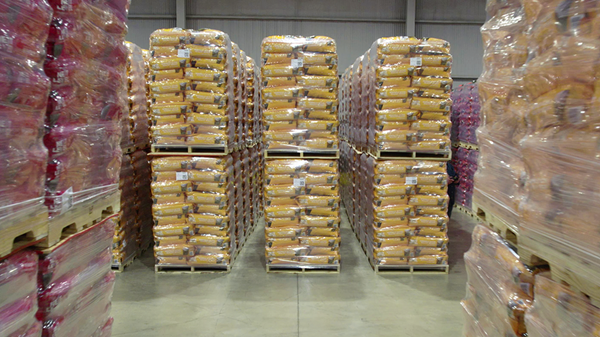 How to Prevent Pallet Overhang in Animal Feed Operations
November 13, 2025
<p>Pallet overhang is one of those problems that seems minor until it costs you thousands of dollars in a single day. When feed bags extend beyond standard pallet dimensions, the instability triggers a cascade of issues—damaged products, rejected shipments, increased transportation costs, and safety hazards. These dimensional failures at your packaging line compound into significant financial losses throughout the distribution chain.</p><p>As a plant manager, you know these challenges intimately. You've experienced that sinking feeling when a retailer rejects an entire shipment due to overhang. You've dealt with the frustration of damage claims that could have been avoided. You feel the pressure from logistics teams struggling with unstable loads that won't fit properly in trucks. And there's the constant worry about worker safety when your team handles compromised pallets.</p><p>These aren't just operational hiccups—they're profit drains that affect your bottom line and customer relationships. In this article, we'll examine the root causes of pallet overhang specific to feed operations, explore how advanced palletizing technology can eliminate these issues, and provide actionable quality control strategies you can implement immediately to ensure every pallet leaving your facility meets exact dimensional specifications.</p><h2 id="understanding-the-pallet-overhang-problem-in-feed-manufacturing">Understanding the Pallet Overhang Problem in Feed Manufacturing</h2><p>Pallet overhang occurs when packaged products extend beyond standard pallet dimensions—typically 48" x 40" in North America. This creates structural instability and operational complications throughout the supply chain. In animal feed operations handling 50-pound feed bags and requiring bulk packaging, even minor overhang can result in significant problems during transportation, storage, and handling.</p><p>Feed manufacturing faces specific challenges: varying bag sizes, dense product weights, and high-volume production requirements that demand precise pallet construction to maintain operational efficiency. Specialized feed packaging solutions address these unique requirements through engineering approaches designed specifically for agricultural product handling.</p><p>Here's what makes overhang particularly problematic: seemingly minor dimensional variations compound throughout stacking operations. What starts as a quarter-inch error on the first layer can result in several inches of overhang by the time your pallet reaches full height. Precision pallet construction eliminates these cumulative errors through systematic control of bag placement and compression.</p><h3 id="the-hidden-costs-of-poor-pallet-construction">The Hidden Costs of Poor Pallet Construction</h3><p>The financial impact of pallet overhang extends far beyond immediate product damage. It creates operational inefficiencies that ripple through multiple aspects of your distribution process:</p><p><strong>Structural Weakness</strong>: Overhang reduces compression strength, dramatically increasing damage risk during transportation and storage. Bags on the edges bear uneven loads and are more likely to tear or burst.</p><p><strong>Product Damage</strong>: Shifting loads during transportation result in customer complaints and replacement costs. You're not just replacing damaged product—you're paying for return shipping, processing claims, and potentially losing the customer's trust.</p><p><strong>Increased Shipping Costs</strong>: Space inefficiency and special handling requirements for non-standard loads drive up costs per unit. When pallets don't stack efficiently, you're paying to ship air instead of product.</p><p><strong>Retailer Rejections</strong>: Delivery delays and penalties damage customer relationships and impact cash flow. Some retailers have zero-tolerance policies for dimensional issues, meaning an entire truckload could be rejected at the dock.</p><p><strong>Safety Hazards</strong>: Warehouse and logistics personnel face increased risk when handling unstable loads and overhanging materials. Beyond the human cost, workplace injuries drive up insurance premiums and create liability exposure.</p><p>These costs compound over time while creating operational complications that extend throughout your supply chain. Prevention requires systematic approaches that address both immediate pallet construction and long-term operational consistency.</p><h2 id="how-pallet-overhang-impacts-your-feed-distribution-operations">How Pallet Overhang Impacts Your Feed Distribution Operations</h2><p>The cascading effects of pallet overhang begin at your packaging line and continue through every stage of the distribution process. Understanding these impacts helps you justify investments in overhang prevention technology and procedures.</p><p>Distribution complications from overhang affect multiple stakeholders throughout the supply chain—from transportation providers to retail customers—creating relationship challenges that can impact your long-term business success beyond immediate operational costs.</p><h3 id="shipping-and-logistics-complications">Shipping and Logistics Complications</h3><p>Pallet overhang creates systematic problems throughout distribution operations that compound your costs and operational complexity:</p><p><strong>Reduced Truck Loading Efficiency</strong>: Space utilization suffers, increasing transportation costs per unit and limiting load optimization. Instead of fitting 26 pallets per truck, you might only fit 22—that's a 15% increase in shipping costs right there.</p><p><strong>Increased Damage Claims</strong>: Transportation providers deal with load instability and handling difficulties, leading to more damage claims that you ultimately pay for through higher rates or direct reimbursement.</p><p><strong>Additional Handling Requirements</strong>: Distribution centers need special equipment and extended processing time for non-standard loads. This often means surcharges and delays that impact your entire distribution schedule.</p><p><strong>Load Rejections</strong>: When carriers or receivers reject loads, you face expensive repalletizing operations and delivery delays. These emergency interventions are always more costly than getting it right the first time.</p><p><strong>Higher Insurance Premiums</strong>: Increased damage risks and liability exposure from unstable loads drive up your insurance costs year after year.</p><p>These complications create ongoing operational challenges that require systematic solutions rather than case-by-case remediation efforts.</p><h2 id="root-causes-of-pallet-overhang-in-feed-operations">Root Causes of Pallet Overhang in Feed Operations</h2><p>Identifying the fundamental causes of pallet overhang enables you to develop targeted solutions that address problems at their source, rather than constantly managing symptoms. Most overhang issues result from equipment limitations, process inconsistencies, and operational factors that can be systematically addressed through proper technology and procedures.</p><p>Consistent bag dimensions provide the foundation for overhang prevention through precise control of package formation and sealing. Precise placement technology ensures that even perfectly formed bags are positioned accurately for optimal pallet construction.</p><p>Understanding root causes requires systematic analysis of your entire packaging process—from bag formation through final pallet compression—identifying each point where dimensional variations can occur and compound into overhang problems.</p><p>Effective solutions address multiple causes simultaneously, rather than focusing on individual factors, to create comprehensive approaches that ensure consistent pallet quality regardless of operational variables.</p><h3 id="equipment-related-factors-contributing-to-overhang">Equipment-Related Factors Contributing to Overhang</h3><p>Outdated or improperly calibrated equipment creates the fundamental conditions that lead to pallet overhang, resulting in inconsistent bag formation, improper placement, and inadequate compression control. Traditional palletizing systems often lack the precision required for consistent pallet construction, particularly when handling dense products like animal feed.</p><p>Manual palletizing operations inherently create dimensional variations through human inconsistency. Even your best operators can't match the precision of modern automated systems, especially during long shifts or high-volume periods.</p><p>Outdated automated systems may lack the control and precision necessary for tight pallet construction. Worn equipment components—including grippers, conveyors, and compression systems—contribute to placement errors that accumulate into overhang.</p><p>Inadequate bag sealing creates dimensional inconsistencies that affect stacking geometry, while improper conveyor alignment can introduce systematic placement errors that compound throughout pallet construction.</p><h2 id="advanced-technology-solutions-for-pallet-overhang-prevention">Advanced Technology Solutions for Pallet Overhang Prevention</h2><p>Modern automated palletizing systems eliminate overhang through precision engineering, advanced control systems, and integrated quality monitoring. These technological solutions address root causes systematically rather than attempting to manage overhang through operational procedures alone.</p><p>Precision stacking technology showcases how advanced engineering techniques enable perfect pallet construction through systematic control of every aspect of the stacking process. Seamless bag-to-pallet workflow integration ensures that bag formation and pallet construction work together to optimize dimensional consistency.</p><p>Technology solutions must address both individual bag placement accuracy and overall pallet compression to achieve optimal results. This comprehensive approach ensures that dimensional precision is maintained throughout the entire stacking process.</p><p>Advanced systems also provide real-time monitoring and adjustment capabilities that maintain pallet quality even when dealing with normal variations in product characteristics and operating conditions.</p><h3 id="symach-mach-series-stacking-cage-technology">SYMACH Mach Series Stacking Cage Technology</h3><p>The SYMACH Mach Series palletizing systems incorporate revolutionary stacking cage technology that eliminates overhang through comprehensive compression and containment. Here's how it works:</p><p><strong>Four-Sided Compression</strong>: Up to 4,000 lbs of upward pressure ensures all bags remain within pallet boundaries. This isn't just pushing down from the top—it's creating uniform compression from all sides to prevent any bag from shifting or extending past the edge.</p><p><strong>Telescopic Belt Delivery System</strong>: Ensures consistent bag positioning and orientation before placement. Each bag arrives at exactly the right position, eliminating the variability that causes cumulative errors.</p><p><strong>Sensor-Controlled Gripper Head</strong>: Provides precise placement with automated detection and correction capabilities. If a bag isn't positioned correctly, the system adjusts before placing it on the pallet.</p><p><strong>Sliding Plate Stacking Cage</strong>: Contains all bag movement during compression and stacking operations. The cage acts as a physical boundary that prevents overhang from occurring in the first place.</p><p><strong>Automated Compression Cycles</strong>: Creates perfectly cubed pallets that meet exact dimensional specifications. Every pallet that comes off your line looks identical—no variations, no overhang, no problems.</p><p>This integrated approach addresses all factors that contribute to overhang while providing the precision necessary for consistent pallet quality regardless of production variables.</p><h3 id="integrated-bag-filling-and-palletizing-systems">Integrated Bag Filling and Palletizing Systems</h3><p>Comprehensive overhang prevention requires coordination between bag formation and pallet construction systems to ensure dimensional consistency throughout your entire packaging process:</p><p><strong>Consistent Bag Formation</strong>: Reduces dimensional variations that could affect stacking geometry and pallet construction. When every bag is the same size and shape, building a perfect pallet becomes much easier.</p><p><strong>Controlled Bag Release Timing</strong>: Ensures optimal placement positioning and prevents placement errors. The timing between bag release and gripper engagement is precisely controlled to eliminate variables.</p><p><strong>Automated Orientation Systems</strong>: Ensure uniform stacking patterns that optimize space utilization and dimensional control. The system knows exactly how each bag should be oriented for maximum stability.</p><p><strong>Real-Time Monitoring Systems</strong>: Detect and correct placement errors before they can create overhang. If something starts to drift out of spec, you know immediately—not after you've built ten more pallets.</p><p><strong>Quality Verification Systems</strong>: Ensure pallet specifications are maintained throughout production runs. Automated checks confirm that every pallet meets your dimensional requirements before it moves to the warehouse.</p><p>This systematic integration eliminates the disconnects between bag formation and pallet construction that often contribute to dimensional problems and overhang issues.</p><h2 id="operational-best-practices-for-overhang-prevention">Operational Best Practices for Overhang Prevention</h2><p>Systematic overhang prevention requires operational procedures and quality control systems that support your equipment capabilities while ensuring consistent execution regardless of operational variables. These best practices complement advanced technology while providing the organizational framework necessary for sustained performance.</p><p>Adaptable bag formatting capabilities enable optimization for different product characteristics while maintaining dimensional consistency. Operator skill development ensures that your personnel understand their role in overhang prevention and can execute procedures consistently.</p><p>Effective operational procedures must address normal variations in product characteristics, environmental conditions, and equipment performance while maintaining dimensional precision and pallet quality standards.</p><p>Your quality control systems should provide real-time feedback that enables immediate corrective action when dimensional variations are detected, preventing overhang before pallets are completed.</p><h3 id="quality-control-and-monitoring-systems">Quality Control and Monitoring Systems</h3><p>Comprehensive quality control requires systematic inspection protocols and measurement systems that ensure pallet dimensions remain within acceptable tolerances throughout production operations. These systems must provide objective measurements rather than subjective assessments while enabling rapid correction of dimensional deviations.</p><p>Automated measurement systems provide consistent and accurate assessment of pallet dimensions, generating documentation that supports quality management and meets customer requirements. Manual inspection procedures should complement automated systems while providing backup verification capabilities.</p><p>Statistical process control approaches enable you to identify trends and patterns that could indicate developing overhang problems before they become systematic issues affecting multiple pallets. When you spot a trend early, you can make adjustments that prevent problems rather than fixing them after they occur.</p><h2 id="the-financial-benefits-of-eliminating-pallet-overhang">The Financial Benefits of Eliminating Pallet Overhang</h2><p>Comprehensive ROI analysis demonstrates substantial cost savings and operational benefits achieved through proper pallet construction technology and procedures. These benefits include direct cost reduction through elimination of damage and improved efficiency, as well as indirect benefits through enhanced customer satisfaction and operational reliability.</p><p>Investment costs for overhang prevention technology are typically recovered quickly through direct savings on damage claims, shipping costs, and operational inefficiencies. Long-term benefits include improved customer relationships, enhanced operational reliability, and competitive advantages through superior pallet quality.</p><p>Maintaining optimal performance through ongoing service and support ensures that overhang prevention benefits are sustained throughout the equipment lifecycle while providing opportunities for continuous improvement.</p><h2 id="eliminate-pallet-overhang-with-proven-solutions">Eliminate Pallet Overhang with Proven Solutions</h2><p>Preventing pallet overhang requires a comprehensive approach that integrates advanced technology with systematic operational procedures and ongoing quality management. At BW Flexible Systems, we offer proven solutions that eliminate overhang through precision engineering, comprehensive automation, and integrated support services.</p><p>Our integrated approach ensures sustained performance and continuous improvement in your animal feed packaging operations. Here are the solutions that can help you build perfect pallets every time:</p><ul><li><strong>SYMACH Palletizing Solutions</strong>: Our SYMACH Mach Series palletizers feature revolutionary stacking cage technology with four-sided compression up to 4,000 lbs. The telescopic belt delivery system and sensor-controlled gripper head ensure precise placement, while automated compression cycles create perfectly cubed pallets that eliminate overhang.</li><li><strong>Thiele Bagging Systems</strong>: Consistent bag formation is the foundation of perfect pallets. Our Thiele bagging solutions deliver precise fill weights and consistent bag dimensions that optimize stacking geometry and eliminate the variations that contribute to overhang.</li><li><strong>Comprehensive Service and Support</strong>: From initial assessment through ongoing optimization, we partner with you to create quality management systems that ensure every pallet meets exact specifications. Our lifetime support includes operator training, preventive maintenance, and continuous improvement programs.</li></ul><p>Contact our palletizing experts to discuss your pallet quality challenges and discover how our comprehensive solutions can eliminate overhang while optimizing your distribution operations for maximum efficiency and customer satisfaction.</p>
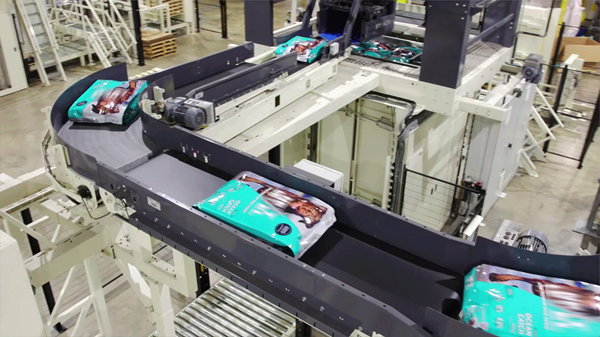 Modern Animal Food Packaging: How Automatic Bagging Equipment Improves Efficiency
October 20, 2025
<p>In the animal feed industry, producers must package an expanding range of products efficiently while maintaining accurate weights and meeting strict standards. Even semi-automated bag filling systems that once sufficed are now struggling to keep pace with modern demands.</p><p>As a plant manager, you're feeling the pressure from multiple angles. Labor shortages make it harder to staff manual bagging stations. Inconsistent fill weights lead to giveaway or compliance issues. Frequent changeovers between different feed types and bag sizes eat into production time. And aging equipment requires constant maintenance just to achieve baseline performance. Ultimately, these challenges demonstrate that automated solutions are not merely an upgrade, but a competitive necessity.</p><p>In this post, we'll explore how modern automated bag filling solutions address these specific pain points, what features to prioritize for animal feed applications, and how integrated systems like Thiele bag filling and Symach palletizers can transform your operational efficiency while ensuring consistent quality across diverse feed types.</p><h2 id="who-we-are">Who We Are</h2><p>BW Flexible Systems helps animal feed producers safeguard product integrity while modernizing their operations with flexible bag filling, sealing and palletizing solutions. Our automated Thiele bagging and Symach palletizing solutions are known for their efficiency, versatility, precision, and ease of operability. We offer our clients training, service and a lifetime of support for every solution sold.</p><h3 id="expanding-scope-animal-feed-packaging">The Expanding Scope of Animal Feed Packaging</h3><p>Animal feed has come a long way from basic grains or standard pellets. Today›s formulations might include carefully balanced nutrients, medicated additives, or tailored blends for specific breeds. This growing diversity pushes packaging lines to become more flexible and precise, ensuring each bag meets the exact nutritional requirements promised on the label.</p><h3 id="beyond-traditional-livestock">Beyond Traditional Livestock</h3><p>Historically, the animal feed market revolved around livestock like cattle, poultry, and swine. However, demand for pet food - especially for dogs and cats - has also grown significantly, and other niche markets are on the rise. Each segment has its product characteristics. For instance, a large, pellet-based livestock feed can be more forgiving when filling bags quickly, whereas specialized canine diets might use smaller kibble or require gentle handling to avoid crushing. Additionally, some companion animal feeds including freeze-dried ingredients or high-fat content can complicate the bagging process if the machinery isn›t adapted for those properties.</p><p>Producers serving multiple segments must manage a wide range of raw materials, ranging from powders and ground ingredients to more dense pellets. This diversity can introduce challenges for weighers, sealing machines, and conveyors alike.</p><h3 id="implications-packaging-lines">Implications for Packaging Lines</h3><p>The shift toward specialized formulas and broader range of feed options means that packaging lines must be versatile enough to handle numerous bag sizes, materials, and fill targets. For instance, a line exclusively designed for 50-pound paper sacks may struggle if the company introduces a 20-pound plastic-laminated option for a niche pet feed. An outdated or manual packaging approach can lead to downtime, inconsistent weights, or even product contamination when switching product SKUs.</p><p>At the same time, regulatory scrutiny around labeling and feed safety is increasing. Labels must accurately display ingredients, usage instructions, and batch data for traceability. If these labels are misapplied or missing, producers face potential legal repercussions and consumer distrust. The solution often lies in automated bag-filling equipment with integrated labeling, check weighing, and data logging to guarantee accuracy.</p><h2 id="why-automation-critical-animal-feed-packaging">Why Automation Is Critical in Animal Feed Packaging</h2><p>Many feed manufacturers still rely on labor-intensive processes, with teams manually scooping, weighing, and sealing bags. While this approach might have sufficed decades ago, the sheer volume and variety of modern feed requirements exceed manual capacity.</p><p>Automation addresses these pressures by improving consistency, cutting labor costs, and shortening turnaround times. It also helps control dust, spillage, and potential contamination risks that can arise when employees have to handle open bags repeatedly. Key benefits of automation include:</p><ul><li><strong>Labor Reduction</strong>: Automated systems reduce the need for operators to lift heavy loads and perform repetitive tasks. This can lower workplace injuries and free up staff for higher-value activities, such as quality assurance or machine supervision.</li><li><strong>Precise Weighing</strong>: Modern weighers and bag-filling systems ensure each package meets the target net weight, eliminating both underfills and costly overfills.</li><li><strong>Dust and Spillage Control</strong>: Enclosed filling stations minimize product loss and create a cleaner workspace, which is vital when dealing with fine or potentially allergenic materials.</li><li><strong>Scalability</strong>: Automated lines can be expanded with additional stations or faster palletizing modules as production demands grow without a full system overhauling the entire system.</li><li><strong>Enhanced Traceability</strong>: Digital controls track lot codes, packaging times, and fill weights, aiding in audits or recalls.</li></ul><p>Each of these advantages contributes directly to improved efficiency and profitability, especially for large or multi-line operations handling varied feed types.</p><h2 id="modern-bag-filling-systems">Modern Bag Filling Systems: A Closer Look</h2><p>At the heart of any automated feed line is the bag-filling solution itself. Today›s equipment goes well beyond simple augers or gravity-fed hoppers. Engineers have introduced advanced mechanical, pneumatic, and hybrid fillers tailored for the texture, density, and flow properties of different feeds.</p><h3 id="mechanical-vs-pneumatic-filling-approaches">Mechanical vs. Pneumatic Filling Approaches</h3><p>Mechanical systems typically use gravity or belt conveyors to move product into the bag, coupled with adjustable gates or feeders to control flow rate. These systems are ideal for free-flowing pellets or grains where minimal bridging occurs. In contrast, pneumatic fillers use pressurized air to move lighter or more powdery materials, which can be prone to clumping or dust generation. Pneumatic systems can reduce bridging, but they might be slower for very large bag sizes.</p><p>Choosing between mechanical, pneumatic or hybrid systems or adopting a combined approach hinges on the product›s characteristics. For instance, a producer with mostly high-density pellets might prefer a mechanical filler, while one handling fine powders or light fluffs might lean toward a pneumatic setup. The end goal remains the same: achieve consistent fill weights, minimal product damage, and dust-free operation.</p><h3 id="integrated-scales-quality-checks">Integrated Scales and Quality Checks</h3><p>Modern bag fillers often feature built-in weigh scales, real-time data displays, and alarm systems for quality assurance. Each bag›s weight is measured precisely before sealing, and if it›s outside specified tolerances, the system can divert it to a rework station. This not only preserves brand integrity but also cuts losses from overweight bags.</p><p>Another emerging trend is metal detection or X-ray inspection integrated into bagging lines, ensuring contaminants like metal shards don›t end up sealed inside. Some lines also include vision systems to verify correct labeling and bag closure. By embedding these checks directly into the packaging stage, manufacturers reduce the risk of shipping flawed products, mitigating potential recalls or consumer complaints.</p><h2 id="designing-efficient-animal-feed-packaging-workflow">Designing an Efficient Animal Feed Packaging Workflow</h2><p>For maximum benefit, bag-filling solutions should slot into a well-orchestrated production environment. The steps from raw material intake to final palletizing must flow in a way that supports high throughput, minimal downtime, and consistent product quality. The key steps involved in this process include:</p><ol><li><strong>Pre-Processing Storage</strong>: Designate silos, hoppers, or bins to hold raw ingredients. Organizing these storage points can reduce cross-contamination and simplify product routing.</li><li><strong>Weighing and Blending</strong>: Use dedicated mixing stations or batch scales to ensure uniform ingredient distribution. Maintaining recipe integrity is critical, as even minor deviations can alter feed performance.</li><li><strong>Bag Filling and Sealing</strong>: Position your automated filler in a dust-controlled area, especially if dealing with fine powders. Sealing mechanisms like pinch seal or sewn closure depend on bag material and product density.</li><li><strong>Coding and Labeling</strong>: Integrate date codes, batch numbers, and brand graphics. Any label mismatch can lead to compliance issues, so automated printing or application stations are often used.</li><li><strong>Palletizing and Shipping</strong>: Once bags are sealed, they move to a palletizing zone where they›re stacked for storage or transit. Consistent stacking patterns limit damage during transport.</li></ol><p>Together, these steps create a cohesive packaging line that transforms raw inputs cleanly packaged, accurately labeled feed products.</p><h2 id="overcoming-common-pitfalls">Overcoming Common Pitfalls in Automated Animal Food Packaging</h2><p>While automation streamlines operations, it›s not without challenges. Identifying and mitigating common challenges can spell the difference between a smooth rollout and costly downtime.</p><h3 id="clogging-vs-bridging">Clogging or Bridging</h3><p>Feed products, especially those with higher moisture or fine particulates, can bridge in hoppers, forming clumps that block flow. When product flow stalls, the filler may deliver inconsistent weights or completely stop. Solutions include installing agitators, vibrators, carefully sloped hopper walls, pulsing mechanisms or air knives to prevent material buildup.</p><p>Controlling humidity in the filling area also helps. If the environment is overly damp, certain feeds can stick to metal surfaces, creating partial blockages. A stable, climate-controlled packaging zone significantly reduces bridging incidents and keeps throughput steady.</p><h3 id="bag-integrity-issues">Bag Integrity Issues</h3><p>Different bag materials, woven polypropylene, paper, and laminated plastics, have varying strengths and sealing requirements. If a bag›s structure isn›t sturdy enough to handle the product weight, rips or punctures become more likely. Operators might see small tears near the seams or corners, especially during high-speed filling. Overfilling or uneven product distribution can also stress the bag, leading to lumps or bulges that hamper sealing.</p><p>Before committing to a packaging material, test it under realistic conditions. Consider how it behaves with the filler›s feed rate, the product›s texture, and the chosen sealing mechanism (sewn vs. heat-sealed).</p><h2 id="training-your-team-maintaining-equipment">Training Your Team and Maintaining Equipment</h2><p>Automation technologies deliver full value when operated and maintained by well-trained staff. Employees should understand the fundamentals of bag filling, such as calibrating weighers, recognizing bridging, and performing emergency stops. Frequent training refreshers keep even experienced team members updated on software changes and best practices.</p><p>Maintenance is equally critical. Track each machine›s performance metrics to spot trends like gradual fill-weight drift or increased downtime. Proactive tasks - such as replacing worn belts, lubricating critical parts, and cleaning dust-laden areas can prevent sudden malfunctions. Ideally, these activities should be scheduled around production lulls to minimize downtime.</p><p>An overlooked area is spare parts inventory. Storing frequently replaced components (like sensors or motor belts) on-site allows for quick swaps rather than waiting on emergency shipments. For bigger repairs, forging a strong relationship with your machinery supplier pays dividends in terms of fast support and minimal disruption.</p><h2 id="boost-your-feed-operations">Boost Your Feed Operations with Automated Bagging & Palletizing</h2><p>As the animal feed industry diversifies, efficient and reliable packaging has become a competitive necessity. Systems like Thiele or Symach offer integrated solutions for bag filling and palletizing, combining gentle product handling, high-accuracy weighing, and robust stacking into one streamlined workflow.</p><p>When you work with BW Flexible Systems, you benefit from our decades of experience tailoring technology to match your unique feed formulations and throughput targets. Here are a few of our systems that can help you get started automating your animal food packaging:</p><ul><li>Thiele Swinger Bag Filling System: The Thiele Swinger is a compact, semi- or fully automated bag filling system that helps small feed mills transition from manual to efficient, scalable operations. With intuitive controls, quick changeovers, and a low-profile design, it›s ideal for producers with limited space and growing demand.</li><li>Thiele OmniStar Bag Filling Machine: Built for speed and precision, the Thiele OmniStar fills up to 20 mid-to-large bags per minute while minimizing spillage and downtime. Its smart diagnostics, automatic reject system, and barcode-driven changeovers make it a powerful solution for producers ready to scale.</li><li>Thiele 6128 Gross Weigh Scale: The Thiele 6128 delivers accurate, consistent weighing with a two-stage system and automatic compensation to ensure every bag meets your standards. It›s fast, easy to operate, and integrates seamlessly with BWFS bagging systems for a streamlined workflow.</li><li>Symach Palletizing Solutions: Symach palletizers come in a variety of speeds and footprints, offering feed producers a variety of options for automating their palletizing.</li></ul><p>Contact us today to learn how these modern systems can drive productivity, quality, and profitability across your entire feed operation.</p>