-vs-fill-seal-(fs)-machines.tmb-webp-xl.webp?Culture=en&sfvrsn=ab9096f2_1)
-vs-fill-seal-(fs)-machines.tmb-webp-md.webp?Culture=en&sfvrsn=ab9096f2_1) Form-Fill-Seal (FFS) vs Fill-Seal (FS) Machines [Infographic]
Form-Fill-Seal (FFS) vs Fill-Seal (FS) Machines [Infographic]
May 18, 2021
<p>When it comes to choosing the right dairy packaging equipment, there are several options to choose from. For yogurt packaging machines, however, there are just two machine classifications that dairy processors commonly choose between – form-fill-seal (FFS) and fill-seal (FS) machines. Choosing the most suitable and cost-efficient machine type for your business largely depends on a handful of operational and business-specific factors. In this post, we will compare the pros and cons of both FFS and FS yogurt cup machines and offer advice on when you might choose one option over the other.</p><p>Before we delve into the pros and cons, let’s set the stage with the basic definitions of FFS and FS machines and why a yogurt or dairy processor might choose one over the other.</p><h2>WHAT IS FFS?</h2><p><a href="https://www.synerlink.com/product-line/inline-form-fill-seal-machines" data-sf-ec-immutable="">Form-fill-seal (FFS) machines</a> use heat and air pressure to convert a plastic film into custom-formed cups that are then filled, sealed, and cut. Versatility, sanitation, and lower labor costs are among the top benefits that make FFS machines attractive to yogurt and dairy processors.</p><h2>WHAT IS FS?</h2><p><a href="https://www.synerlink.com/product-line/inline-cup-fillers" data-sf-ec-immutable="">Fill-seal (FS) machines</a> are used to fill and seal preformed cups. Low-volume cost efficiency, smaller footprints, and end-of-line SKU flexibility are among the top reasons why a yogurt or dairy processor might choose a FS machine.</p><h2>FFS VS FS: YOGURT PACKAGING MACHINES [INFOGRAPHIC]</h2><p><img style="max-width: 100%; height: auto" width="2200" title="FFS vs FS Infographic_2025" height="3400" src="/images/default-source/blog/ffs-vs-fs-infographic_2025.jpg?sfvrsn=d1d485f_0" sf-image-responsive="true" sf-size="522200" alt="FFS vs FS Infographic_2025"></p><h2>WHAT THIS MEANS FOR DAIRY PROCESSORS</h2><h3>Operational Expenses (OPEX)</h3><p>The <span style="text-decoration: underline">OPEX<sup>Operational expenses (OPEX) consist of the ongoing costs associated with running and maintaining a machine or system.</sup></span> advantage between FS and FFS is largely dependent on production volumes. FS offers favorable OPEX for volumes lower than 12,000, whereas FFS is preferable for volumes greater than 12,000. By design, FFS machines can achieve higher <span style="text-decoration: underline">throughput<sup>Throughput refers to the amount of goods and/or products that pass through a packaging machine or system at a given rate.</sup></span> rates than FS machines and allow for more complex automation needs. Some FFS machines can have up to 3 fillers included. FS machines are commonly used for changing over between multiple products run in smaller batches, and thus are designed with operator ergonomics and <span style="text-decoration: underline">changeover<sup>A changeover is the transition time from running one item (or SKU) in a manufacturing process to another. Some machines change over using the “recipe” system, where the parameters for different products are stored and then drawn into the machine parameter database. This allows a packaging machine to run different weights, sizes, and volumes with precision.</sup></span> flexibility in mind.</p><h3>Operational Requirements</h3><p>You can expect lower labor costs with an FFS dairy machine because a single operator can run 2 FFS machines at once. FS machines, on the other hand, often require 2-3 operators for one machine. Because operation of FS machines requires more manual labor, dairy processors who use it are likely to see higher employee turnover rates than processors who use FFS machines.</p><p>On the other hand, FS machines require fewer maintenance operations, resulting in lower labor costs for maintenance. FS machines also typically have a smaller footprint than FFS machines, giving them an advantage for dairy processors working with strict space requirements.</p><h3>Sustainability</h3><p>FFS can claim a lower <span style="text-decoration: underline">carbon footprint<sup>Carbon footprint is the total amount of carbon-based greenhouse gas emissions caused by the consumption of fossil fuels by a particular person, product, service, or manufacturer.</sup></span> than FS because it requires lower utility usage. It can also claim lower transportation costs and emissions because film weighs less and requires less space than preformed cups to transport. Additionally, FFS also allows operators to reduce plastic thickness and, as a result, reduce plastic consumption.</p><p>While Synerlink’s innovative <a href="https://www.synerlink.com/engineering/cutting-tool-technologies" data-sf-ec-immutable="">SNAPCUT cutting tool</a> makes it possible to run PET, PP, and other recyclable plastics on FFS machines, FS has historically been able to claim the advantage of being more flexible for all preformed cups including recyclable packaging materials such as PP, PET, glass, and cardboard.</p><h3>Shelf Appeal</h3><p>Because FFS utilizes film, rather than preformed cups, it offers dairy processors greater flexibility in choosing their own cup shapes for high-volume production. This gives dairy processors an added advantage over competitors who are limited to the shapes of preformed cups. Most of the time, FS cups require stackability that limits the design possibilities. However, for small production batches, FS allows dairy processors to handle a large variety of cup formats with different diameters, with or without snap on lid. In tandem with their FFS machines, Synerlink offers <a href="https://www.synerlink.com/engineering/industrial-packaging-design" data-sf-ec-immutable="">industrial packaging design support</a> to help dairy processors differentiate their packaging design to stand out from their competitors on store shelves.</p><h3>Cup Quality</h3><p>Dairy processors that use FFS machines also maintain greater control over the quality specifications of their cups for higher-volume production. They can define and verify the quality of material that is used to form their cups and be certain that when they stack cups on a pallet, those cups won’t break down under the pressure. High quality pre-formed cups for FS machines can also be acquired, however, they come at a higher price per cup. For this reason, higher quality preformed cups are more likely to be chosen when production volume is lower.</p><h3>Hygiene Requirements</h3><p>FFS has great ultra-clean capabilities for dairy products sold in chilled environments. For example, Synerlink FFS machines ensure proper decontamination (ultra clean) of the inside of the cup prior to the “fill” and “seal” stages of the FFS process. FS gives dairy processors greater access to higher log decontamination of their packaging materials.</p><h3>Pack Formats</h3><p>FFS machines allow dairy processors to produce yogurt multipacks without having to pay for additional stretch plastic or <span style="text-decoration: underline">secondary cardboard packaging<sup>Secondary packaging serves to hold together units of primary packaging, usually to ease the transportation of goods. For example, whereas the box that individual beer cans come in acts as secondary packaging, the cans themselves act as primary packaging.</sup></span>. This is because, by its nature, an FFS machine allows dairy processors to define their own parameters for pack shapes, sizes and such.</p><h3>Capital Expenses (CAPEX)</h3><p>When choosing between an FS and FFS yogurt packaging machine, <span style="text-decoration: underline">capital expenses<sup>Capital expenses (CAPEX) are the initial expenses incurred up front with the purchase of equipment. These costs are typically one-time expenses for factors such as equipment design, permits, installation, etc.</sup></span> are comparable. Neither FS nor FFS have an advantage over the other in this regard.</p><h2>CHOOSING A YOGURT PACKAGING MACHINE</h2><p>Choosing between <a href="https://www.synerlink.com/product-line/inline-form-fill-seal-machines" data-sf-ec-immutable="">FFS</a> and <a href="https://www.synerlink.com/product-line/inline-cup-fillers" data-sf-ec-immutable="">FS</a> is just the first of many decisions you will need to make when selecting new yogurt packaging machine. Beneath both classifications, there are several factors that will inform which specific machine is right for you. For help finding a yogurt packaging machine that is right for your business, contact Synerlink today. <br><a href="https://www.synerlink.com/contact-us" data-sf-ec-immutable="">Contact Us</a></p><h2>RELATED RESOURCES</h2><ul><li><a href="/markets/dairy">Dairy Packaging Machines</a></li><li><a href="https://www.bid-on-equipment.com/blog/post/ffs-101-how-a-form-fill-and-seal-machine-works" data-sf-ec-immutable="" data-sf-marked="">FFS 101: How a Form, Fill and Seal Machine Works (BoI)</a></li><li><a href="https://www.packagingdigest.com/form-fill-seal" data-sf-ec-immutable="">Form Fill Seal Machines (Packaging Digest)</a></li></ul>
 Yogurt Packaging Machines – FFS vs FS
May 11, 2021
<p>When it comes to choosing the right dairy packaging equipment, there are several options to choose from. For yogurt packaging machines, however, there are just two machine classifications that dairy processors commonly choose between – form-fill-seal (FFS) and fill-seal (FS) machines. Choosing the most suitable and cost-efficient machine type for your business largely depends on a handful of operational and business-specific factors. In this post, we will compare the pros and cons of both FFS and FS yogurt cup machines and offer advice on when you might choose one option over the other.</p><p>Before we delve into the pros and cons, let’s set the stage with the basic definitions of FFS and FS machines and why a yogurt or dairy processor might choose one over the other.</p><h2>What is FFS?</h2><p><a href="/products/rigid-filling/form-fill-seal">Form-fill-seal (FFS) machines</a> use heat and air pressure to convert a plastic film into custom-formed cups that are then filled, sealed, and cut. Versatility, sanitation, and lower labor costs are among the top benefits that make FFS machines attractive to yogurt and dairy processors.</p><h2>What is FS?</h2><p><a href="/products/rigid-filling/fill-seal">Fill-seal (FS) machines</a> are used to fill and seal preformed cups. Low-volume cost efficiency, smaller footprints, and end-of-line SKU flexibility are among the top reasons why a yogurt or dairy processor might choose an FS machine.</p><h2>What This Means for Dairy Processors</h2><h3>Operational Expenses (OPEX)</h3><p>The OPEX advantage between FS and FFS is largely dependent on production volumes. FS offers favorable OPEX for volumes lower than 12,000, whereas FFS is preferable for volumes greater than 12,000. By design, FFS machines can achieve higher throughput rates than FS machines and allow for more complex automation needs. Some FFS machines can have up to 3 fillers included. FS machines are commonly used for changing over between multiple products run in smaller batches, and thus are designed with operator ergonomics and changeover flexibility in mind.</p><h3>Operational Requirements</h3><p>You can expect lower labor costs with an FFS dairy machine because a single operator can run 2 FFS machines at once. FS machines, on the other hand, often require 2-3 operators for one machine. Because the operation of FS machines requires more manual labor, dairy processors who use them are likely to see higher employee turnover rates than processors who use FFS machines.</p><p>On the other hand, FS machines require fewer maintenance operations, resulting in lower labor costs for maintenance. FS machines also typically have a smaller footprint than FFS machines, giving them an advantage for dairy processors working with strict space requirements.</p><h3>Sustainability</h3><p>FFS can claim a lower carbon footprint than FS because it requires lower utility usage. It can also claim lower transportation costs and emissions because film weighs less and requires less space than preformed cups to transport. Additionally, FFS also allows operators to reduce plastic thickness and, as a result, reduce plastic consumption.</p><p>While BW Packaging's innovative SNAPCUT cutting tool makes it possible to run PET, PP, and other recyclable plastics on FFS machines, FS has historically been able to claim the advantage of being more flexible for all preformed cups, including recyclable packaging materials such as PP, PET, glass, and cardboard.</p><h3>Shelf Appeal</h3><p>Because FFS utilizes film, rather than preformed cups, it offers dairy processors greater flexibility in choosing their own cup shapes for high-volume production. This gives dairy processors an added advantage over competitors who are limited to the shapes of preformed cups. Most of the time, FS cups require stackability that limits the design possibilities. However, for small production batches, FS allows dairy processors to handle a large variety of cup formats with different diameters, with or without a snap-on lid. In tandem with their FFS machines, BW Packaging offers industrial packaging design support to help dairy processors differentiate their packaging design to stand out from their competitors on store shelves.</p><h3>Cup Quality</h3><p>Dairy processors that use FFS machines also maintain greater control over the quality specifications of their cups for higher-volume production. They can define and verify the quality of material that is used to form their cups and be certain that when they stack cups on a pallet, those cups won’t break down under the pressure. High-quality pre-formed cups for FS machines can also be acquired; however, they come at a higher price per cup. For this reason, higher quality preformed cups are more likely to be chosen when production volume is lower.</p><h3>Hygiene Requirements</h3><p>FFS has great ultra-clean capabilities for dairy products sold in chilled environments. For example, BW Packaging FFS machines ensure proper decontamination (ultra clean) of the inside of the cup before the “fill” and “seal” stages of the FFS process. FS gives dairy processors greater access to higher log decontamination of their packaging materials.</p><h3>Pack Formats</h3><p>FFS machines allow dairy processors to produce yogurt multipacks without having to pay for additional stretch plastic or secondary cardboard packaging. This is because, by its nature, an FFS machine allows dairy processors to define their own parameters for pack shapes, sizes, and such.</p><h3>Capital Expenses (CAPEX)</h3><p>When choosing between an FS and FFS yogurt packaging machine, capital expenses are comparable. Neither FS nor FFS has an advantage over the other in this regard.</p><h2>Choosing a Yogurt Packaging Machine</h2><p>Choosing between FFS and FS is just the first of many decisions you will need to make when selecting a new yogurt packaging machine. Beneath both classifications, there are several factors that will inform which specific machine is right for you. For help finding a yogurt packaging machine that is right for your business, contact BW Packaging today.</p>
 Balancing Recyclability Requirements with Product Differentiation
November 28, 2019
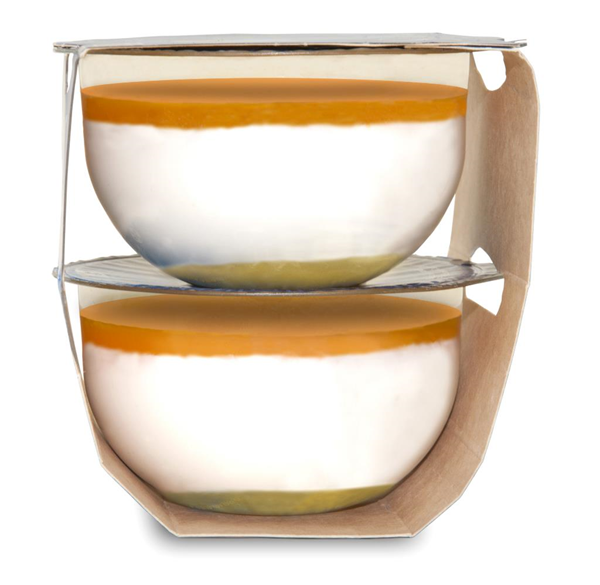
<p>As a leader in packaging and wrapping solutions for fresh dairy products and desserts, BW Packaging supports manufacturers as they adapt to evolving market requirements—offering multiple solutions to meet today’s challenges.</p><p>One of the latest innovations appearing on store shelves is a three‑layer gourmet dessert packaged in a single cup thermoformed from transparent PET. Combining premium visual appeal with recyclability and cost efficiency, this packaging format responds directly to growing market expectations.</p><p>Balancing differentiation, recyclability, and profitability is a complex challenge for marketing and production teams alike. At the request of a major global dairy player, BW Packaging rose to this challenge with a highly advanced solution.</p><p>The proposed system is an <a href="/products/rigid-filling/form-fill-seal">Arcil Form‑Fill‑Seal machine</a> equipped with three fillers, capable of producing up to 40,000 cups per hour. It precisely fills three distinct flat layers: a fruit‑based bottom layer with large, clearly visible pieces, a middle layer of high‑protein yogurt with a smooth surface, and a uniform topping of fruit coulis.</p><p>The cups are sealed with a heat‑sealed PET lid, trimmed inline to deliver a smooth, glossy finish. This surface quality clearly stands out compared with the honeycombed or micro‑perforated lids often found on premium preformed cups.</p><p>Designed for flexibility and hygiene, the machine operates in ultra‑clean conditions. Two of the fillers can be removed for purging or cleaned in place (CIP) during masked time, allowing maintenance and product changeovers without interrupting production.</p><p>Filling accuracy and product presentation are uncompromised. The use of crystal‑clear, thermoformed PET showcases the dessert’s layered structure with a 360‑degree view, enhancing shelf appeal. Made from 100% PET, the packaging offers a glass‑like appearance while being fully recyclable as a mono‑material solution.</p><p>As market trends push manufacturers to rethink traditional production practices, BW Packaging helps guide this transition—delivering solutions that address recyclability, elevate premium positioning, and maintain low production costs.</p>