RFID is quickly becoming a business requirement for manufacturers. Learn why the technology continues to grow in popularity and how your packaging line can help support it.
For years, RFID (Radio Frequency Identification) was viewed as a specialized technology used primarily for tracking pallets, cases, or high-value assets. Today, that perception is changing rapidly.
Driven by retailer requirements, traceability initiatives, omnichannel fulfillment models, and growing demands for real-time inventory visibility, RFID is quickly becoming a standard part of modern supply chains. Major retailers, including Walmart, have expanded RFID requirements across numerous product categories as they seek greater inventory accuracy and improved product availability.
As adoption accelerates, manufacturers should begin asking an important question:
Where in our production process does RFID make the most sense?
For many organizations, the answer is the packaging line.
What Is RFID?
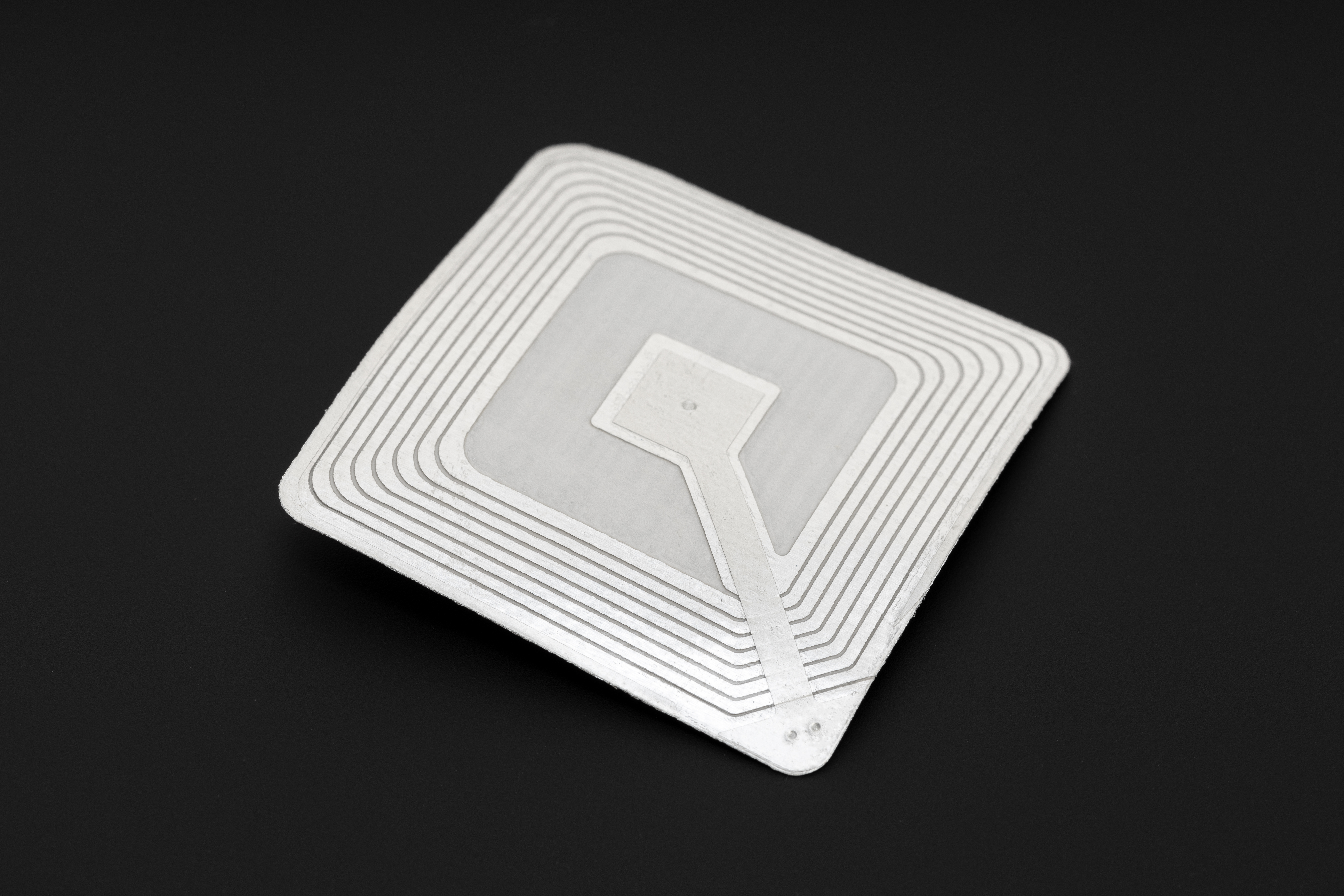
RFID uses small tags that contain a microchip and antenna to wirelessly transmit product identification information. Unlike traditional barcodes, RFID tags do not require line-of-sight scanning and can be read automatically at much greater speed and scale.
Each RFID tag can provide a unique digital identity for an individual item, case, or pallet.
This capability transforms products from physical objects into connected assets that can be tracked throughout manufacturing, distribution, and retail environments. RFID delivers:
- Automated identification
- Improved inventory accuracy
- Enhanced product traceability
- Faster supply chain visibility
- Better data management and compliance capabilities
Why Retailers Are Driving RFID Adoption
The value of RFID extends across the supply chain, but some of the strongest momentum is coming from retailers.
As e-commerce, buy-online-pickup-in-store programs, and distributed fulfillment models continue to grow, retailers need accurate, real-time visibility into inventory. Traditional inventory counting methods often create gaps between what systems believe is available and what is actually on the shelves.
RFID helps close that gap.
Retailers can quickly scan thousands of items, improve inventory accuracy, reduce out-of-stocks, and gain better visibility across stores and distribution centers. Industry reports suggest RFID can help retailers achieve inventory accuracy levels exceeding 95%, supporting more reliable omnichannel operations.
As more retailers pursue similar strategies, suppliers increasingly view RFID readiness as a competitive advantage (or necessity) rather than a future consideration.
The Business Benefits Extend Far Beyond Retail Compliance
Even if your business is not currently subject to an RFID mandate, there are compelling reasons to explore RFID adoption.
End-to-End Traceability
RFID creates a digital thread that follows products through manufacturing, warehousing, transportation, and retail environments.
This enhanced visibility can support:
- Product recalls
- Reduced food waste
- Maintaining product quality
- Regulatory reporting
- Supply chain transparency initiatives
Organizations gain a clearer understanding of where products are located and how they move through the supply chain. End-to-end traceability is consistently identified as one of RFID's most valuable capabilities.
Better Inventory Accuracy
Knowing exactly what inventory exists and where it is located can significantly improve operational performance.
RFID helps manufacturers and retailers:
- Reduce manual inventory counts
- Minimize inventory discrepancies
- Improve replenishment decisions
- Reduce out-of-stock situations
Improved inventory accuracy often translates directly into improved customer service and reduced operational costs.
Faster, More Efficient Operations
Because RFID enables automated identification, businesses can process products faster than traditional barcode-based methods.
Applications include:
- Automated receiving
- Warehouse movement tracking
- Shipping verification
- Inventory audits
- Production monitoring
These efficiencies become increasingly valuable as organizations scale operations and manage more complex product portfolios.
Why the Packaging Line Is the Natural Place for RFID
One of the biggest challenges organizations face is determining where RFID should be introduced into the manufacturing process.
For many products, the packaging line is the most logical insertion point.
By the time products reach labeling, tamper-evident sealing, or final packaging operations, they already possess the information needed to establish a unique digital identity.
This creates an opportunity to:
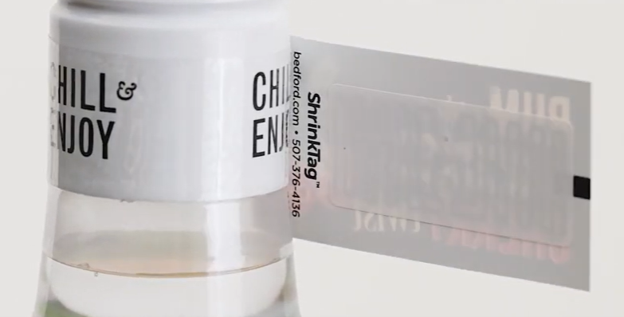
- Apply RFID-enabled labels
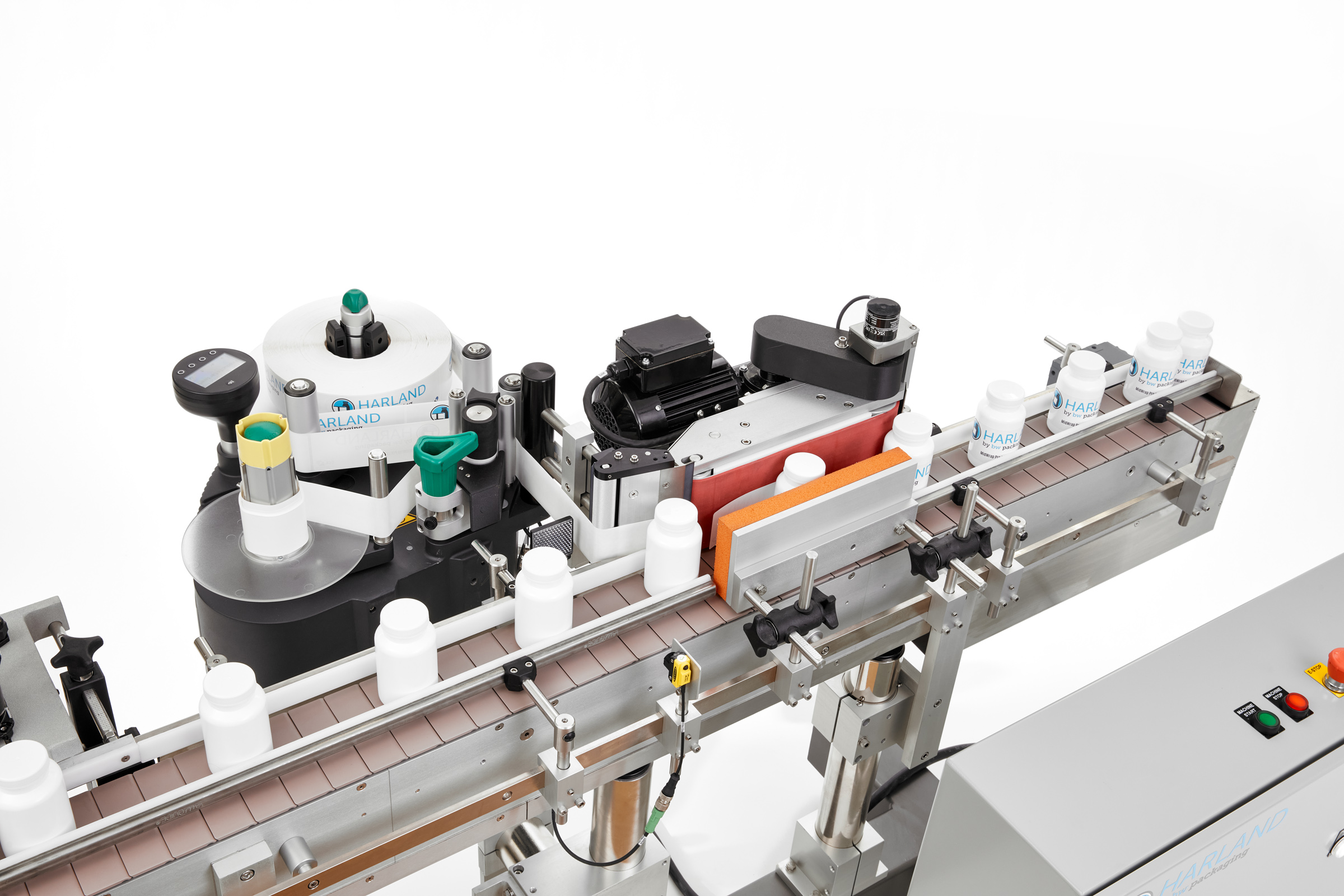
- Integrate RFID with existing label application processes
- Combine traceability with branding and regulatory labeling
- Verify tag functionality before shipping
Rather than creating a separate RFID operation downstream, manufacturers can often leverage existing automated packaging infrastructure to incorporate RFID as part of normal production workflows.
For operations already applying pressure-sensitive labels, tamper-evident labels, security labels, or serialized labels, RFID can become a natural extension of those processes.
Preparing for the Next Wave of Supply Chain Visibility
Industry forecasts suggest RFID adoption will continue to grow significantly in the coming years, driven by retail, logistics, manufacturing, and food-sector initiatives. According to figures cited in the presentation, passive UHF RFID tag volumes exceeded 60 billion tags in 2025 and are projected to surpass 110 billion by 2028.
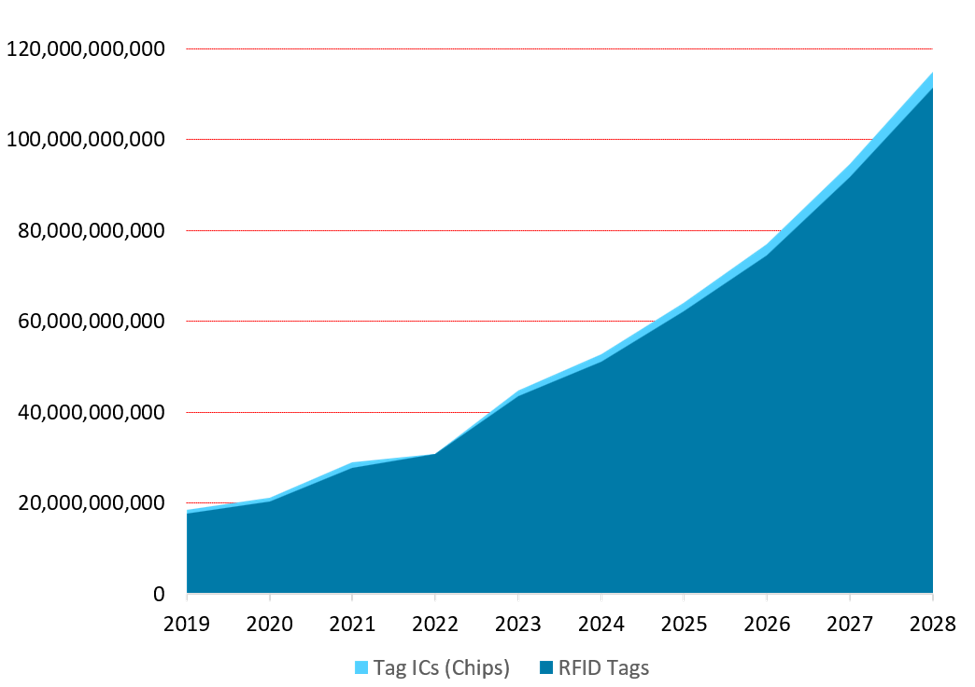
For manufacturers, the question may soon shift from "Should we be thinking about RFID?" to "How quickly can we implement it?"
Organizations that begin evaluating RFID today will be better positioned to meet future customer requirements, support growing traceability demands, and unlock the operational benefits that come with greater supply chain visibility.
In many cases, that journey starts with a label, and the packaging line is where it can happen most efficiently. Contact us to speak with an expert on our team about how to integrate RFID into your labeling and packaging processes.