 Optimize Your Packaging Operations: Revealing Hidden TCO Costs for Rigid Filling Lines
July 1, 2025
<h2><strong>Uncover and Control the Hidden Costs of TCO and their Impact on Your Profits</strong></h2><p><strong>What’s Inside?</strong></p><p>Total Cost of Ownership (TCO) is impacted by hidden costs that will affect your bottom line. This guide is packed with cost-saving tips developed with feedback from BW Packaging customers. It uncovers surprising TCO drivers, and provides actionable steps you can take to optimize operations and reduce costs.</p><p>Our holistic approach looks deeply into the cost of owning and maintaining equipment throughout its lifetime and includes:</p><ul><li>Operator costs</li><li>Geographical impacts</li><li>ESG considerations</li><li>Aftermarket services</li><li>Packaging design optimization</li></ul><p>Maintain your competitive edge in the market—download this free white paper now!</p><p><a href="https://share.hsforms.com/1QEKk4ciuRx-_1i_8Yyh-Cw3c53k" data-sf-ec-immutable="" class="button blue" data-sf-marked="">Download White Paper</a></p>
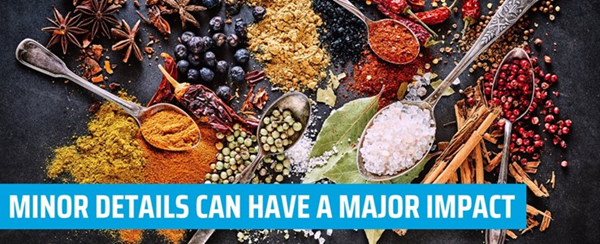 Minor Details can Have a Major Impact
December 8, 2024
<p style="text-align: center"><strong>Start with the Engineering Details for Reliable Dry Filling Equipment</strong></p><p style="text-align: left">When it comes to your customers, you pay attention to details: details your customers will recognize, appreciate, and may even view as the solid foundation of your relationship. Maybe it's the range of sizes you provide, so there's one that's perfect for every need.</p><p style="text-align: left">Some details aren't noticed until they're overlooked. It's not just a matter of providing convenience; you're making sure your dry product is precisely filled, whether it's medication, a cleaning product, a chemical or a cake mix. That it reseals tightly so ingredients stay fresh and flavorful. That it's easy to grip and open, whether your customer is 28 or 88. That you offer sizes that work for a busy family meal or a snack that slips into a lunch box or gym bag. At <strong>Mateer</strong>, we believe in partnering with you to provide the kind of details you <em>and </em>your customers will value.</p><p style="text-align: left">Attention to detail is the foundation for excellence in the design, engineering, and performance of our Mateer precision dry filling equipment. Our semi-automatic, automatic, and rotary machines provide high filling accuracy across a wide range of product consistencies, including free-flowing and non-free-flowing powders; creams; pastes; and slurries. Every Mateer filler is manufactured with pride to even the smallest of details:</p><ul style="text-align: left"><li>Every weld is ground and polished to eliminate burrs and crevices where bacteria can grow</li><li>Standard auger bearings are replaced with an oversized heavy-duty version, resulting in longer life</li><li>Aluminum heads are cast, not formed from welding pieces together, eliminating torque twist</li><li>Auger height adjustments are located outside the production zone, allowing operators to make adjustments in seconds, <em>without disrupting production</em> and without the need to place their hands inside the hopper, ensuring their safety while also reducing the risk of product contamination</li><li>Change parts are designed to be tool-free, enabling product changeover in as little as 10 minutes</li></ul><p>Details like these minimize unscheduled downtime and improve operational efficiency with precise filling accuracy (within +/- 1.5%) and speeds from 8 to 650 Containers Per Minute (CPM), depending on the specific requirements of your application. They improve safety and cleanability. They ensure longer life for your equipment, with a lower Total Cost of Ownership (TCO), and they make it easier to operate and maintain. Mateer fillers grown with your company because our engineers design with your project's specific parameters in mind.</p><p>If you're interested in learning more about how we can build the perfect dry filling solution for you – based on the specific requirements for your product – reach out to our experts and let's talk about those details!</p><p style="text-align: left"> </p>
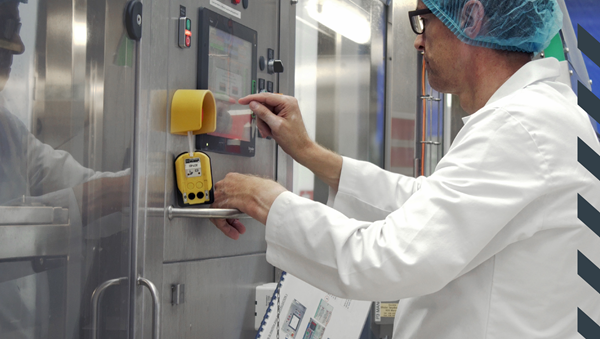 The Top 5 Ways to Extend the Life of Your Machinery
August 20, 2024
<h2><span style="background-color: rgba(0, 0, 0, 0); font-family: inherit; font-size: inherit; text-align: inherit; text-transform: inherit; word-spacing: normal; caret-color: auto; white-space: inherit">OPTIMIZING YOUR AFTERMARKET PACKAGING OPERATIONS: FROM CONCEPT TO EXECUTION </span></h2><p><span style="background-color: rgba(0, 0, 0, 0); color: inherit; font-family: inherit; font-size: inherit; text-align: inherit; text-transform: inherit; word-spacing: normal; caret-color: auto; white-space: inherit">In today's fast-paced CPG market (Consumer Packaging Goods), the efficiency and durability of operations is crucial for maintaining a competitive edge. This article summarizes insights from BW Filling & Closing's (BWFC) expertise across five key areas of the aftermarket business, providing a comprehensive guide to optimizing packaging processes, from product qualification to operational expenditure. </span><br></p><div><span style="background-color: rgba(0, 0, 0, 0); color: inherit; font-family: inherit; font-size: inherit; text-align: inherit; text-transform: inherit; word-spacing: normal; caret-color: auto; white-space: inherit">BWFC experts are sharing and giving solutions to the most common issues faced by manufacturers on their machines. Download the complete guide <a data-sf-ec-immutable="" target="_blank" href="https://synerlink-go.bwpackagingsystems.com/aftermarket-guide#form-to-subscribe"><strong>“How to Care for Your Equipment” </strong></a><strong> </strong></span><br></div><div><p> </p></div><h2>NAVIGATING PACKAGING COMPLEXITY </h2><p><span style="background-color: rgba(0, 0, 0, 0); color: inherit; font-family: inherit; font-size: inherit; text-align: inherit; text-transform: inherit; word-spacing: normal; caret-color: auto; white-space: inherit">The landscape of packaging is constantly evolving, driven by consumer preferences, technological advancements, and sustainability demands. To thrive, companies must ensure their packaging operations are efficient and adaptable to new products and market trends. </span>BWFC<span style="background-color: rgba(0, 0, 0, 0); color: inherit; font-family: inherit; font-size: inherit; text-align: inherit; text-transform: inherit; word-spacing: normal; caret-color: auto; white-space: inherit">'s comprehensive approach addresses these needs through innovative solutions and expert guidance to help extend the life of your equipment. Discover </span>BWFC<span style="background-color: rgba(0, 0, 0, 0); color: inherit; font-family: inherit; font-size: inherit; text-align: inherit; text-transform: inherit; word-spacing: normal; caret-color: auto; white-space: inherit">’s approach and explore the top five ways to care for your packaging equipment: </span></p><p> </p><h2>1. OPTIMIZE OPERATIONAL EXPENDITURES (OPEX) </h2><p><span style="background-color: rgba(0, 0, 0, 0); color: inherit; font-family: inherit; font-size: inherit; text-align: inherit; text-transform: inherit; word-spacing: normal; caret-color: auto; white-space: inherit">Efficient management of operational expenditures is vital for maximizing profitability and ensuring business continuity. Key strategies include optimizing raw materials, minimizing product loss, and implementing preventive maintenance plans. </span>BWFC <span style="background-color: rgba(0, 0, 0, 0); color: inherit; font-family: inherit; font-size: inherit; text-align: inherit; text-transform: inherit; word-spacing: normal; caret-color: auto; white-space: inherit">supports clients with services such as packaging design proposals, machine upgrades, and tailored service contracts. These efforts help reduce OpEx while enhancing equipment efficiency and reliability. </span><br></p><p><span style="background-color: rgba(0, 0, 0, 0); color: inherit; font-family: inherit; font-size: inherit; text-align: inherit; text-transform: inherit; word-spacing: normal; caret-color: auto; white-space: inherit">Read the full guide on <a data-sf-ec-immutable="" target="_blank" href="https://www.synerlink.com/about-us/blog/blog/2024/01/23/packaging-opex-crash-course--a-plant-manager-s-guide-to-optimizing-operational-expenditures"><strong>how to optimize Opex</strong></a></span><span style="background-color: rgba(0, 0, 0, 0); color: inherit; font-family: inherit; font-size: inherit; text-align: inherit; text-transform: inherit; word-spacing: normal; caret-color: auto; white-space: inherit"><strong> </strong></span><br></p><p> </p><h2>2. ENHANCE TECHNICAL EFFICIENCY FOR AFTERMARKET EXCELLENCE </h2><p><span style="background-color: rgba(0, 0, 0, 0); color: inherit; font-family: inherit; font-size: inherit; text-align: inherit; text-transform: inherit; word-spacing: normal; caret-color: auto; white-space: inherit">Technical efficiency is a cornerstone of productive packaging operations. It directly impacts overall equipment effectiveness (OEE) by reducing waste, extending production cycles, and improving safety. </span>BWFC <span style="background-color: rgba(0, 0, 0, 0); color: inherit; font-family: inherit; font-size: inherit; text-align: inherit; text-transform: inherit; word-spacing: normal; caret-color: auto; white-space: inherit">offers tools to help monitor efficiency and optimizing maintenance practices. By focusing on technical efficiency, companies can achieve reliable and cost-effective operations, setting the foundation for aftermarket excellence. </span><br></p><p><span style="background-color: rgba(0, 0, 0, 0); color: inherit; font-family: inherit; font-size: inherit; text-align: inherit; text-transform: inherit; word-spacing: normal; caret-color: auto; white-space: inherit">Learn more about <a data-sf-ec-immutable="" target="_blank" href="https://www.synerlink.com/about-us/blog/blog/2024/02/21/packaging-equipment-technical-efficiency-a-cpg-s-first-step-to-aftermarket-excellence"><strong>how to enhance Technical Efficiency </strong></a></span><br></p><p><span style="background-color: rgba(0, 0, 0, 0); color: inherit; font-family: inherit; font-size: inherit; text-align: inherit; text-transform: inherit; word-spacing: normal; caret-color: auto; white-space: inherit"> </span></p><h2>3. ALIGN AFTERMARKET PROGRAMS WITH MARKETING INITIATIVES </h2><p><span style="background-color: rgba(0, 0, 0, 0); color: inherit; font-family: inherit; font-size: inherit; text-align: inherit; text-transform: inherit; word-spacing: normal; caret-color: auto; white-space: inherit">Marketing-driven goals such as sustainability and premiumization often result in packaging changes. </span>BWFC <span style="background-color: rgba(0, 0, 0, 0); color: inherit; font-family: inherit; font-size: inherit; text-align: inherit; text-transform: inherit; word-spacing: normal; caret-color: auto; white-space: inherit">helps bridge the gap between marketing and production by providing machine adaptation planning and expertise in packaging design. By aligning aftermarket programs with marketing strategies, companies can achieve seamless transitions and maintain production efficiency. For example, customers who are ready to switch to sustainable materials such as PET for their packaging allow </span>BWFC <span style="background-color: rgba(0, 0, 0, 0); color: inherit; font-family: inherit; font-size: inherit; text-align: inherit; text-transform: inherit; word-spacing: normal; caret-color: auto; white-space: inherit">to demonstrate the benefits of this collaborative approach. </span><br></p><p>Read the case study and learn more about <a data-sf-ec-immutable="" target="_blank" href="https://www.synerlink.com/about-us/blog/blog/2024/03/20/aligning-aftermarket-programs-with-marketing"><strong>aligning aftermarket programs with Marketing</strong></a></p><p> </p><h2>4. OPTIMIZE SPARE PARTS WITH A RELIABLE PLAN </h2><p><span style="background-color: rgba(0, 0, 0, 0); color: inherit; font-family: inherit; font-size: inherit; text-align: inherit; text-transform: inherit; word-spacing: normal; caret-color: auto; white-space: inherit">A reliable spare parts plan is essential for minimizing production downtime and maintaining efficiency. </span>BWFC <span style="background-color: rgba(0, 0, 0, 0); color: inherit; font-family: inherit; font-size: inherit; text-align: inherit; text-transform: inherit; word-spacing: normal; caret-color: auto; white-space: inherit">emphasizes the importance of sourcing parts directly from OEMs to ensure compatibility and reliability. Stocking high-demand parts and utilizing customized kits tailored to specific machinery needs can prevent costly delays. </span>BWFC<span style="background-color: rgba(0, 0, 0, 0); color: inherit; font-family: inherit; font-size: inherit; text-align: inherit; text-transform: inherit; word-spacing: normal; caret-color: auto; white-space: inherit">'s global delivery capabilities and extensive inventory ensure quick access to essential components, reducing the risk of prolonged disruptions. </span><br></p><p><span style="background-color: rgba(0, 0, 0, 0); color: inherit; font-family: inherit; font-size: inherit; text-align: inherit; text-transform: inherit; word-spacing: normal; caret-color: auto; white-space: inherit">Discover <a data-sf-ec-immutable="" target="_blank" href="https://www.synerlink.com/about-us/blog/blog/2024/04/23/optimizing-spare-parts--how-to-build-a-reliable-spare-parts-aftermarket-plan"><strong>how to build a reliable spare parts plan </strong></a></span><br></p><p> </p><h2>5. QUALIFY NEW PRODUCTS </h2><p><span style="background-color: rgba(0, 0, 0, 0); color: inherit; font-family: inherit; font-size: inherit; text-align: inherit; text-transform: inherit; word-spacing: normal; caret-color: auto; white-space: inherit">Launching new products requires careful consideration of existing equipment capabilities. </span>BWFC <span style="background-color: rgba(0, 0, 0, 0); color: inherit; font-family: inherit; font-size: inherit; text-align: inherit; text-transform: inherit; word-spacing: normal; caret-color: auto; white-space: inherit">recommends a structured approach to product qualification, involving lab tests, on-site evaluations, and detailed reporting. This process helps identify potential challenges early, allowing for necessary adjustments and ensuring seamless integration into production lines. By collaborating closely with original equipment manufacturers (OEMs), companies can mitigate risks and ensure a smooth transition from concept to market. </span><br></p><p><span style="background-color: rgba(0, 0, 0, 0); color: inherit; font-family: inherit; font-size: inherit; text-align: inherit; text-transform: inherit; word-spacing: normal; caret-color: auto; white-space: inherit">Uncover </span> <a data-sf-marked="" data-sf-ec-immutable="" target="_blank" href="https://www.synerlink.com/about-us/blog/blog/2024/05/29/from-lab-to-launch-qualifying-new-products-and-packaging-for-your-existing-packaging-equipment"><strong>what makes an effective product qualification process </strong></a><br></p><p> </p><h2>EXTEND THE LIFE OF YOUR MACHINERY WITH BWFC</h2><p><span style="background-color: rgba(0, 0, 0, 0); color: inherit; font-family: inherit; font-size: inherit; text-align: inherit; text-transform: inherit; word-spacing: normal; caret-color: auto; white-space: inherit">To stay competitive in the market while saving on costs, a proactive aftermarket strategy is essential. </span>BWFC<span style="background-color: rgba(0, 0, 0, 0); color: inherit; font-family: inherit; font-size: inherit; text-align: inherit; text-transform: inherit; word-spacing: normal; caret-color: auto; white-space: inherit">'s comprehensive aftermarket tactics including optimizing OpEx, product qualification, technical efficiency and more, helps brands stay prepared and ensures longevity in your packaging equipment. Access more expert insight from </span>BWFC <span style="background-color: rgba(0, 0, 0, 0); color: inherit; font-family: inherit; font-size: inherit; text-align: inherit; text-transform: inherit; word-spacing: normal; caret-color: auto; white-space: inherit">today with the complete guide <a data-sf-ec-immutable="" target="_blank" href="https://synerlink-go.bwpackagingsystems.com/aftermarket-guide#form-to-subscribe"><strong>“How To care For Your Equipment” </strong></a></span><span style="background-color: initial; font-family: inherit; font-size: inherit; text-align: inherit; text-transform: inherit; word-spacing: normal; caret-color: auto; white-space: inherit"></span></p>
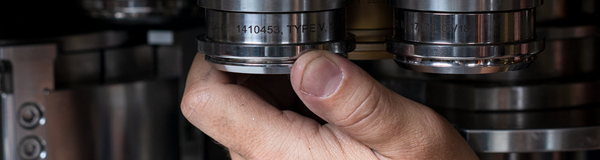 Aftermarket Shouldn't be an Afterthought
July 9, 2024
<p style="text-align: center"><strong>The Importance of the OEM-Customer Relationship</strong></p><p style="text-align: left">Before you purchase a piece of equipment for your production line, you do your research. You consider your project and objectives, you review different manufacturers, and you may even talk to industry peers about their experiences, in other words, you put a lot of time into selecting the right equipment and supplier to help you achieve your goals. It stands to reason, then, that you want to take the same care in deciding whether to use the original equipment manufacturer (OEM) for service and parts, or whether you elect to go with a third-party provider.</p><p style="text-align: left">At BW Filling & Closing (formerly Pneumatic Scale Angelus), we believe that no matter what equipment you have, it's in your best interest to rely on the OEM's expertise and the integrity of parts designed specifically for your machine to meet your aftermarket needs. Third-party providers often make what may initially seem like good arguments to choose their product, but it's important to understand what trade-offs you might be making when you choose that path. We sat down with two of our aftermarket experts to dig in a little deeper and hear what they had to say on the subject.</p><p style="text-align: left"><strong>Q. Isn't one replacement part like another? Why bother with OEM parts?</strong></p><p style="text-align: left"><strong>A. Replacement parts are as unique as the machine that was designed and built to achieve your specific goals. </strong>As Matt Spiegel, Vice President of Customer Service explains, "We have the history and knowledge and technical ability to support all the equipment we design and manufacture. The ability to look up old prints for reference.... All design upgrades and improvements are meticulously documented to make sure you get the latest version of a part — the one intended for your specific piece of equipment. A third-party provider will not have that history or know why something was designed the way it was, or why one material was chosen over another, to make sure parts and machines interact correctly. [Our customers] take comfort in knowing parts are designed and made correctly." In the end, third-party suppliers must rely on reverse engineering the design versus following the latest design specification for a given part. As a result, you can never be certain the version they modeled your part after is the most current, with all of its respective updates and enhancements.</p><p style="text-align: left">Jet Hajec, our Vice President of Seamer Sales adds another important point. "There's a guarantee and warrantee that the OEM stands behind that a third-party or aftermarket rebuilder doesn't provide. And we make it easy to get replacements quickly — simply provide the model and serial number of your machine and the part number you need, and we can usually ship it the same day."</p><p style="text-align: left"><strong>Q. Is all of your equipment designed and built to meet individual project goals?</strong></p><p style="text-align: left"><strong>A. Yes, with the exception of our industry-leading Angelus seamers, all of our machines are designed to the unique specifications of each customer's application. </strong>"Working with an OEM, you are getting the solution and parts designed to work with your specific machine," says Matt. "The measurements, fit and materials will be identical to, or an upgrade of, the originals. Which means the precision, speed and efficiency of your production line will be like new."</p><p style="text-align: left">Compare this with what you get with many third-party components. They simply don't have the hand-in-glove fit that the OEM piece will have because they aren't manufactured using the original designs. And third-party replacement parts can be noticeably thinner than the originals. Thinner parts may cost less initially, but they won't last as long and are likely to warp or snap, meaning you'll spend more money to replace them more often. You won't get the same reliability or longevity out of them as an OEM part, and your overall performance is likely to suffer.</p><p style="text-align: left"><strong>Q. What do your repairmen do that others don't?</strong></p><p style="text-align: left"><strong>A. First, we don't use repairmen, we send fully trained Field Service Technicians to work on our equipment. </strong> They may be Certified Technicians, Technical Specialists or Technical Masters, or a combination of the three, depending on the complexity of the work required.</p><p style="text-align: left">A third-party repairman's goal is to quickly install a replacement part, get the machine running, and get back to the shop. As an OEM Service Technician, our experts not only get your equipment running again, but they'll ensure it is tuned specifically to restore it to its original operational specifications. They'll look at the overall performance of the machine, noting anything that might keep if from achieving your production goals. Our experts can also identify preventive measures or upcoming maintenance that can be completed during the repair that will enable you to avoid downtime and additional expense later. That's part of our OEM commitment to service.</p><p style="text-align: left"><strong>Q. What if my equipment isn't one of your brands? Will you still provide parts and service?</strong></p><p style="text-align: left"><strong>A. Absolutely! You don't have to own our equipment to be part of the BW Filling & Closing family! </strong> Zepf Solutions is our industry-leading change parts and storage solutions provider. They provide tool-free change parts for fast changeovers, regardless of machine brand. Their storage solutions improve efficiency and decrease downtime and waste.</p><p style="text-align: left">In order to protect your warranty on another OEM's machine, we won't repair equipment that isn't ours, but many customers do elect to try our aftermarket services before investing in our equipment. "There is less risk for the customer on aftermarket," says Jet. "This is our time to demonstrate how we handle small projects — a mechanical or electrical upgrade, for example — with a sense of urgency. To showcase our ability to support your essential equipment in the field. We pride ourselves on building a relationship with our customers, so that, ultimately, they say 'Yes, we trust BW Filling & Closing, their equipment and their team.' You start small and build on that foundation."</p><p style="text-align: left"><strong>Q. Are there benefits to using my OEM for aftermarket products and services?</strong></p><p style="text-align: left"><strong>A. Yes. In addition to having a company that stands behind its work, the things that are important to BW Filling & Closing as an OEM are just as important when we are providing parts and service. </strong> "Safety is important," Jet says. "It's rare that you hear that a third-party provider has category 3 safety features — or that it's engineered for redundancy or wiring or machine-mounted safety features. This is an OSHA requirement. We will not let a machine out of one of our manufacturing facilities unless it's properly guarded. Being the OEM, you're held to a certain level. An expectation. And you don't walk away from that responsibility. We're heavily invested in the product we've designed and innovated. A third-party provider just doesn't have that same level of investment."</p><p style="text-align: left">Another key advantage with an OEM is that we will repair your equipment, regardless of its age. Matt says. "I recently quoted a part for a machine built in 1917! It's fairly common that we see parts from 60 to 70 years ago. Our service Techs know how to work on all makes and models, and it's the same for Customer Service and Sales. We support machines from over a century ago. We think that's pretty unique in this industry."</p><p style="text-align: left">When BW Filling & Closing is your OEM, letting us serve your aftermarket needs further enhances the long-term relationship we strive to build with you. Jet explains, "The end goal is to be a trusted advisor — a true partner in your success. It's not always about selling, but about being a valuable source of expertise, capable of offering the best solution. Some companies teach against building relationships. It's not that way with our team. From the Sales Exec to the Field Service Technician, to the Customer Service rep, we try to provide as many touch points as possible. We also have the backing of Barry-Wehmiller and the network of our sister companies who can provide solutions, too."</p><p style="text-align: left">Matt seconds this approach. "Number one is building the relationship. Making sure customers have appropriate names and numbers they can call for help, making sure we're responsive. It can be customer service, field service, outside sales...the relationship is what drives our business. Provide quality solutions in a timely manner. Be keenly aware of the customer's requirements. Make sure the correct questions are asked, and that timely follow-up happens."</p><p style="text-align: left">Jet went on to explain that he — and the entire BW Filling & Closing team — believes firmly in the principles outlines in the Top Gun sales training program about the importance of serving your customer, which he summarizes this way: "the attitude of servitude — be a servant to your clients. Strength comes from service. Loyalty comes from service. We never forget that each customer is running production. When production stops, there is nothing more important than accessibility and urgency."</p><p style="text-align: left">For more information on the benefits or our Aftermarket capabilities, contact us. We're happy to be of service.</p><p style="text-align: left"> </p><p style="text-align: left"><strong>About the Experts</strong></p><p style="text-align: left"><strong>Jet Hajec, Vice President of Seamer Sales, </strong>has been with BW Filling & Closing for his entire 25+-year career. He started in Customer Service, where he worked for two years before taking over an Outside Sales territory. In 2008 he was promoted to a leadership role in Aftermarket Sales, where he worked on the full range of filling and closing products, from fillers, cappers and seamers to Zepf change parts and storage carts. He moved to his current position as Vice President of Seamer Sales in 2023.</p><p style="text-align: left"><strong>Matt Spiegel, Vice President of Customer Service,</strong> has been with BW Filling & Closing for over 22 years. He started in Customer Service, where he helped acquire the Mateer-Burt product lines, integrating them into the business and serving as the primary contact. Matt then moved to Outside sales for Aftermarket for 10 years. He was asked to rejoin Customer Service as the head of the Akron and California teams, which encompass the largest part of BW Filling & Closing's aftermarket business. After 8 years, Matt was promoted to his current position, where he is responsible for Customer Service globally.</p><p style="text-align: left"><strong> </strong></p>
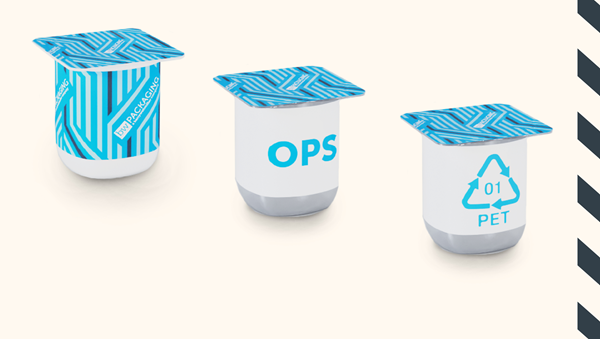 From Lab to Launch: Qualifying New Products and Packaging for Your Existing Packaging Equipment
May 27, 2024
<div></div><p><span style="background-color: initial; font-family: inherit; font-size: inherit; text-align: inherit; text-transform: inherit; word-spacing: normal; caret-color: auto; white-space: inherit">For today’s CPGs, particularly those packaging food and dairy products, understanding the correct process for qualifying new products and packaging materials is essential. To compete in today’s marketplace, your brand must be <strong>packaged sustainably</strong>, <strong>cost-efficiently</strong> and it must have <strong>differentiated shelf appeal</strong> in the supermarket. Each of these factors will pressure you to make changes to your packaged product offering, but how can you do so quickly, affordably and with minimal risk?</span></p><p>In this blog post, we will guide you through the <strong>optimal process for qualifying new products and packaging on your existing machinery</strong>. We will highlight the significant benefits of following this process and shed light on the risks of not doing so. We will also share examples of specific products and services that BW Filling & Closing (BWFC) offers to help customers navigate their particular qualification journey. </p><div><br></div><h2>The Risks & Rewards of Material and Product Qualification </h2><p>Brand owners may need to qualify new products and materials for various reasons, with sustainability being a prominent driver in today's market. From sourcing packaging materials to enhancing shelf appeal and increasing market share, the motivations for changing a packaged product are diverse. </p><p>However, attempting to qualify new products or materials without the assistance of your OEM poses significant risks. Brand owners who go it alone are likely to encounter unforeseen issues during production such as machine breakdowns, damaged product or losses in production capacity. Any of these issues can leave you unable to package and deliver your products to customers. The implications of this can include additional costs, production delays, and even the loss of customers. </p><p>By involving your OEM from the start, you can establish a clear path to production with the new product or package. Real test results allow for incremental decision-making, minimizing the risk of an unsuccessful launch. Working closely with your OEM throughout this process provides valuable insights, including a practical timeline for product launch, accurate cost estimations, and a well-defined plan of action after qualification. </p><div><br></div><h2>How to Qualify New Packaging Materials and Products</h2><p>To navigate product and material qualification successfully, BWFC recommends a three-step qualification process. This rigorous approach ensures that new packaging materials and products meet the necessary standards and are seamlessly integrated into the CPG’s production line. </p><h3><strong>1) Lab Tests </strong></h3><p>The first step in qualifying a new packaging material or product is lab testing. During lab testing, BWFC’s experts analyze the new material or product at a dedicated BWFC facility and compare it against existing products and materials within our database. The primary purpose of the lab test is to identify potential risks that may arise during the subsequent stages of the qualification process. </p><p>These lab tests are tailored to the unique requirements of each project. For instance, when qualifying a new preformed cup, we may want to test the sealing process to ensure food safety standards are properly addressed. For form-fill-seal (FFS) applications, tests may be more complex and involve examining how the material holds up when multiple cups are stacked in cartons or pallets. For example, BWFC can simulate the weight that would bear down on plastic cups near the bottom layers of a pallet when multiple (15-20) layers of cups are stacked in your production plant. By applying similar levels of pressure to cups in the lab, you can ensure your actual production process results in cups that are in perfect shape when they arrive to the retailer. For PET multipacks, you’ll likely want to test the cutting and pre-cutting of this material on a solution such as BWFC’s Snapcut technology. </p><p>Whatever the case may be, lab testing is a critical step in the qualification process because it helps identify potential risks that can be evaluated further during on-site testing.</p><h3><strong>2) On-Site Tests</strong></h3><p>The second step in the qualification process is the on-site test. This phase aims to simulate how the new material or product will perform in your real-world production and packaging environment. Thanks to the insights gained previously during lab testing, you can enter this stage with crucial information about the machine adjustments required to ensure successful integration. On-site testing serves as an opportunity to fine-tune the final solution. It validates ideas and observations made during the lab tests. </p><p>However, it can also reveal major issues that weren’t identified in the lab, which is advantageous as it allows you to address these problems before full-scale production begins. It’s not possible to replicate every production constraint perfectly in a lab. For example, suppose you’ve selected a new sustainable material (e.g., PET) for your FFS yogurt production line. Lab tests may have initially indicated that everything is in order, so you feel comfortable bringing the material into production. However, challenges occur when you change over from the old PS material to your new PET material. It seems during extended downtime, the material has cooled back down, resulting in alterations and irregularities in the packaging, therefore resulting in ample product waste. </p><p>On-site testing allows you to identify and address these real-world risks before you bring a new packaged product to market. </p><div><br></div><h3><strong>3) Tests Report & Action Plan </strong></h3><p>Following the completion of lab tests and on-site tests, BWFC provides a comprehensive test report to their customers. This report serves as a common analysis of the viability of the new product or packaging material. It includes a detailed explanation of the test results, highlighting all the risks and issues identified during testing. </p><p>Crucially, the test report also offers an action plan for addressing any challenges discovered during testing. This plan may involve machine overhauls, upgrades, or even collaboration with the supplier of the new packaging materials to make necessary adjustments. Ultimately, the test report is an invaluable resource that empowers CPG companies with a clear understanding of the timing, cost, and potential risks associated with bringing a new product to market. </p><div><br></div><h2>Common Outcomes of a Qualification Action Plan </h2><p>Thanks to BWFC’s deep knowledge of packaging materials and machinery, our customers have a distinct advantage when navigating the qualification process. We’ve already encountered and resolved many of the challenges our customers are likely to face, and therefore, we can proactively recommend proven solutions for common customer challenges. Below are some of the common actions we recommend to customers to help them execute a successful, predictable launch. </p><h3><strong>Upgrading the Machine </strong></h3><p>Switching from PS to PET or PP will require heavy changes on your machine if it was not designed for it. Changes from one material to another, for example, can change the heating and cooling requirements of the machine to ensure perfect cuts, among other considerations.</p><h3><strong>Overhauling the Machine </strong></h3><p>Depending on the cup you are running on an FS machine, some areas can be more or less sensitive regarding adjustment and weariness. If you are introducing a more difficult cup, overhauling some modules of the machine might be necessary but sufficient to keep a high machine efficiency. </p><h3><strong>Request Change to Materials </strong></h3><p>Switching from an HDPE bottle to a PET bottle can create an issue at bottle introductions. The hardness of PET makes it more difficult to insert the bottles into the plates. A potential solution is very slightly reducing the neck diameter of the new PET bottle. BWFC can facilitate all required material change requests on behalf of our customers. </p><h3><strong>Upgrade or Change The Dosing Unit </strong></h3><p>Increasing the size of fruit pieces will require nozzles to have a big enough opening to let the fruit pieces through. In this scenario, BWFC might change the nozzle entirely. <strong style="background-color: rgba(0, 0, 0, 0); color: inherit; font-size: inherit; text-align: inherit; text-transform: inherit; word-spacing: normal; caret-color: auto; white-space: inherit"></strong></p><div><table><tbody><tr><td style="width: 50%; border-width: 1px; border-color: rgba(255, 255, 255, 1); text-align: left"><a sfref="[f669d9a7-009d-4d83-ddaa-000000000002%7Clng%3Aen]91C52A3F-1853-49F3-B5D0-6B67B99F751D" target="_blank"><img src="/images/default-source/banner/talk-to-sales2.png?sfvrsn=c16229c5_3" style="float: left" width="250" alt="" sfref="[images%7COpenAccessDataProvider]812e6344-e84c-4ae3-a1bb-a85bc8d0e362" data-sf-ec-immutable=""></a> </td><td style="width: 50%; border-width: 1px; border-color: rgba(255, 255, 255, 1); text-align: center"><a href="https://synerlink-go.bwpackagingsystems.com/aftermarket-guide#form-to-subscribe" target="_blank" data-sf-ec-immutable="" style="float: left"><img src="/images/default-source/banner/cta---aftermarket-ebook.png?sfvrsn=7398d7a1_4" style="float: left" width="300" alt="" sfref="[images%7COpenAccessDataProvider]c3d29037-4c4a-4758-9dd3-fc1258dc77ce" data-sf-ec-immutable=""></a><br></td></tr></tbody></table><span style="background-color: rgba(0, 0, 0, 0); font-family: inherit; font-size: inherit; text-align: inherit; text-transform: inherit; word-spacing: normal; caret-color: auto; white-space: inherit"></span></div>
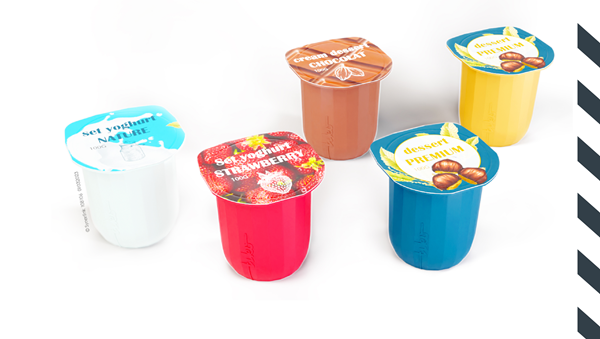 Unleashing BW Filling & Closing’s Expertise: 5 Compelling Reasons to Collaborate for Enhanced Packaging Design
April 17, 2024
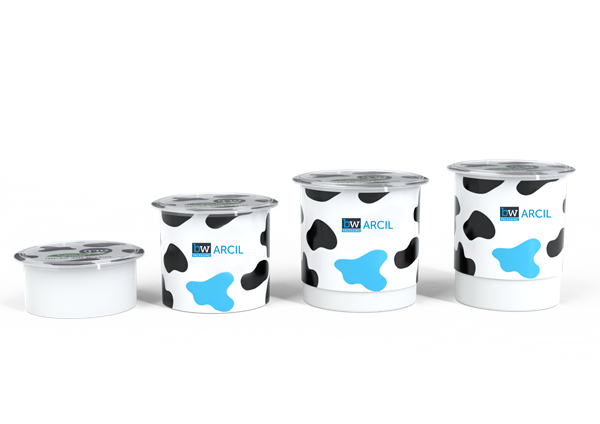
<p>This article was originally published in Food & Beverage Asia on January 12th - Five reasons for leveraging your packaging equipment supplier for enhanced packaging design. This article gathers all the tips and suggestions from our industrial packaging designer leader, Coline Hercouet, and delves into the top five reasons why forging a collaboration with BW Filling & Closing (BWFC) for packaging design is a strategic choice for all manufacturers.</p><h2>1. OPTIMIZE PACKAGING FOR EFFICIENT PRODUCTION </h2><p>BWFC's packaging design service plays a pivotal role in influencing various facets of the production process, including transportation costs, material sourcing, and logistics. By partnering with BWFC's packaging design team, you can optimize packaging dimensions and shape, potentially reducing production costs. Aligning the design with the specific features of BWFC's packaging equipment ensures a seamless fit with your production requirements.</p><p>Coline Hercouet, Industrial packaging leader at BWFC, emphasizes </p><p><cite>"When designing a cup, we have to think about each step of the project development and the feasibility according to the machine production, while considering the needs of the final consumers."</cite><cite></cite></p><h2>2. ALIGN PACKAGING WITH CONSUMER PREFERENCES</h2><p>BWFC's packaging design team acts as a bridge between your marketing department's research and the final product's packaging. With insights into market trends, they translate consumer preferences into visually appealing and functional packaging, ensuring your product resonates with the target market.</p><h2>3. INCREASE SALES VOLUME THROUGH EFFECTIVE PACKAGING </h2><p>Drawing on BWFC's in-house expertise, the packaging design team can enhance your packaging in several ways, contributing to increased sales volume. Whether it's creating a size impression, incorporating sustainable elements, or introducing premium packaging, the team can attract more customers and drive greater sales.</p><h2>4. EMBRACE SUSTAINABILITY IN PACKAGING </h2><p>With sustainability gaining prominence, BWFC's design team can support your environmental objectives. They can develop packaging standards and propositions that meet internal sustainability needs while showcasing the benefits of your enhanced packaging to eco-conscious consumers.</p><h2>5. SEAMLESS MACHINE UPGRADES WITH ENHANCED PACKAGING </h2><p>Packaging design isn't limited to new product launches; it can also facilitate machine upgrades. Collaborating with BWFC during the pre-study phase enables you to navigate technical specifications and limitations effectively. The packaging design team can suggest new ideas to attract your desired market, opening exciting possibilities for your projects.</p><p>Leveraging BWFC’s packaging design expertise can significantly impact your food production business. From optimizing packaging for efficient production to aligning it with consumer preferences and embracing sustainability, the benefits are substantial. Additionally, seamless integration of packaging design during machine upgrades ensures continued success in an ever-evolving market.</p>
 Aligning Aftermarket Programs with Marketing
March 20, 2024
<div><p>When it comes to aftermarket service, it’s typical for OEMs to support your production teams on initiatives like ensuring technical efficiency in your equipment, optimizing your plant’s operational expenditures (OpEx) and improving availability and access to spare parts for your equipment. But <strong>how can OEMs support you in navigating plans to change the look and feel of your packaging?</strong> </p><p><span style="background-color: rgba(0, 0, 0, 0); color: inherit; font-family: inherit; font-size: inherit; text-align: inherit; text-transform: inherit; word-spacing: normal; caret-color: auto; white-space: inherit">Changes to your product’s packaging – whether to <strong>increase shelf appeal</strong> or <strong>reduce your environmental footprint</strong> – can have a significant impact on the performance of your equipment. Equipment with low performance will quickly hinder your ability to meet specific production output targets efficiently and on schedule. </span></p><p>In this post, we will share some of the top marketing drivers that could impact your production plant in 2024 and offer advice for<strong> how you can prepare to address them when you learn of a </strong><strong>packaging design change</strong>. We will also highlight specific BW Filling & Closing (BWFC) offerings that can help you create a seamless transition for your team members and share real world examples of how this might look in practice. </p></div><div><h2><span style="background-color: rgba(0, 0, 0, 0); color: var(--color-h2); font-family: inherit; font-size: var(--font-size-h2); text-align: inherit; text-transform: inherit; word-spacing: normal; caret-color: auto; white-space: inherit"></span></h2><h2><span style="background-color: rgba(0, 0, 0, 0); color: var(--color-h2); font-family: inherit; font-size: var(--font-size-h2); text-align: inherit; text-transform: inherit; word-spacing: normal; caret-color: auto; white-space: inherit">TOP MARKETING DRIVERS TO WATCH IN 2024 (AND HOW TO PREPARE FOR THEM)</span></h2><p>As the food and dairy markets continue to evolve with the ever-changing demands of consumers and sustainability regulations, it is likely that your packaging design will experience several changes over time. These changes will have implications for your production plant, so it is important to stay up to date and prepare to adjust your operations for these packaging changes.</p><div><p><span style="background-color: rgba(0, 0, 0, 0); color: inherit; font-family: inherit; font-size: inherit; text-align: inherit; text-transform: inherit; word-spacing: normal; caret-color: auto; white-space: inherit">Here are the most common marketing drivers you should be aware of in 2024 and how you can prepare for impacts on your production plant. </span></p><p><span style="background-color: rgba(0, 0, 0, 0); color: inherit; font-family: inherit; font-size: inherit; text-align: inherit; text-transform: inherit; word-spacing: normal; caret-color: auto; white-space: inherit"> </span></p></div><h3><strong>Sustainability Efforts </strong></h3><p>Your marketing team might propose replacing your existing packaging material with a more sustainable option given emerging government regulations and today’s increased market pressure to implement sustainable packaging. Marketing may want to use more sustainable packaging material, like recycled and recyclable material, to retain and gain customers who are increasingly opting for sustainable packaging options. </p><div><br></div><h3><strong>Premiumization </strong></h3><p>It is also common to try to change the packaging to emphasize the higher product quality against competitors’, also known as premiumization. Producing a premium product or product line can create market buzz that is a strategy to increase sales. </p><div><br></div><h3><strong>Size impression </strong></h3><p>Another common strategy is changing the packaging to make the product appear larger. This driver could help compete for consumers’ attention with other products in the market. </p><p>Now that you know the top marketing drivers that could spark a packaging change and impact your production plant, you can anticipate them and know how to address them better. The best way to prepare to address these trends is to maintain communication with your marketing team before changes are made and involve your OEM early in the conversation to start prepping aftermarket solutions. </p><div><br></div><h2>THREE BWFC SOLUTIONS FOR RE-ALIGNING OPERATIONS DURING TIMES OF CHANGE </h2><p>At BWFC, we understand the challenges production plants face when the business decides to change the packaging design or material. To ensure a seamless transition to a new packaging material or design, we offer aftermarket solutions that can help you keep production on schedule and on budget. </p><p>The three aftermarket solutions BWFC provides for times of change are industrial project planning to adapt your machine, cup design expertise and marketing brief support. </p><div><br></div><h3><strong>Adapting Your Machine </strong></h3><p>When your packaging design or material changes, there is no guarantee that your existing equipment will produce the product to the same quality, capacity, or efficiency you had previously. Instead of needing to buy a new machine, BWFC provides support by helping to create an industrial plan to adapt your current machine to the new packaging material or design. </p><p>BWFC will assist in an industrial machine adaptation project through quotation and planning. We will consider your production goals, the new packaging material or design, and your machine and budget constraints. </p><p>For example, if your business wants to change the packaging material from PS plastic to more sustainable PET plastic, BWFC would assess an up-to-date cup design and propose a machine adaptation plan. This plan will make implementing the new packaging design possible while maintaining production capacity and budget. </p><p>To ensure that your industrial project plan will consider many varied factors to optimize production, BWFC offers: </p><ul><li>• A complete audit of your current equipment </li><li>• A complete and optimized commercial offer </li><li>• Advanced planning and optimized on-site intervention time </li><li>• Experienced field service technicians for effective implementation </li><li>• Full access to BWFC’s team of packaging designers </li></ul><p>Pursuing an industrial plan to adapt your packaging machine with BWFC can provide a smooth transition for your equipment operators and will ensure that production will meet your standards for quality, speed, capacity, safety, and budget. </p><div><br></div><h3><strong>Cup Design Expertise </strong></h3><p>In addition to planning an industrial project to adapt your machine, BWFC’s team of packaging designers have the design expertise and packaging equipment knowledge to design a cup that is compatible with your current machine. You and your marketing team will have full access to our design services to help design new packaging while carefully balancing brand storytelling with the capabilities of your packaging equipment. </p><p>The cup designers at BWFC will provide technical drawings and 3D renderings of your new packaging designs so you can easily visualize the design’s fit with your brand and equipment. If your designs need to change before they can be approved, you can access our designers at any point in time and expect a timely response. </p><p>Using BWFC’s packaging design experts can make the difference between misaligning with your marketing team and risking machine downtime, reducing production capacity and damaging the product and machine. </p><div><br></div><h3><strong>Marketing Brief Support </strong></h3><p>When a new packaging proposal comes from your marketing team, it can be tough to find the right language to communicate clearly with every team involved. The best way to ensure all teams are on the same page with the packaging design or material change is to create a clear and concise marketing brief. </p><p>BWFC can aid in writing the marketing brief for your packaging change to provide clear communication through an easy-to-understand marketing brief. The brief can help limit frustrations between different teams by laying out a plan that is ideal and attainable for all departments. </p><div><br></div><h2>CASE STUDY: SUCCESSFUL MARKETING & AFTERMARKET COLLABORATION</h2><p>Bringing your OEM into directional business changes early can aid in a smooth transition for your business, but what would this look like in practice? One specific business strategy change example where BWFC was involved early in the process was helping a yogurt producer switch their packaging material to a more sustainable material. </p><div><br></div><h3><strong>Switching to More Sustainable Packaging Material </strong></h3><p>Our customer was looking to change their plant-based yogurt cups to align their product with the consumer trend of opting for sustainable packaging solutions. The CPG proposed switching from PS plastic to a recyclable and more eco-friendly PET plastic but asked for our aftermarket insight and resources to help make the switch efficient and seamless. </p><div><br></div><h3><strong>Refreshing the Cup Design with BWFC Design Experts</strong> </h3><p>We knew this upgrade would require significant changes to their machine, so we conducted a comprehensive cup design analysis. Our objective was to modernize and elevate the cup’s visual appeal to better fit in the dynamic market landscape and stand out to their intended audience. </p><p>After our analysis, our design experts created a cup design that incorporated brand storytelling with the effort to switch to recyclable PET plastic. Our team provided technical drawings and 3D renderings of the modern design. </p><p>The renderings included an engraved logo on the cup to enhance brand recognition, a softer and rounder shape to align with the brand identity, and a plant-inspired texture using the new PET plastic which brought to life the main identity of their yogurt: plant-based milk. </p><div><br></div><h3><strong>A Win-Win Solution </strong></h3><p>Our unique aftermarket approach created a win-win solution for the company’s plant managers and its marketing team. Our aftermarket involvement initiated an important dialogue between the plant management team and their marketing counterparts to help us create the best solution for both teams. </p><p>As a result, the new yogurt cup design satisfied the plant managers with a more sustainable and high-performing upgrade, and it pleased the marketing team with a more relevant and attractive cup that aligns well with their target market and its current trends. </p><p>Thanks to our converting capabilities and our packaging design expertise, BWFC is prepared to analyze, and then provide packaging aftermarket solutions based on your specific needs and constraints. Our aftermarket solutions for a change in business direction bring plant managers to the front of the conversation, so the solution is efficient and ideal for your production quality and schedule.</p><table><tbody><tr style="height: 100%"><td style="width: 33%; border-color: rgba(255, 255, 255, 1)"><a data-sf-ec-immutable="" target="_blank" href="https://www.synerlink.com/engineering/industrial-packaging-design"><img src="/images/default-source/blog/cup-evolution---adding-fruit-on-the-bottom.png?sfvrsn=a656485f_0" alt=""></a></td><td style="width: 33%; border-color: rgba(255, 255, 255, 1)"><a data-sf-ec-immutable="" target="_blank" href="https://www.synerlink.com/engineering/industrial-packaging-design"><img src="/images/default-source/blog/cup-evolution---modernizing-the-design.png?sfvrsn=ce56485f_0" alt=""></a></td><td style="width: 33%; border-color: rgba(255, 255, 255, 1)"><a data-sf-ec-immutable="" target="_blank" href="https://www.synerlink.com/engineering/industrial-packaging-design"><img src="/images/default-source/blog/cup-evolution---dynamising-the-cup-shape.png?sfvrsn=d656485f_0" alt=""></a></td></tr></tbody></table><div><p><span style="background-color: rgba(0, 0, 0, 0); color: inherit; font-family: inherit; font-size: inherit; text-align: inherit; text-transform: inherit; word-spacing: normal; caret-color: auto; white-space: inherit"> </span></p><p><span style="background-color: rgba(0, 0, 0, 0); color: inherit; font-family: inherit; font-size: inherit; text-align: inherit; text-transform: inherit; word-spacing: normal; caret-color: auto; white-space: inherit">Did you find this content useful? Click the link below to download our comprehensive guide to getting the most value out of your existing </span>BWFC <span style="background-color: rgba(0, 0, 0, 0); color: inherit; font-family: inherit; font-size: inherit; text-align: inherit; text-transform: inherit; word-spacing: normal; caret-color: auto; white-space: inherit">equipment. </span><br></p></div></div><div><p><span style="background-color: rgba(0, 0, 0, 0); color: inherit; font-family: inherit; font-size: inherit; text-align: inherit; text-transform: inherit; word-spacing: normal; caret-color: auto; white-space: inherit"></span><strong style="background-color: rgba(0, 0, 0, 0); color: inherit; font-size: inherit; text-align: inherit; text-transform: inherit; word-spacing: normal; caret-color: auto; white-space: inherit"><a href="https://synerlink-go.bwpackagingsystems.com/aftermarket-guide" target="_blank" data-sf-marked="" data-sf-ec-immutable="">How to Care for Equipment: Top 5 Ways to Extend the Life of Your Packaging Machinery</a></strong></p><div><table><tbody><tr><td style="width: 50%; border-width: 1px; border-color: rgba(255, 255, 255, 1); text-align: left"><a sfref="[f669d9a7-009d-4d83-ddaa-000000000002%7Clng%3Aen]91C52A3F-1853-49F3-B5D0-6B67B99F751D" target="_blank"><img src="/images/default-source/banner/talk-to-sales2.png?sfvrsn=c16229c5_3" style="float: left" width="250" alt="" sfref="[images%7COpenAccessDataProvider]812e6344-e84c-4ae3-a1bb-a85bc8d0e362" data-sf-ec-immutable=""></a> </td><td style="width: 50%; border-width: 1px; border-color: rgba(255, 255, 255, 1); text-align: center"><a href="https://synerlink-go.bwpackagingsystems.com/aftermarket-guide#form-to-subscribe" target="_blank" data-sf-ec-immutable="" style="float: left"><img src="/images/default-source/banner/cta---aftermarket-ebook.png?sfvrsn=7398d7a1_4" style="float: left" width="300" alt="" sfref="[images%7COpenAccessDataProvider]c3d29037-4c4a-4758-9dd3-fc1258dc77ce" data-sf-ec-immutable=""></a><br></td></tr></tbody></table><span style="background-color: rgba(0, 0, 0, 0); font-family: inherit; font-size: inherit; text-align: inherit; text-transform: inherit; word-spacing: normal; caret-color: auto; white-space: inherit"></span></div></div>
 Postres Romar Strengthens its Productivity with BW Filling & Closing Form-Fill-Seal Machines
January 8, 2024
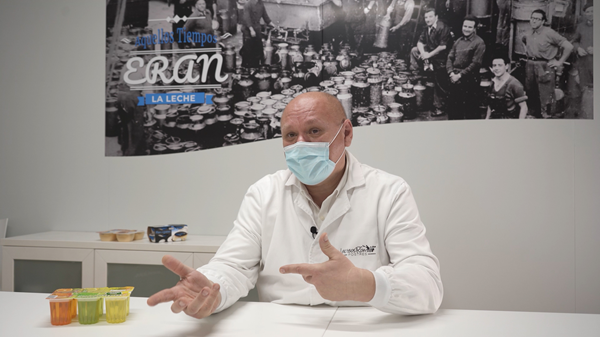
<p>Postres Romar is a co-packing company located in Spain, working with well-known distributors on multiple products. BW Filling & Closing (BWFC) has been contacted to increase their capabilities on the yogurt and dessert market.</p><p>Initiating a project with a major player in supermarket distribution demanded the identification of a supplier for an efficient machine with a favorable value proposition, leading to BWFC. The acquisition of a jelly machine marked the beginning of a collaboration significantly influencing production capabilities.</p><p><br></p><h2><span style="background-color: rgba(0, 0, 0, 0); color: var(--color-h2); font-family: inherit; font-size: var(--font-size-h2); text-align: inherit; text-transform: inherit; word-spacing: normal; caret-color: auto; white-space: inherit">Seamless Integration and Exemplary Start-Up</span><br></h2><p>BWFC's performance has been remarkable. Delivery timelines were respected, and the machine ramp up process exceeded expectations. It was delivered within the specified lead time, with regular visits to BWFC's Logroño plant to follow the project's evolution and incorporate requested modifications in a transparent way.</p><h3><strong><em>Fast and steady lead time and ramp up</em> </strong></h3><p> </p><h2>Expansion of BWFC Machines</h2><p>After this first success, the partnership was broadened, with the acquisition of a total of five machines. These machines play an important role in the distributor’s production chain, making high-performance dairy products such as panacotta and custard, as well as other products such as jellies.</p><h3><em><strong>5 machines to fill the supermarket shelves</strong></em></h3><p> </p><h2>Operational Excellence and User-Friendly Design</h2><p>Operational experience with BWFC machines has been excellent. The intuitive interface, easy-to-read presentation of screens, alarms, and ease of troubleshooting have all been appreciated. Maintenance feedback emphasizes the accessibility and user-friendliness of these machines, which make problem-solving much easier.</p><h3><strong><em>Enhanced user-friendliness</em></strong></h3><p> </p><h2>Training and Autonomy</h2><p>BWFC's training programs have played a capital role in achieving elevated operational efficiencies. The brief training period required for operators and drivers reflects the ease-of-use nature of these machines. Additionally, the technical training has empowered teams to independently address breakdowns, contributing to a high degree of self-sufficiency in overall machine maintenance.</p><h3><strong><em>Comprehensive training program</em></strong><em> </em></h3><p> </p><h2>Exceptional Service and Support</h2><p>In the face of breakdowns, BWFC's responsiveness has been commendable. Collaboration between teams has resulted in an excellent relationship, with BWFC providing absolute service when needed. Continuous support, combined with effective training, has propelled teams towards achieving almost complete autonomy in machine maintenance.</p><h3><strong><em>Excellence of </em></strong><strong><em>Aftermarket</em></strong><strong></strong></h3><p>The continued relationship between Postres Romar and BWFC has been characterized by efficiency, reliability, and unwavering support. The synergy between teams has not only elevated production capabilitiesbut it also higlighted the fact that finding a partner who can support you technically, understand your needs and respond to your specific request is the key to success.</p>
 Sustainability Awards Winning project - PS Cup Project was recognized for its impact on recyclability
November 15, 2023
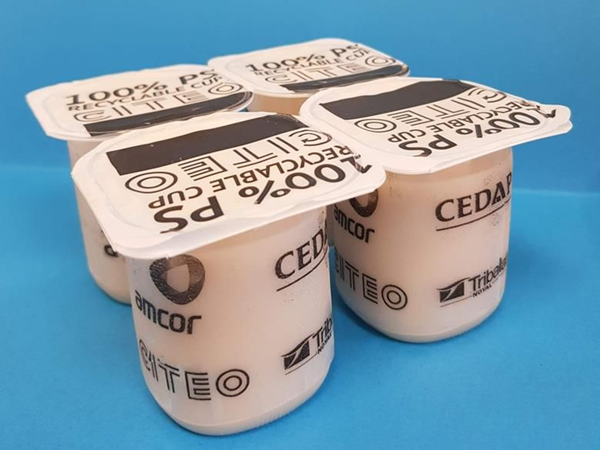
<p><em><strong>The following content contains excerpts from the interview BW Filling & Closing’s R&D manager, Dominique Cossais has given to Packaging Europe with Plastiques Venthenat, Amcor, Olga, Cedap and Citeo on the fully recyclable thermoformed PS cup which originally appeared on <a href="https://packagingeurope.com/news/form-fill-seal-yoghurt-pot-made-from-985-ps-produced-in-cross-industrial-collaboration/10083.article?" target="_blank" data-sf-ec-immutable="">packagingeurope.com</a> on July 2023.</strong></em></p><p><em></em><em><strong>BW Filling & Closing (B</strong></em><em style="background-color: rgba(0, 0, 0, 0); color: inherit; font-family: inherit; text-align: inherit; text-transform: inherit; word-spacing: normal; caret-color: auto; white-space: inherit; font-size: inherit"><strong>WFC) and a consortium of companies have been working for several months on a solution to create a fully recyclable FFS yogurt cup, this project won the Award for “Recyclable Packaging (Pre-commercialized)” on the 14<sup>th</sup> of November 2023</strong></em></p><p><em style="background-color: rgba(0, 0, 0, 0); color: inherit; font-family: inherit; text-align: inherit; text-transform: inherit; word-spacing: normal; caret-color: auto; white-space: inherit; font-size: inherit"></em><span style="background-color: rgba(0, 0, 0, 0); color: inherit; font-family: inherit; text-align: inherit; text-transform: inherit; word-spacing: normal; caret-color: auto; white-space: inherit; font-size: inherit">In a recent interview with Packaging Europe, Dominique Cossais, R&D Manager at BWFC, shared insights about the fully recyclable thermoformed PS cup project, which was nominated among the finalists of the Sustainability Awards and won on the 14 of November for its role in promoting sustainability.</span></p><p>The project, a collaborative effort among <a href="https://www.plastiques-venthenat.fr/" target="_blank" data-sf-ec-immutable="">Plastiques Venthenat</a>, Amcor, <a href="https://www.citeo.com/" data-sf-ec-immutable="">Citeo</a>, <a href="https://olga.fr/" target="_blank" data-sf-ec-immutable="">Olga</a>, <a href="https://www.cedap.mc/en/home/" target="_blank" data-sf-ec-immutable="">Cedap </a>and BWFC caims to promote sustainability within the food packaging in France and across Europe, benefiting food producers, consumers, and regulators alike.</p><p> </p><h2><strong>The innovation: A fully recyclable PS cup</strong></h2><p>Dominique Cossais expressed excitement about joining the project, recognizing its immense potential to benefit the food industry. The innovation centers on a form-fill-seal cup composed of 98.5% polystyrene content, making it fully recyclable. </p><p>All around Europe there are lots of FFS machines thermoforming polystyrene in dairy producers’ plants. However, the PS packaging on the market is not recyclable-ready since the banderole around the cup is made of paper, ink and hot melt wax and the lid is also multi-material (ink, paper, glue, polyester and heat seal varnish and/or aluminum).</p><p>The new cups are going to be made almost exclusively out of PS plastic: the cup, the lid and the banderole will be composed of polystyrene at more than 98%.</p><p> </p><h2><strong>Sustainability benefits: Enhanced recycling and reduced waste</strong></h2><p>One of the key sustainability benefits of the fully-PS cup lies in its improved sorting efficiency for recycling by improving capture by 20%. Testing of the packaging's recyclability has shown good results, simplifying the sorting process for PS plastics and encouraging the development of a more sustainable packaging ecosystem.</p><p>Moreover, the project offers a practical advantage for food producers. By enabling them to upgrade their existing FFS machines to accommodate the new lids and banderoles, the need to invest in new, resource-intensive equipment is minimized. </p><p>This project is part of BWFC’s efforts in innovation and R&D to promote recyclable materials and increase sustainability in the packaging industry, such as last year finalist for the machinery category sustainability awards <a href="https://www.synerlink.com/about-us/blog/blog/2022/11/24/synerlink-s-snapcut-technology-recognized-for-its-role-in-sustainability" data-sf-ec-immutable="">Snapcut tool</a> that allows producers to switch to PET plastics for thermoforming multipacks on new and existing machines.</p><p>Until now, food producers that wanted to switch to recyclable materials for thermoformed packaging, could either invest in new machineries or could adapt existing machines to transform to PET packaging. This approach not only reduces waste associated with building new machinery but also allows producers to continue using PS while enjoying the environmental benefits of recyclable packaging materials.</p><p> </p><h2><strong>When did it all start?</strong></h2><p>Citeo called for an eco-design project back in April 2019 leading Plastique Venthenat, Amcor, Olga and Cepad to collaborate together to propose a standard PS cup for yogurt and desert products to be produced on Form-Fill-Seal machines. This is when BWFC has joined the group of partners to test the final product on the FFS machines.</p><p>In conclusion, the fully recyclable PS cup project spearheaded by BWFC and its partners represents a significant leap forward in sustainability for food packaging. By embracing this innovative approach, the industry can make strides towards a more eco-friendly future, benefiting both the environment and all stakeholders involved.</p><p><img style="background-color: initial; font-family: inherit; font-size: inherit; text-align: inherit; text-transform: inherit; word-spacing: normal; caret-color: auto; white-space: inherit" width="430" height="286" src="/images/default-source/blog/fully-recyclable-ps-cups.jpg?sfvrsn=2c62485f_0" sf-size="100" alt=""></p>
 Building a Successful Co-Op Program: It's More Than Just Finding Talent... It's Nurturing It!
June 8, 2023
<p>Everyone knows that hiring is difficult in these times, in a job market where candidates are scarce and competition for them is fierce. Some would argue that finding “good” talent has always been hard. But what if we’ve been going about it all wrong? What if forming teams that thrive is actually a <em>process</em>, not an event?</p><p>At BW Filling & Closing's Pneumatic Scale, we’re proud of our long-standing Engineering Co-op Program: a 2-year rotational program designed to expose two mechanical and two electrical engineering students to the practicalities of a career as an engineer. The program is founded on mentorship, with a purposeful growth plan, supported by meaningful work.</p><p>Surprisingly, the ideal Co-op candidate is not necessarily or automatically the student with the 4.0 GPA. When evaluating potential candidates for the program, we look for students who communicate well, who have a diverse background, and who are intrigued by the work we do. When we give them their first tour of our facilities, we consider how interested they are, the types of questions they ask, and how curious they seem. We want a Co-op with a desire to work with everyone, in a team environment, and across multiple departments.</p><p>Communication is an especially important – and often overlooked – aspect of engineering excellence. At Pneumatic Scale, our engineers play a critical role in turning what begins with a simple evaluation of our customers’ products into sophisticated and innovative equipment solutions, custom built to serve the unique requirements of their applications. Getting that right requires not only careful analysis of the project’s goals, but thoughtful listening, coupled with insightful questions, as the customer and the Pneumatic Scale team discuss key elements of the build. </p><p>The diversity of BW Filling & Closing’s business is as much a benefit for Co-ops as it is for our customers. Because our business encompasses wet and dry filling, capping, can seaming, and labeling, our engineers develop expertise not just in a single type of machine, but in many of the most critical components that make up the heart of the overall production line. The opportunity to work on many types of packaging equipment is an essential element in the overall Co-op experience. </p><p>“We treat our co-ops like members of our engineering team, giving them responsible freedom,” explained Dave Christman, Innovation Leader for Industrial Automation at BW Filling & Closing. “As they go through the program, they get progressively more complex tasks. They will be doing true engineering work by the time they graduate. And they work on a diversity of tasks, doing parts of different jobs. They grow their skill sets and we get a feel for their potential for long-term success on our team.” </p><p>Co-ops’ work on projects is closely guided by members of Pneumatic Scale’s engineering team. These mentors do more than monitor work product for accuracy and evaluate a Co-op’s progress. They model the focus, attention to detail, and positive, open-minded approach to solutions that Pneumatic Scale is well known for, which drives success in innovation and builds enduring customer relationships. Augmenting our team with Co-op students means that while they learn, projects are also carried out more quickly, and lead engineers have additional capacity to handle even more complex tasks. The result is a robust team of engineers, experienced in working collaboratively to solve complex problems. </p><p>In addition to building versatile engineers, Pneumatic Scale’s Co-op program builds engineering leaders. Those team members who serve as mentors and provide guidance for our Co-ops simultaneously develop the leadership skills needed to bring complex customer projects to successful conclusions. And, since more than 50% of Pneumatic Scale’s engineers went through the company’s Co-op program themselves, they take pride in sharing their experience to grow the next generation of leaders in our organization.</p><p>This last point is especially important in these times when so many companies struggle to attract and hire qualified candidates, especially those with the specialized knowledge and skill of an engineer. The Co-op program is a valuable source of experienced, enthusiastic employees, who are ready to roll up their sleeves and jump in as productive and fully contributing members of the team upon graduation, with no need to acclimate to the company culture or figure out how they fit. They already know they enjoy being an engineer, are confident in their abilities, and are proud to join an industry leader.</p><p>When asked what he thinks makes the program a success, Christman’s reply is both personal and practical. “The Co-op program helps us work with students, to see them grow. It’s a great source of talent, and it also helps the students to decide if engineering is truly a career they want to pursue.”</p><p>Christman goes on to say, “From the company’s perspective, it’s an opportunity to assess an engineer’s probability of success in our organization and their fit with our culture, which is very important to the Pneumatic Scale brand. We don’t hire every individual who goes through our program. But when we do, we have a high degree of confidence in the contributions they will bring to our team. These students bring fresh ideas, a good attitude, and they help us complete the work. The classroom provides the foundation for problem solving, and how to think, but being a Co-op provides true practical experience and there’s just no substitute for that.” </p><p>Having a Co-op program is just one component that has enabled Pneumatic Scale to excel and thrive, even in challenging times. If you would like to learn more about our program or about creating a Co-op program at your company, please contact a member of our team at sales@psangelus.com</p><p><strong>Dave Christman</strong> is BW Filling & Closing’s Innovation Leader - Industrial Automation. Dave helped to create the company’s Co-op program in the late 1990’s, leveraging his experience as a Co-op in the 1980’s with Diebold (now Diebold Nixdorf). Having had that experience helped him to translate the theory behind what he learned in the classroom into real, practical experience and a deeper understanding of what it means to be an engineer. Dave expanded on that knowledge to craft the program that has been a successful pipeline for talented and versatile engineers for more than 20 years. </p><p><strong>Mike Mihalik</strong> recently retired from 27 years of service with BW Filling & Closing. During his tenure, he served in many critical roles, including Vice President of Engineering and Vice President of Global Technology. Driven by his passion for engineering and innovation, Mike was instrumental in launching PS’s Engineering Co-op Program and ensuring its continued success.</p>
 Packaging machines – Continuous and Indexed
October 27, 2022
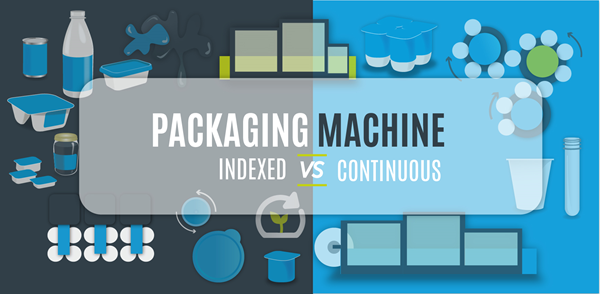
<div><p><span style="background-color: rgba(0, 0, 0, 0); color: inherit; font-family: inherit; font-size: inherit; text-align: inherit; text-transform: inherit; white-space: inherit; word-spacing: normal; caret-color: auto"><strong>There are several specifications to consider when it comes to choosing the right packaging equipment for food, dairy and home & personal care (HPC) processors. BW Filling & Closing</strong></span><span style="background-color: rgba(0, 0, 0, 0); color: inherit; font-family: inherit; font-size: inherit; text-align: inherit; text-transform: inherit; white-space: inherit; word-spacing: normal; caret-color: auto"><strong>’s product offerings and the technical capabilities have grown in these markets. Today’s portfolio includes a variety of indexed and continuous machines.</strong></span> </p><p><span style="background-color: rgba(0, 0, 0, 0); color: inherit; font-family: inherit; font-size: inherit; text-align: inherit; text-transform: inherit; white-space: inherit; word-spacing: normal; caret-color: auto"><strong></strong></span><br></p></div><div><h2>Which technology should you choose? </h2></div><div><p>It all depends on your needs. Before making any decisions, you should consult with a trusted packaging solution provider. To give you an overview of the main differences between indexed and continuous machines in BWFC’s portfolio, we’ve summarized the most important points below.</p><a target="_blank" href="/docs/default-source/infographics/indexed_vs_continuous_infographie_english.pdf?sfvrsn=d162485f_2"><img src="/images/default-source/blog/indexed_vs_continuous_infographie_english.jpg?sfvrsn=b462485f_0" width="585" height="896" sf-size="100" alt="Indexed_VS_Continuous_Infographie_English"></a> </div><div><p><span style="background-color: rgba(0, 0, 0, 0); color: inherit; font-family: "Open Sans Condensed", sans-serif; font-size: var(--font-size-h3); font-weight: bold; text-align: inherit; text-transform: inherit; word-spacing: normal; caret-color: auto; white-space: inherit">Packaging styles </span></p></div><div><p>Both the indexed machines and the continuous machines in BWFC portfolio have been thought for different types of packaging styles. There are both indexed and continuous machines that deal with bottles, single cups, cans, and jars. Although there are styles of packaging, like multi-cups, twin cups, mini-cups and trays that are more indicated for indexed machines. In the same way, mini-jars are more indicated for continuous machines. </p></div><div><h3>Packaging forming </h3></div><div><p>Besides filling pre-formed packaging, whether it is indexed machines or continuous machines, the BWFC portfolio also offer the possibility to add a bottle blowing module to produce your bottle packaging on site. In order to produce your cup packaging on site from reel of plastic, our indexed machines also offer the possibility to thermoform packaging. </p></div><div><h3>Floorplan optimization </h3></div><div><p>While indexed linear machines tend to develop in length, continuous (rotary) machines tend to be more compact at higher speeds for bottle, can and jar packaging. Although, both indexed and continuous machines increase in size under certain circumstances. For example, linear machines increase in width when speed increases or as ergonomics increase. While rotary machines increase in size with the increase in speed, packaging size or for specific filling needs. </p></div><div><h3>Dosing module </h3></div><div><p>On one indexed linear machine, it is possible to have several dosing modules, placed one next to the other to satisfy specific filling needs of the products. On the same way, it is possible to place multiple dosing modules on rotary machines provided that there is a turret for each. </p></div><div><h3>Product packaged </h3></div><div><p>Indexed machines are especially indicated for products that go from liquid to non-viscous. The products can either be pre-mixed or mixed directly at the filling stage of the packaging process on indexed machines and they are also indicated for multilayer products, for example with fruits or Chantilly cream on the bottom or at the top. On the contrary, continuous machines are especially indicated for products that go from liquid to viscous products that are pre-mixed. Continuous machines are also indicated for products that contain pieces. Moreover, product filling from 5 to 90 degrees is also possible on continuous machines. </p></div><div><h3>Closure </h3></div><div><p>For both indexed and continuous machines, the closure module(s) depend on the type and material of the packaging. There are several possibilities allowed, whether it is flat lid sealing, capping, lid placement or seaming. For both indexed machines and continuous machines screw capping technology is a possibility, where this technology is helped in rotary by the inertia of the motion of the machine. </p></div><div><h3>Packaging formats </h3></div><div><p>Both indexed and continuous machines are indicated for single portions. Moreover, indexed machines are also indicated for multipacks and multiflavour multipacks. On linear machines, when it is conceived, you can change the format of your packaging without needing to change the slats. On continuous machines, the change of format is also possible when compatible. </p></div><div><h3>Sustainability </h3></div><div><p>The sustainability benefits are the most interesting for bottle blowing machines, whether they are indexed or continuous and for thermoforming, filling and sealing indexed machines. </p></div><div><p> </p></div><div><p>Are you interested in learning more about indexed cups machines? Check out this infographic that highlights <a href="https://www.synerlink.com/about-us/blog/blog/2021/05/11/yogurt-packaging-machines-ffs-vs-fs" target="_blank" rel="noreferrer noopener" data-sf-ec-immutable="">differences between FFS and FS filling machines</a>. </p></div><div><p>Interest in learning how BWFC’s bottle blowing and filling machines can help your sustainability ambitions? <a href="https://www.synerlink.com/about-us/blog/blog/2021/12/09/automatic-pet-bottle-blowing-filling-and-capping-machines" target="_blank" rel="noreferrer noopener" data-sf-ec-immutable="">Read more about it here</a>. </p></div><div><p>Don’t hesitate to contact our experts to investigate what actually works best for your needs and products. </p></div><div><p> </p></div>
 3 Ways We Support Your Sustainable Packaging Initiatives
September 5, 2022
<h2>Choose Your Own Packaging Material</h2><p>Today’s dairy processors have several materials to choose from. However, one of the greatest challenges in embracing new materials is identifying equipment that can support them. BW Packaging’s machinery allows dairy manufacturers to package their products with the materials that best suit their environmental strategy, including:</p><ul><li><strong>PET:</strong> 100% recyclable and recycled in a circular economy approach</li><li><strong>PP:</strong> 100% recyclable for special applications like hot filling or microwavable products</li><li><strong>Bio-sourced materials (such as PLA):</strong> for packaging produced from renewable raw materials</li><li><strong>Cardboard and glass:</strong> to reduce the quantity of plastic packaging</li></ul><p>To increase degrees of freedom, BW Packaging relies on both the versatility of its <a href="/products/rigid-filling/form-fill-seal">Form-Fill-Seal machines (FFS)</a>, which can process PLA, PET, PP, and PS, and its <a href="/products/rigid-filling/fill-seal">Fill-Seal machines (FS)</a>, which are compatible with most sustainable materials. We also offer technical support for material research to ensure feasibility before customers invest in a particular material for their product.</p><h2>Design a Sustainable Product Package</h2><p>While BW Packaging’s industrial packaging design team is widely known for its container designs with great shelf appeal, this service also offers inherent, powerful sustainability benefits.</p><p>When BW Packaging designs a package, we partner with the customer to optimize the container, carton, overwrap, and pallet patterns to use the least amount of space and material possible, while still maintaining the integrity of the pack. For example, we have tested and validated the integrity of thermoformed PET cups that are 0.7mm thick.</p><p>Whether your material of choice is PET, PP, or another material, our designers can consider your preference and create a package that is sustainable, reliable, and highly appealing to your customers.</p><h2>Reduce Your Carbon Footprint</h2><p>BW Packaging helps factories reduce their carbon footprint by offering continuous improvement at every stage of the packaging process, including:</p><ul><li><strong>Manufacturing the package:</strong> with the Combi for PET bottle blowing, filling, and capping. On-site blowing reduces CO2 emissions coming from the transport of empty, already-blown bottles. Additionally, storing preformed bottles occupies significantly less warehouse and inventory space than empty bottles that are already blown to shape. The same is true with the FFS technology, which reduces material transport by more than 10x when compared to preformed cups.</li><li><strong>Decontamination:</strong> for bottles and cups with decontamination technologies such as UV and pulsed light, which require neither water nor chemicals. This reduces effluents and conserves your resources. </li><li><strong>Filling: </strong>for bottles and cups with cutting-edge dosing solutions. We rely on state-of-the-art dosing technology to minimize product waste, while offering you maximum freedom in terms of design and quality. For example, we use just-in-time blending to protect fragile ingredients and optimize fruit piece distribution.</li></ul><p>Do you need support with sustainable dairy packaging solutions? Contact us today.</p>
 How Packaging Innovation can Address Global Dairy Packaging Trends
May 10, 2022
<p><strong>Fabien </strong><strong>Jégo is the Design Leader and Produce Marketing Leader for BW Filling & Closing (BWFC). The following content originally appeared in <a data-sf-ec-immutable="" href="https://www.packagingstrategies.com/articles/96721-why-packaging-innovation-is-essential-in-todays-global-dairy-markets">Packaging Strategies</a> on March 10, 2022.</strong></p><h2>Introduction</h2><p>From improving food safety to reducing employee turnover, from launching new products to embracing sustainable packaging, dairy processors are expected to grow in several ways this year. Add to this the plethora of dynamic industry trends you read about each week, and you have a recipe for anxiety. The stakeholders are numerous and so are the challenges to appease them. The good news? I believe there are innovative packaging solutions on the horizon that will help solve each of these problems.</p><p><span style="background-color: rgba(0, 0, 0, 0); color: inherit; font-family: inherit; font-size: inherit; text-align: inherit; text-transform: inherit; white-space: inherit; word-spacing: normal; caret-color: auto">In this article, I’ll share some of the top trends we’re seeing across the global dairy market, explain how they impact dairy processor profitability, and make predictions about the types of dairy filling innovations we will see in the future.</span></p><p><span style="background-color: rgba(0, 0, 0, 0); color: inherit; font-family: inherit; font-size: inherit; text-align: inherit; text-transform: inherit; white-space: inherit; word-spacing: normal; caret-color: auto"></span><br></p><h2>3 Dairy Packaging Trends That Are Driving Innovation</h2><p> </p><h3>Consumers Want More Options</h3><p>The product proliferation we’re seeing in today’s supermarkets didn’t happen by accident, it’s the result of food and beverage manufacturers’ efforts to meet consumer demand for more options. Take a stroll down the yogurt aisle. You’ll find a wide variety of products to choose from, each with their own unique recipes, brand messaging, and packaging characteristics. This is because yogurt processors, both big and small, are desperately trying to connect with their consumers on a personal level. While their paths to achieving that goal may differ, both groups are dealing with challenges that stem back to production versatility.<br></p><p>With modest budgets and less floorspace for equipment, smaller yogurt processors (6,000-10,000 cups/hour) tend to seek filling solutions that are small and cheap upfront. The problem with this approach is that when the company is ready to increase their output (or incorporate new functions like the latest decontamination applications, additional fillers, snap-on lid applicators, etc.) they are unable to do so without incurring considerable fees for upgrades and service from the OEM. Sometimes, this even results in the processor having to scrap or sell the original system to make room for an entirely new filling solution.<br></p><p>Larger manufacturers deal with this too. While processors like Danone and Chobani have well-established product lines, they too are interested in testing new products and markets to make new connections with consumers they weren’t previously able to reach. For example, Danone has created positive connections with French customers who care deeply about organically sourced foods via their <a data-sf-ec-immutable="" href="https://www.les2vaches.com/">Les 2 Vaches</a> brand. However, helping customers in Spain connect with this same product may require changes to the product’s packing appearance or format.<br></p><p>In both scenarios, dairy processors should be researching filling solutions that can help them achieve their short-term goals without stifling the potential for future opportunities.</p><p> </p><h3>Market Uncertainties Hinder Progress</h3><p>In the same vein, there are several dynamic factors influencing today’s global dairy markets. Take sustainability for example. To accurately label a product as “sustainable” you must take into consideration local infrastructure (i.e., composting and recycling streams), government regulations, and the biggest moving target of all – consumer demand. As Michael Dann puts it in his recent column on <a data-sf-ec-immutable="" href="https://www.bwpackagingsystems.com/blog/post/sustainability-in-packaged-foods">sustainable food packaging</a>, “how can we as an industry satisfy consumer demand for ‘sustainable packaging’ when the term is still being defined?” <br></p><p>Consumer sentiment can change quickly. Today customers may prefer products packaged in paper for its recyclable and compostable qualities. Tomorrow, they may demonize the role it plays in deforestation. This is why it’s so risky to tie yourself to specific packaging formats and materials long-term.<br></p><p>Similarly, hygiene standards and technology are evolving every year. For example, as calls for sustainable business practices grow louder, one area of opportunity is reducing energy consumption while maintaining consistent hygiene standards. While today pulsed light is viewed as a more energy-efficient alternative to hydrogen peroxide, tomorrow is likely to bring an even better solution. Are you investing in filling equipment and other capital assets that will enable or prevent you from evolving with these changes? Again, this is why machine versatility is so essential in today’s global dairy markets.</p><p> </p><h3>Employee Turnover Diminishes ROI</h3><p>Today’s dairy processors are finding it increasingly difficult to recruit, hire, and maintain qualified team members for their manufacturing facilities. While <a data-sf-ec-immutable="" href="https://hbr.org/2021/09/who-is-driving-the-great-resignation">employee burnout and resignation</a> have recently become prevalent across several segments of the workforce, this has been a problem among operators and maintenance professionals for years. A major driver behind this turnover is the ergonomic strain those employees must undergo during manual changeovers (i.e., heavy lifting, crouching down, bending over). Tasks like these can quickly lead to employee resignation.<br></p><p>This problem is exacerbated when it comes time to train new employees. With so much time and energy being poured into constant training, fewer resources are available to invest in product innovation, marketing, and other important functions that make today’s dairy processors competitive. Breaking this vicious cycle (recruit, hire, train, recruit again) will require innovative solutions that improve how dairy processors approach changeovers and training. </p><h2>Packaging Innovation for Dairy Filling Solutions</h2><p>Given the global market trends I’ve discussed, I expect that we’ll see several technological improvements for dairy filling solutions in the near future. While some of these predictions may seem more likely than others – as someone who is very familiar with the state of today’s packaging R&D – I am very comfortable predicting that each of these will come to fruition in the months and years ahead.</p><p> </p><h3>Versatile Filling Equipment Will Create Greater Product Variety</h3><p>With consumer demands that change so quickly, dairy processors need filling solutions that can change quickly too. Of course, most OEMs claim their solutions have “quick and easy changeovers” but do those changeovers include the ability to change from one format to another (e.g., pivoting from a Ø75 fruit yogurt cup to a Ø95 greek yogurt cup)? Dairy processors need solutions that are truly reconfigurable to allow them to pilot different packaging styles, formats, and several other considerations that consumers care about. This is the type of versatility that today’s dairy markets require, so this is the type of innovation we will see.</p><p> </p><h3>Modularity Will Enable Sustainable Packaging Development</h3><p>Versatility will come in many forms, but one that is particularly promising is the exploration of mechanical and electrical modularity. While modular design principles have been leveraged in fields like commercial building construction for years, they haven’t yet been fully realized in the packaging industry. By designing a system that can integrate every relevant application (e.g., fillers, hygiene stations, overcap applicators) with standard module sizes (i.e., increments of 440 mm), OEMs can provide plug-and-play system that is quickly operational but also customizable for the future. <br></p><p>Unequivocally, this type of filling solution would be sustainable in many ways. For one, modules could be easily replaced to accommodate the latest sustainable package formats and hygienic dairy filling standards. Technology that doesn’t even exist yet could be integrated with the system with ease due to its modular nature. This “future-proof” design would also support dairy processors well beyond the 20–30-year lifecycle of an average filling machine. Because these solutions will be nimble enough to evolve with the new technology, they will not have to be scrapped or sold to make room for a newer solution.</p><p> </p><h3>Intelligent Machine Design Will Improve Operational Efficiency</h3><p>For these newer solutions to have true long-term success, they cannot be designed without people in mind. In the age of <em>the Great Resignation</em>, dairy processors must add ease-of-operation and ergonomic sufficiency to their list of system requirements. Features such as automatic reloading, toolless changeovers, and overall easier maintenance will combat the costly issue of employee burnout. I also believe that we will discover new ways for <a data-sf-ec-immutable="" href="https://www.accraply.com/about-us/blog/accraply-blog/2021/04/07/automatic-labeling-machines-hmi">HMI technology to improve OEE</a>. Features like on-screen tutorials, preventative maintenance reminders, and remote OEM support will limit dairy processors’ reliance on exhaustive, repetitive operator training programs.<br></p><h2><span style="background-color: rgba(0, 0, 0, 0); color: var(--color-h2); font-family: inherit; font-size: var(--font-size-h2); text-align: inherit; text-transform: inherit; word-spacing: normal; caret-color: auto; white-space: inherit"></span></h2>
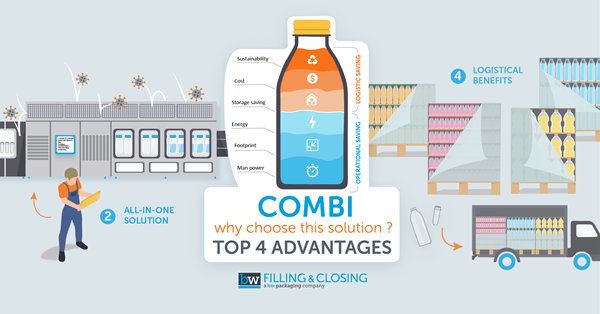 Automatic PET Bottle Blowing, Filling, and Capping Machines
December 8, 2021
<p style="text-align: left"><strong>When purchasing bottling equipment, today’s dairy and beverage manufacturers need solutions that are flexible, simple to use, and cost and space efficient. These characteristics are especially important for low-volume production scenarios (i.e., 8,000 bottles-per-hour of fewer) when labor, floorspace and capital equipment budgets tend to be in short supply. For this reason, BW Filling & Closing has developed the COMBI, an all-in-one bottling solution for blowing, filling, and capping PET bottles. </strong></p><p style="text-align: left"><strong>In this post, you will learn some of the top advantages that make DAIRY PACK COMBI an ideal solution for low-volume dairy and beverage products in bottles.<br></strong></p><a target="_blank" href="/docs/default-source/infographics/infographie-combi.pdf?sfvrsn=d375485f_2"><img src="/images/default-source/blog/infographie-combic0fbb711-8f31-4745-b74a-cc436b0f9edb.jpg?sfvrsn=cb75485f_0" width="654" height="654" sf-size="100" alt=""></a><p><br></p><h2 style="text-align: left">Top 4 Advantages of DAIRY PACK’s COMBI 2.0 Solution</h2><ol><li style="text-align: left"><h3 style="text-align: left"><strong>SAVING SPACE WITH PREFORMS</strong></h3><p>Storing empty bottles is a logistical challenge for dairy and beverage processors because they eat up space and drive higher storage expenses as a result. Preforms, on the other hand, use 10x less space than formed bottles. In fact, a single pallet can hold up to 10,000 preforms. For this reason, we’ve designed the DAIRY PACK COMBI 2.0 solution to blow preforms, allowing you to save on space and expenses before you even start the production process.</p></li><li style="text-align: left"><h3 style="text-align: left"><strong>ALL-IN-ONE SOLUTION REDUCES TROUBLESHOOTING</strong></h3><p>Manufacturers who purchase separate machines for blowing, filling, and capping bottles tend to spend more time troubleshooting because different OEMs use different interfaces. However, the COMBI 2.0 complete line solution can be operated by a single person via BWFC’s Efidrive HMI. This ultra clean filling solution has been tested and refined to guarantee smoother operation.</p></li><li style="text-align: left"><h3><strong style="background-color: rgba(0, 0, 0, 0); color: inherit; text-transform: inherit; word-spacing: normal; caret-color: auto; white-space: inherit; font-size: var(--font-size-h3)">FLEXIBILITY ENSURES VERSATILE PRODUCTION</strong></h3><p><span style="background-color: rgba(0, 0, 0, 0); color: inherit; font-family: inherit; font-size: inherit; text-align: inherit; text-transform: inherit; word-spacing: normal; caret-color: auto; white-space: inherit">The COMBI 2.0 solution can accommodate a wide range of formats from 150ml to 1.5l bottles with 2 necks options. This complete line solution also includes quick and easy changeovers, allowing dairy and beverage processors to bottle a wide range of products on the same machine including dairy products, fruit juices, soups, smoothies, nutritional drinks, coffees, teas, fermented products, and many more.</span></p></li><li style="text-align: left"><p><span style="background-color: rgba(0, 0, 0, 0); color: inherit; font-family: inherit; font-size: inherit; text-align: inherit; text-transform: inherit; word-spacing: normal; caret-color: auto; white-space: inherit"></span><strong style="background-color: rgba(0, 0, 0, 0); color: inherit; font-size: var(--font-size-h3); text-align: inherit; text-transform: inherit; word-spacing: normal; caret-color: auto; white-space: inherit">LOGISTICAL BENEFITS</strong></p><span style="background-color: rgba(0, 0, 0, 0); color: inherit; font-family: inherit; text-transform: inherit; word-spacing: normal; caret-color: auto; white-space: inherit; font-size: inherit">In addition to reduced troubleshooting, the all-in-one solution is compact and occupies a smaller footprint in your plant. Additionally, while preforms do not occupy a large amount of space in your facility, they allow dairy and beverage processors to have impressive outputs. For every preform truckload that comes in, up to eight filled bottle truckload go out.</span> </li></ol><p style="text-align: left">Interested in learning more about BWFC’s COMBI 2.0? <a data-sf-ec-immutable="" sfref="[f669d9a7-009d-4d83-ddaa-000000000002]91c52a3f-1853-49f3-b5d0-6b67b99f751d">Contact us</a>.</p>
 BW Packaging Supports Tillamook® Creamery Collection Launch with Inline Cup Filling Machines
April 22, 2021
<p><a href="http://www.ssica.com/" target="_blank" data-sf-ec-immutable="">Super Store Industries</a>, a co-packer located in Northern California, was looking for a 2-flavor cup-filling solution for its client, Tillamook County Creamery Association (TCCA), which was developing a unique <a href="https://www.tillamook.com/news/introducing-tillamook-creamery-collection-yogurt" target="_blank" data-sf-ec-immutable="" data-sf-marked="">Tillamook® Creamery Collection product</a> that features two blended yogurts in every cup so people can create their perfect bite. The product allows for toppings like granola and fruit to be added directly to the unique reusable cup, which also has a snap-on lid. Having learned about BW Packaging's involvement in a project with another American yogurt processor, Super Store turned to a BW Packaging solution for filling pots with an <a href="/products/rigid-filling/fill-seal/dairy-pack-rm90c">RM90C machine </a>fitted with a modular duo-fill nozzle filler. </p><p>Throughout the course of the project, we were always available to support both SSI and TCCA’s teams in the design, development, testing, and installation of the filler. With very accelerated timelines and unforeseen difficulties, this project was challenging but rewarding. In fact, the spread of COVID-19 and associated travel restrictions and safety measures during the product testing phase did not prevent us from meeting the timeline or the high-quality filling requirements. </p><p>Despite these obstacles, we met our commitments and secured the client’s complete satisfaction. We've received messages of thanks from several members of the TCCA team, including Senior Product Development Scientist Anna Ku:</p><p>“I would like to thank the entire BWFC team for their attentiveness and dedication to ensuring the Tillamook® Creamery Collection launch went smoothly,” said Ku. “The product came out beautifully!”</p><p>The successful launch of the Tillamook® Creamery Collection cup marks a second major accomplishment in the American premium yogurt market, further solidifying BW Packaging's reputation for delivering quality packaging equipment around the world. </p><div><div><div id="_com_1"></div></div></div>
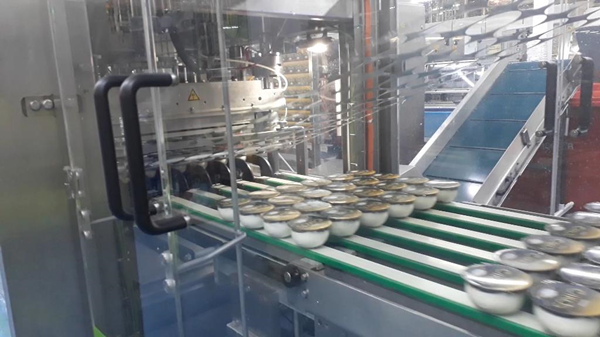 BW Filling & Closing announces the arrival of PET multipacks
June 30, 2020
<p><strong><em>With its reliable PET pre-cutting solution, BW Filling & Closing (BWFC) </em></strong><strong><em>offers an alternative to PS for all existing FFS machines as well as for future models.</em></strong></p><p>BWFC is already one of the few OEMs able to master PET cutting on FFS machines and offer separable multipacks of 2 units with a system where the attachment line is cut except in two points. This solution was hindering the change from PS to PET to premium segments and consumers would have to inconveniently twist the pack rather than bend it.</p><p>With its new pre-cutting tools, BWFC now offers agrifood manufacturers the possibility to use PET for their mid-range products as well, without changing consumer habits. The pack bends and snaps like a PS pack should.</p><p> </p><p><strong>SNAPCUT, the tailor-made PET pre-cut solution from </strong><strong>BWFC </strong></p><p>BWFC relies on an innovative tool and an in-depth qualification process to offer ultimate quality pre-cuts on all kinds of PET (standard, multilayer, foamed, recycled).</p><p>Each PET film is analyzed in the laboratory, to anticipate its behavior and adjust the tool as well as the pre-cutting parameters.</p><p>The resulting pre-cut quality is validated according to factual and repeatable criteria, on a testing equipment designed by BWFC which measures the angle and mechanical load needed to break the pack and separate cups. </p><p>With SNAPCUT, agrifood manufacturers are sure to get a functional tool, tailored to their particular PET, machine and process.</p><p>BWFC is also measuring -- under real conditions -- the wear of 20 combinations of materials, treatments and finishings in order to be able to guarantee up to 10 million pre-cutting cycles without resharpening, optimizing operational costs for its customers.</p><p> </p><p>SNAPCUT is the result of intense R&D work and significant investment, which allowed BWFC to gather extensive knowledge on the mechanical behavior of PET. </p><p>This offer is the final step of a project started in 2018 and aiming at developing for agrifood manufacturers a complete, fully optimized and reversible upgrade solution for their FFS lines.</p>PET thus joins PLA (polylactic acid) in the portfolio of alternative solutions to PS for plastic cups end-of-life management.
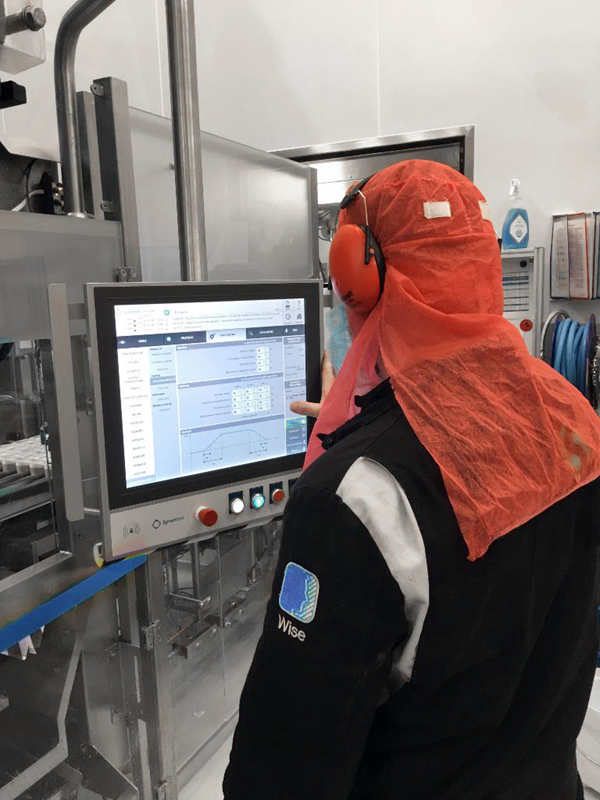 Efidrive: From Line Operation to Connected Factory
June 30, 2020
<p><em>BW Packaging is the first packaging machine manufacturer to enhance its systems with the functionalities of a Manufacturing Executing System (MES). The Efidrive line management module is a straightforward solution to connecting the modern factory. This packaging line operation software has been supplemented with an optional module, which enables the manufacturer to connect their lines to the company’s ERP as well as to various third-party devices.</em></p><h2>MES made easy</h2><p>BW Packaging's line management module acts as an interface for data coming from the shopfloor and from the ERP, as well as a production coordinator. It provides real-time information on the planning of production orders, raw material supply, and completion of all stages of the process. It also collects traceability and performance data automatically.</p><p>Developed by a packaging line specialist for packaging lines and integrated in the Efidrive software, this line management module can be implemented much more quickly (and thus at a lower cost) than a third-party MES.</p><h2>Adopted by the Schreiber Foods factory located in Cléry le Petit (France)</h2><p><a href="https://www.schreiberfoods.com/locations/clery-le-petit/" target="_blank" data-sf-ec-immutable="" data-sf-marked="">Schreiber Foods</a> is using the Efidrive software and the new line management module to operate 4 packaging lines (1 FS line and 3 FFS lines) simultaneously. Together, they produce 80 SKUs of yogurts, cottage cheese, and milk desserts for Système U.</p><p>The lines are connected with fruit preparation dosing units, labellers, laser printers, and AGVs. Recipe changeover is fully optimized, significantly reducing the possibility of human error.</p><p>Production machinery is linked to Schreiber Foods’ ERP, which in turn is connected with the ERP of the customer. The supply needs of Système U are automatically integrated into the production workflow, production is adjusted to demand in real time, and the logistic platforms can check the status of their orders at any time.</p><h2>About the Efidrive</h2><p>The packaging line operation software Efidrive was created in 2010 by the Industrial IT department of BW Packaging. It was designed with interoperability (using PackML and OPC standards) and communication in mind, anticipating the revolution of connected objects in the industrial environment.</p><p>Running on over 200 machines around the world, Efidrive is highly appreciated for its reliability, secure architecture, and ergonomic interface, as well as for the production analysis functionalities it offers to increase the performance of packaging lines.<strong></strong></p>
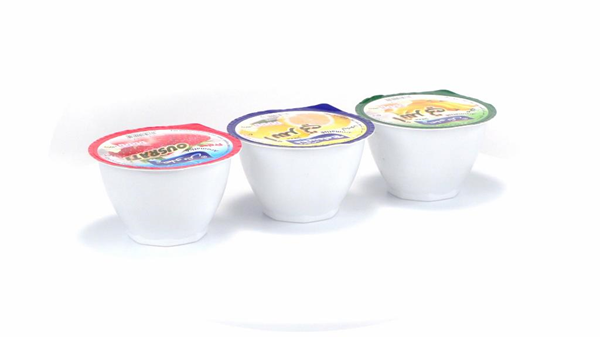 BWFC helps Algerian customer stand out with large-volume cups
April 28, 2020
<p>At the end of 2017, BW Filling & Closing (BWFC) upgrade team made a potentially game-changing observation while in an upgrade visit to Betouche, a dairy customer in Algeria. </p><p>In analizing the Algerian market, BWFC experts noticed that the offerings of dairy products in large-volume cups is weak., With most of the competition, their packaging is unattractive, because it consists only of preformed cups that are filled manually by local workers.</p><p>BETOUCHE is a dynamic outsider in the very competitive Algerian market for dairy products. They decide to follow BWFC’s advice and even ask them to develop the marketing design of the cup. </p><p>At the time, Betouche had an ARCIL A6 - 2x6 - 63x63 machine that had been sitting unused for three years in their yogurt packaging plant. BWFC experts created a cup shape completely new to this market, compatible with the industrial productivity of the ARCIL thermoformer, and at the same time studied ways to modify the machine already on site.</p><p>The tooling designed for this new cup format was installed at the customer’s site by BWFC technicians: a heating box for the plastic strip, a trimming tool, a mold, a lid sealing tool and a nozzle plate.</p><p>Mission accomplished! The machine, which formerly produced 75 g and 100 g cups, now makes 400 g thermoformed cups on a platform measuring 1x3 - 126x126. It runs at a rate of 28 strokes per minute and dispenses plain and flavored parboiled yogurt with no wave effect. </p><p>The customer BETOUCHE is very satisfied — they have a new production line for 15–20% of the price of a new FFS machine!</p><p>The cup is attractive and stands out on the shelf from the competition because of the quality packaging. And after just two weeks on the store shelves, this new yogurt’s sales success is the talk of the Algerian dairy markets!</p>
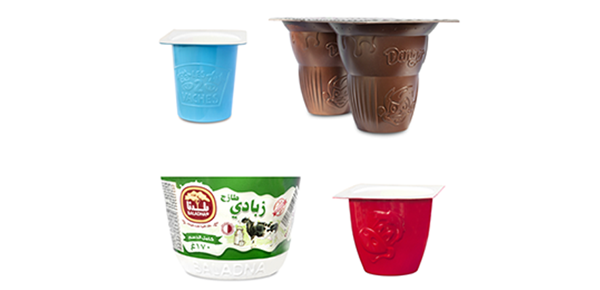 Customize your Form-Fill-Seal Cups with Engraving!
April 28, 2020
<p>From a marketing point of view, the decorative strip applied around a yogurt or dessert cup during thermoforming — which also makes it possible to reduce the plastic thickness — is an attractive means of communication for a manufacturer. </p><p>But another prominent marketing trend is on the rise, engraving. More and more, brands are deciding to show an engraving on the wall of the cup itself, which may or may not be labeled.</p><p>At BW Packaging, we’ve been making engraved cups with etchings in a wide variety of images and lettering for a long time. But the recent rise of engraving in packaging is a response to customers’ quest for customization. “The trend has been growing ever since we engraved the bottom of the new Danone Kiss cup,” explains Fabien Jego, an expert engraving designer for BW Packaging. “Because of this success, customers are coming from all over, in ever-increasing numbers, asking us to engrave their brand name or logo, or even a motif that differentiates their cup.” </p><h2>What is the mark of good engraving?</h2><p>Usually, the customer will propose a motif or logo that the designer in the studio studies and redesigns. We are experts at adapting logos, as well as other images or characters. The exact design rules must be respected: the width and thickness of the characters or motif calculated in proportion to the thickness of the plastic film, calculation of the space necessary between the various elements to be engraved, so that the embossed relief is properly distinguished in thermoforming. And the plastic film must be able to go into and come out of the engraving process. This group of techniques is part of our thermoforming expertise.</p><p>Production of the mold is the next essential step. In the late 1990s, the design studios and digital tool and die machines at our mold-making partners gained the ability to execute digital engineering designs meeting our requirements. When Danone’s Kiss cup launched in 2011, ARCIL (a BW Packaging brand) teams created beautiful engravings of the Danone logo at the base of the new yogurt cup, thanks to the competitive costs of complex mold making. Creation of air evacuation holes in the mold allows the plastic to adhere perfectly to the intaglio engraving on the walls of the mold during thermoforming.</p><p>If you want your product to stand out on the shelf, engraving is one way to differentiate yourself from the competition that is more and more in demand. If you’re interested in exploring this new trend in packaging design, BW Packaging's thermoforming experience, expertise, and creativity give us the edge over other packaging equipment companies. </p>
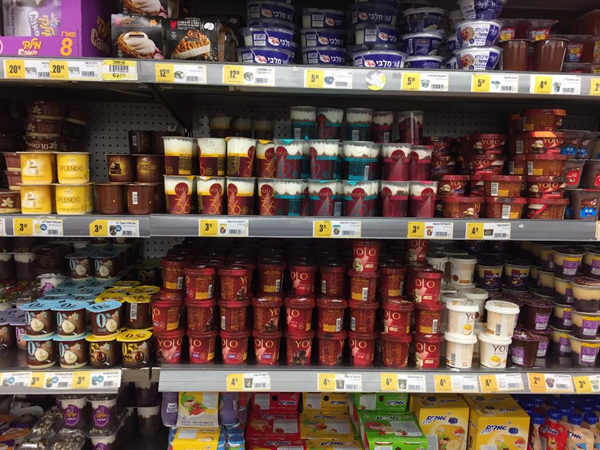 TNUVA Selects a Flexible BW Packaging Filler for Its Yolo Product Line
February 3, 2020
<p>To support the successful launch of its new Yolo cream dessert — producing up to one million cups per week — <a href="https://tnuvausa.com/" target="_blank" data-sf-ec-immutable="">TNUVA</a> partnered with BW Packaging and installed a <a href="/products/rigid-filling/fill-seal/dairy-pack-rm12c">Dairy Pack RM12C filling machine</a>. The RM12C offers outstanding flexibility, accommodating a wide range of products as well as various cup formats and materials.</p><p>Operating under aseptic conditions, the machine consistently fills up to 24,000 cups per hour. The Yolo cream dessert is cold‑filled, with the option to apply a generous layer of cream on top for enhanced product appeal.</p><p>The RM12C accepts two cup diameters (65 mm and 87 mm) and two cup heights. The 65 mm format is available in cardboard with a cardboard lid, as well as in PP cups that can be sealed with either aluminum or PET lids.</p><p>Thanks to the high hygiene standards of the DAIRY PACK filling technology, TNUVA achieves a 60‑day shelf life, fully meeting customer requirements.</p>
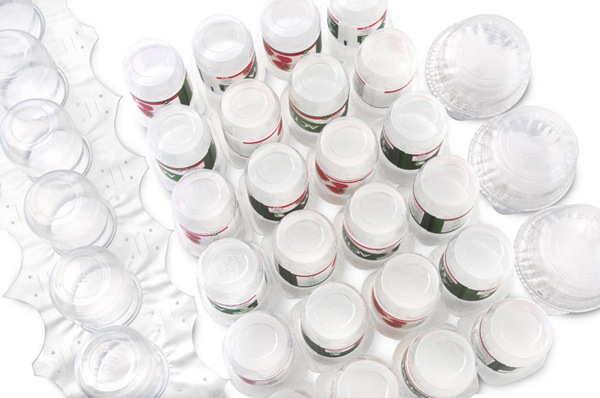 A Material Alternative on ARCIL Form-Fill-Seal machines
September 9, 2019
<p>Consumers’ expectations change, and manufacturers are confronted with growing demand for recyclability and reduced packaging. This movement illustrates a new consumer tendency toward nutrition that is healthier, more environmentally friendly and more sustainable. Regulatory trends in the EU and in specific countries strengthen packaging recyclability measures and require the agrofood industry to adapt in coming years.</p><p>To respond to these new requirements — specifically in the dairy market — ARCIL teams have developed solutions for using materials perfectly adaptable to our FFS technology and that respond to the packaging quality standards expected by manufacturers. Several options have been identified for equipping new production lines and adapting existing ones. Currently, most lines are equipped to work with polystyrene (PS), which is considered easy to thermoform but is currently difficult to recycle, since the channel currently isn’t very organized.</p><p>One of the paths explored by BW Filling & Closing ( BWFC) R&D teams involves PLA (polylactic acid), already used in the United States and Spain. It has several major advantages: It is biosourced, which means it is 100% of natural origin, often made with cornstarch fibers. However, it is an abrasive material, and difficult to cut, especially when it is thin. </p><p>BWFC R&D teams did tests on all the stations so that the machine could be adapted to the constraints associated with PLA material. The results have helped our customers decide in favor of a material that meets packaging quality standards while perfectly combining with FFS technology. </p><p>Another material considered: PET (polyethylene terephthalate), which also has notable advantages. PET already has an established recycling channel for many types of packaging — especially bottles — and its price per ton is much lower than that of PLA. </p><p>The BWFC teams have developed technical solutions for high-quality cutting and precutting of PET. Using transparent PET allows consumers to see the product, which makes it more attractive on the shelf. In the quest for product superiority, this cup can receive a PET lid and sleeve, making the packaging completely recyclable. To achieve this result, BWFC offers manufacturers its expertise in complete line integration. Thus ARCIL has been chosen for a project to fill PET cups, along with placement of a PET lid and integration of a PET sleeve label using its EL SLEEVE machine.</p><p>Several ARCIL lines operate with PET material, and the results speak for themselves! PET cups’ transparency and recyclability match the needs of manufacturers looking for an alternative to polystyrene cups with the demands of environmentally conscious consumers. </p>
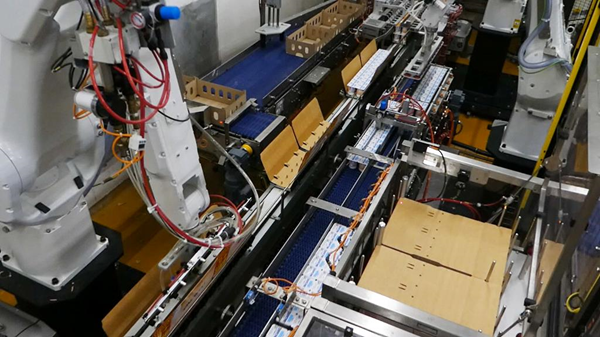 Flexibility, Agility, Ergonomics and Integration: BW Filling & Closing shows it's leadership in Complete Turnkey Packaging Lines
January 14, 2019
<p>Flexibility, agility, ergonomics and integration: BW Filling & Closing (BWFC) shows its leadership in complete turnkey packaging lines. Our solutions are designed to meet the growing demand for multi-functional production lines in the food and beverage industry.</p><p>At Sapy, our line produces crème desserts, flan, petite suisse, stirred fruits, flavored parboiled yogurt — each associated with its own cup format. The packaging machine offers two different types of in-machine labeling and, for some applications, can even label cups as they exit. Thanks to a very innovative and compact end-of-line wrapping/packaging module, a wide variety of packaging formats (x4, x6, x8, x12, x16 and x24) can be handled through to robotic palletization and pallet wrapping.</p><p>This line — completely integrated and automated by BWFC — offers superior versatility in 50 different product formats.</p><p>“Our customer wanted to buy this production line to replace three machines, with the idea of grouping several product formats while increasing productivity,” says Olivier Coste, Key Account Manager at BWFC. “Today, Sapy is very satisfied with our overall solution, which goes from thermoforming the cups all the way to palletizing them before they’re stored in the fridge or heating chamber.”</p><p>This line is equipped with a Form-Fill-Seal packaging machine with four fillers and a robotic line from FANUC (a longstanding partner of the customer), offers both great agility and reliability in production. In addition to offering the capability to run production in short series with various mixed-product groupings (such as multi-flavor packs), it also adds additional efficiency by allowing use of the end-of-line during the packaging machine’s cleaning in place process.</p><p>“This whole line was conceived to boost productivity. The quick change of decoration level, an automatic emptying process of less than five minutes, two magazines of wrapping boxes that allow the operator to prepare production in concealed time. The line’s communication allows monitoring cup consistency, the recipe, the packaging method, and wrapping in relation to the manufacturing sequence.”</p><p>This performance is a result of BWFC’s integrated project management, which allowed the customer to receive this line completely at the BWFC site in mainland France. Jérémy Holin, industrial director at Sapy, remarks on the accomplishment: “The line conceived and implemented by ARCIL has allowed us to overcome two major challenges: One is achieving excellence in food safety while integrating all of our franchiser’s requirements, and the other is enhancing our industrial efficiency by improving productivity (labor and packaging losses). The support from BWFC’s technical team allowed us to quickly identify points for improvement during startup and provide solutions that would ensure sustainable performance.”</p><p> </p><p><span style="text-decoration: underline">Technical description:</span></p><p>A complete multi-functional line of 22,000 cups an hour, operating at a rate of 31 cycles a minute. The line is equipped with a thermoforming machine allowing 5 cup shapes, 2 levels of in-machine labeling, equipped with 4 volumetric fillers, a fruit station, an out-of-machine labeler, an X-ray detector, a box shaper, a compact wrapping machine/packer, equipped with a package mixing station, palletization, and pallet wrapping.</p><div><div></div></div>